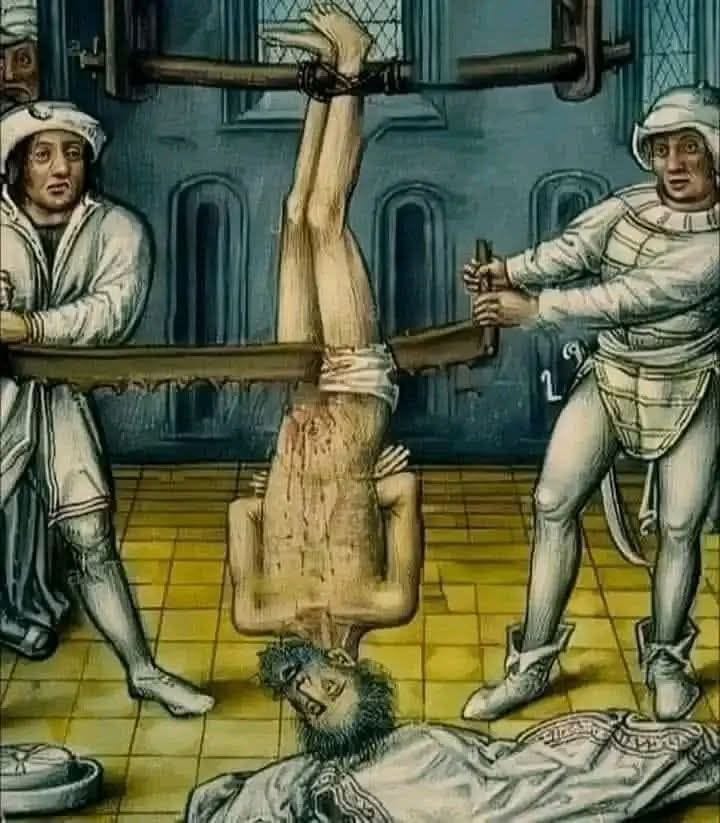
HOOK In the end times, what will define us isn't how we talk about our beliefs, but whether we live them beyond the edge of death. That's where faith meets its final test: the eschatological crossroads where conviction outlasts mortality.
CONTEXT As the world hurtles towards what some see as biblical warnings and prophetic fulfillments, understanding the power of unshakable belief becomes crucial. We're not just talking about theological debates or online arguments; we're exploring a faith so real that it transcends the fear of death itself. Whether you believe in the rapture timing or the millennial reign, the question remains: what would you die for?
MAIN ANALYSIS
**The Zealot's Legacy**
Simon the Zealot's brutal end wasn't just a historical tragedy; it was an eschatological declaration of faith. His death echoed the trials and tribulations that many believe will precede the second coming. The early apostles faced similar fates—boiled in oil, flayed alive, crucified upside down—and their martyrdom isn't merely a testament to religious fervor but to a reality they encountered so profoundly that denying it was impossible.
**Power and Truth**
The article from The Wise Wolf highlights something profound: real power protects itself violently. In eschatological terms, this aligns with the biblical warning of a world where truth is suppressed and evil reigns. For those who stand against corruption and injustice, understanding what it means to have belief stronger than fear becomes critical.
**End Times Faith**
As we approach what some interpret as the day of the Lord, the question becomes more urgent: What do you believe so deeply that you would choose torture over betraying it? This isn't just about physical martyrdom but about a spiritual resilience that outlasts life itself. It's about facing the judgment seat with conviction unshaken.
**Historical Echoes**
The historical context of these events adds layers to our understanding of eschatology. The persecution of early Christians mirrors the tribulations predicted in biblical prophecy. Their unwavering faith in the face of death offers a blueprint for those who seek to live authentically in a world that often punishes truth-tellers.
**Living Beyond Death**
The article challenges us to consider what it means to have a belief so real that we would choose life over its betrayal. This isn't about religious fanaticism but about encountering truth so deeply that denying it becomes impossible, even when denial means living. In eschatological terms, this aligns with the concept of prophecy fulfilled—where faith becomes stronger than the fear of death.
FAQ SECTION
Q: What does dying for one's beliefs mean biblically? A: Biblically, dying for one's beliefs signifies an unbreakable commitment to truth encountered so profoundly that life itself pales in comparison. It reflects the eschatological trials and tribulations predicted before the second coming.
Q: Is martyrdom a sign of the end times? A: Yes, many interpret persecution and martyrdom as signs of the end times, aligning with biblical warnings about increased hostility towards truth-tellers. These events are often seen as part of the day of the Lord's unfolding prophecy.
"The truth doesn't hide. It waits for those brave enough to look."
The Wise Wolf