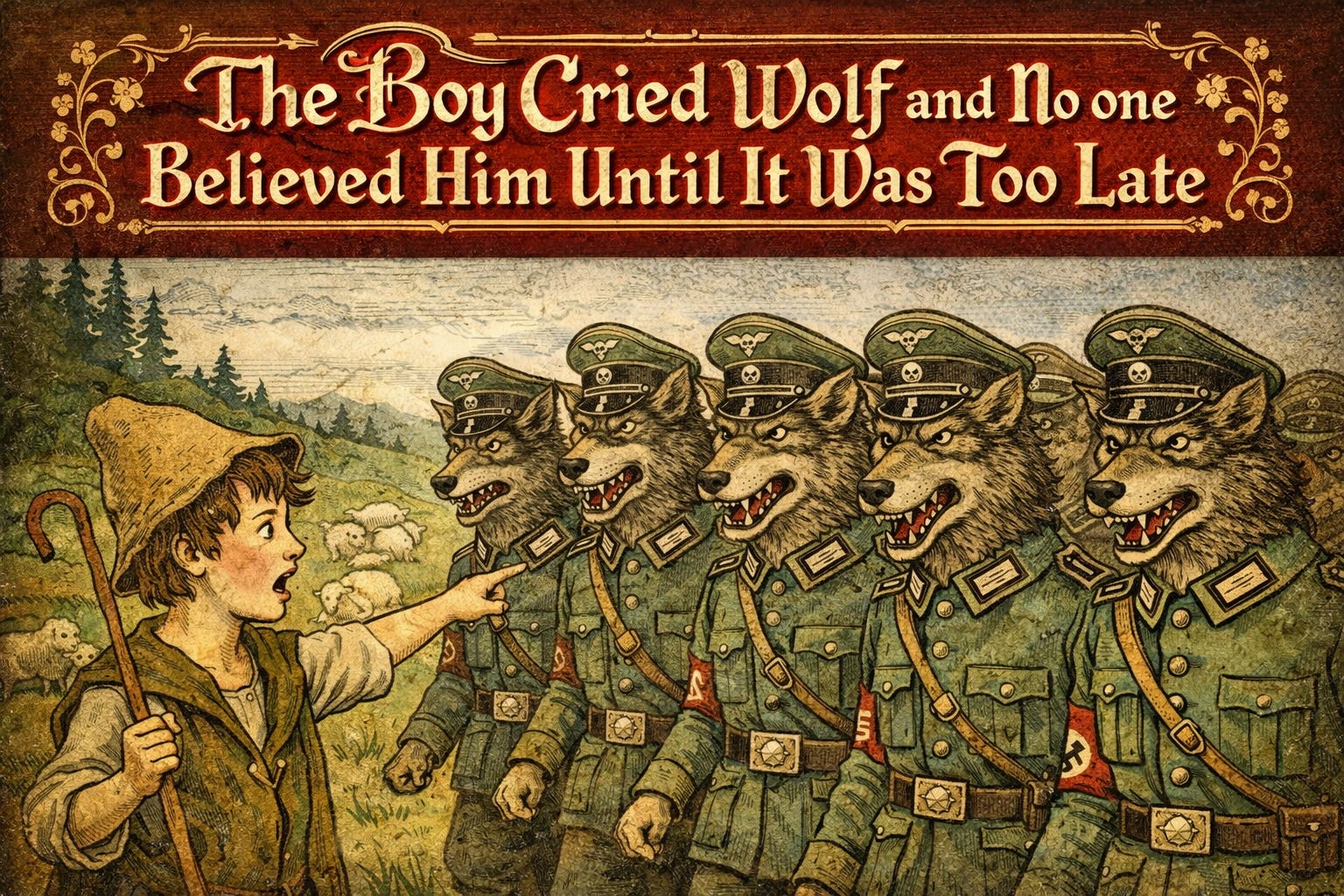
Imagine a world where the cries for help are met with deaf ears, where the pleas for attention are dismissed as mere childish antics. This is the reality faced by many individuals, both in the realm of personal relationships and the broader sphere of societal dynamics. The parable of the boy who cried wolf serves as a poignant reminder that the consequences of disbelief can be far-reaching, transcending the boundaries of a single narrative.
Uncovering the Layers of Distrust
In the classic tale, the shepherd boy's repeated cries of "Wolf! Wolf!" eventually lead the villagers to dismiss his warnings, even when a real threat emerges. This pattern of deception and disbelief highlights the fragile nature of trust and the challenges we face in discerning truth from fiction.
At the individual level, this story resonates with those who have experienced the consequences of broken trust. When we repeatedly face situations where our concerns are brushed aside or our genuine needs are overlooked, we begin to question the sincerity of those around us. This erosion of trust can have a profound impact on our willingness to seek help or voice our concerns, even when the danger is genuine.
Extending the Metaphor to the Broader Landscape
But the implications of this parable extend far beyond the personal realm. In the context of societal dynamics, the boy's cries can be seen as a metaphor for the warnings and predictions made by experts, economists, and policymakers. When these voices are dismissed or discredited, the consequences can be far-reaching, affecting the collective well-being of an entire community or even a nation.
The Economic Collapse Conundrum
One particularly poignant application of this metaphor can be found in the realm of economic forecasting. Time and again, economists have sounded the alarm about impending economic crises, only to be met with skepticism or outright disbelief. The 2008 financial crisis is a prime example, where warnings of a looming housing bubble and subprime mortgage crisis were largely ignored or dismissed by those in power.
Just as the villagers in the parable failed to heed the boy's warnings, many decision-makers and the public at large were slow to recognize the severity of the situation. The result was a devastating economic collapse that rippled through global markets, leaving millions of people grappling with the fallout.
Fostering a Culture of Discernment
The lesson we must learn from this cautionary tale is the importance of cultivating a culture of discernment and open-mindedness. While it's true that we must be wary of false alarms and unsubstantiated claims, we must also be willing to listen to those who sound the alarm, even if their message challenges our preconceptions or goes against the prevailing narrative.
By embracing a more nuanced approach to evaluating information and perspectives, we can better navigate the complexities of our world. This means scrutinizing the evidence, considering multiple viewpoints, and being willing to adjust our beliefs and actions as new information emerges.
Resilience in the Face of Adversity
Ultimately, the parable of the boy who cried wolf serves as a poignant reminder that the consequences of disbelief can be devastating. But it also suggests a path forward – one where we learn to balance our skepticism with a willingness to listen, where we cultivate a deeper understanding of the challenges we face, and where we build the resilience to weather the storms that inevitably arise.
In doing so, we can create a world where the cries for help are heard, where the warnings of danger are heeded, and where we emerge stronger and more prepared to face the uncertainties that lie ahead.
"The truth doesn't hide. It waits for those brave enough to look."
The Wise Wolf