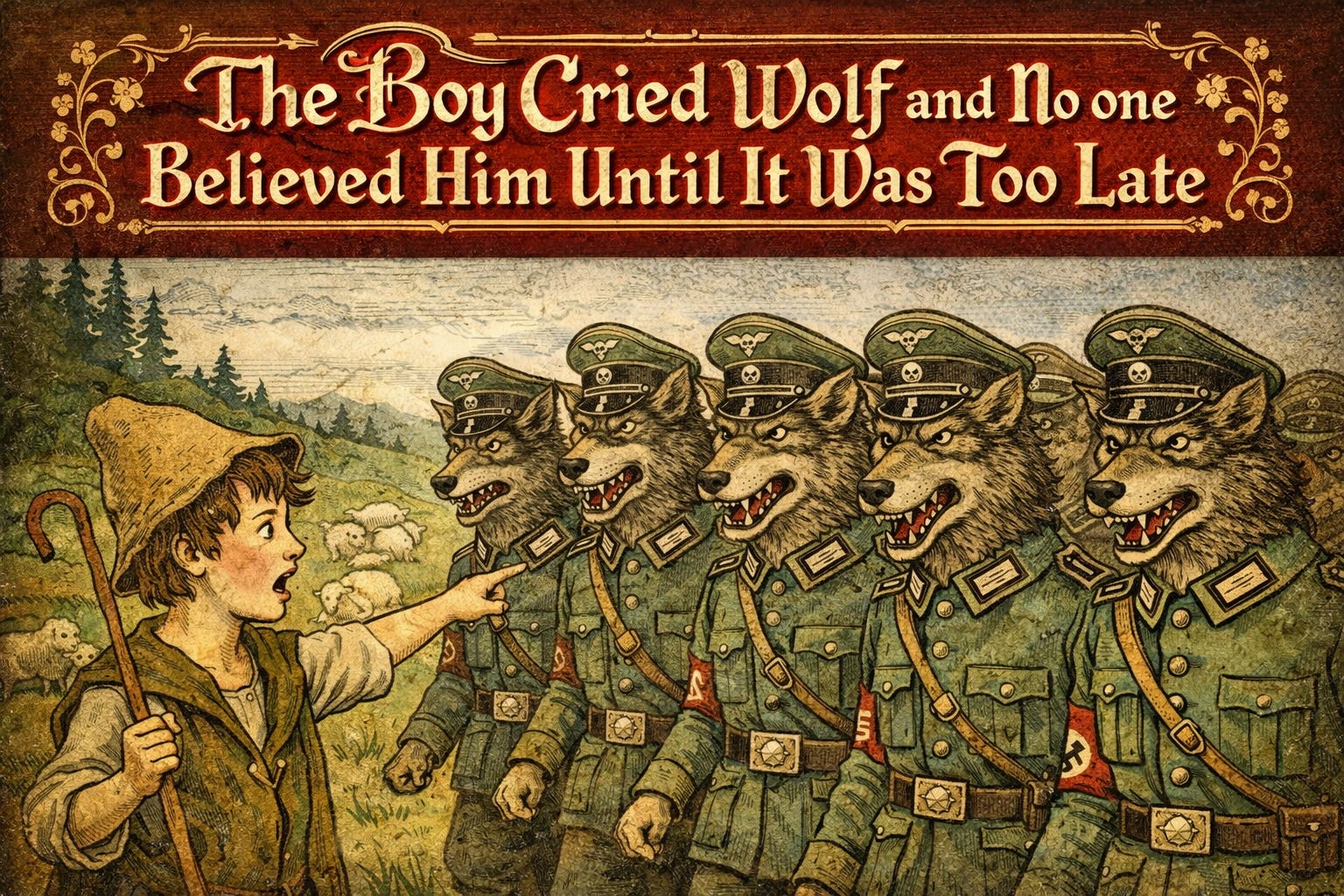
The tale of the boy who cried wolf has long been a cautionary fable, warning us of the consequences of dishonesty and the erosion of trust. But as we look around at the complex, interconnected world we inhabit, the lessons of this classic story take on new and profound significance.
## The Lure of Short-term Gain In today's fast-paced, attention-driven world, the temptation to exaggerate, embellish, or outright fabricate information can be overwhelming. Whether it's a politician seeking to rally supporters, a business leader trying to boost stock prices, or an individual seeking likes and shares on social media, the siren song of immediate gratification often drowns out the long-term consequences of such deception.
Like the shepherd boy who found amusement in fooling his fellow villagers, those who succumb to this temptation may initially revel in the attention and excitement they generate. But as the fable warns, when a true crisis arises, the trust that has been squandered will prove to be a far greater liability than any temporary thrill.
## The Unraveling of the Social Fabric The boy's repeated false alarms not only betrayed the trust of the villagers but also threatened the very fabric of their community. When the real danger finally appeared, the villagers were left powerless to respond, their collective vigilance undermined by the boy's selfish actions.
In our modern, interconnected world, the stakes are even higher. As misinformation and conspiracy theories spread like wildfire across social media, the foundations of shared reality and common understanding are being eroded. This erosion of trust can have devastating consequences, from the undermining of democratic institutions to the unraveling of the social contract that holds our societies together.
Just as the villagers in the fable were left helpless when the wolf finally arrived, we too may find ourselves ill-equipped to confront the very real threats we face – be they economic crises, environmental disasters, or global pandemics – if we have become accustomed to dismissing warnings as mere cries of "wolf."
## Reclaiming the Power of Truth The tale of the boy who cried wolf serves as a sobering reminder that the truth, once compromised, is a fragile and difficult thing to restore. But it also points the way towards a more resilient and sustainable future.
By cultivating a culture of honesty, transparency, and accountability, we can rebuild the trust that is the foundation of strong communities and effective institutions. This means holding ourselves and our leaders accountable, questioning the motives and sources behind the information we consume, and being willing to confront hard truths, even when they are uncomfortable.
It also means recognizing that the pursuit of truth is not a solitary endeavor, but a collective responsibility. By working together, across divides and differences, we can create a world where the genuine cries for help are heard and heeded, and the false alarms are swiftly and decisively dismissed.
In the end, the lesson of the boy who cried wolf is not just about the consequences of dishonesty, but about the power of truth to safeguard our shared future. By reclaiming the authority of truth, we can ensure that when the real wolves of our time come prowling, we will be ready to meet them with the full force of a vigilant and united community.
"The truth doesn't hide. It waits for those brave enough to look."
The Wise Wolf