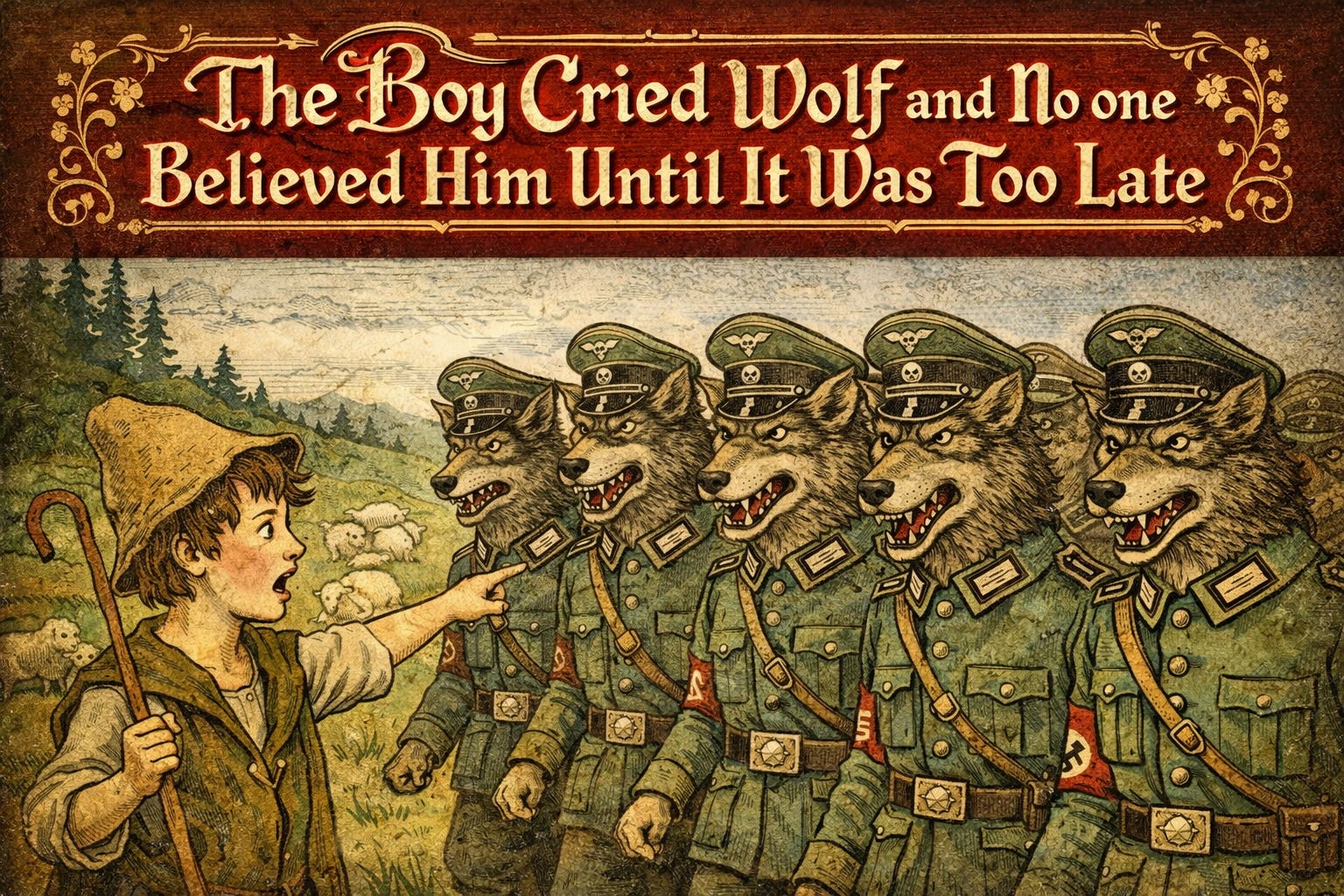
In a world where economic stability is as delicate as a house of cards, the parable of the boy who cried wolf has never been more relevant. Just as the villagers in the classic tale dismissed the boy's warnings, too many of us today are turning a blind eye to the looming economic threats that loom large on the horizon.
The signs are there, if we're willing to see them. The fluctuating stock market, the rising cost of living, the growing wealth divide – these are the proverbial "wolves" that are stalking our financial well-being, waiting to pounce the moment we let our guard down.
Yet, like the boy in the story, we find ourselves tempted to ignore these warning signs, convinced that the danger is not real or that it will somehow pass us by. After all, we've heard the cries of economic collapse before, only to see the system rebound and carry on. Why should this time be any different?
The answer, unfortunately, is that this time may be very different indeed. The convergence of global crises, from geopolitical tensions to supply chain disruptions, has created a perfect storm of economic vulnerability. And just like the villagers who failed to heed the boy's warnings, our collective complacency could prove to be our downfall.
In this article, we'll explore the alarming parallels between the parable of the boy who cried wolf and the current state of the global economy. We'll delve into the warning signs that we can no longer afford to ignore, and discuss the proactive steps we must take to safeguard our financial futures.
## The Cries of Economic Distress
Much like the boy in the parable, the signs of economic distress have been ringing out for years, often met with skepticism or outright dismissal. Whether it's the steady rise in inflation, the looming threat of a recession, or the persistent wealth inequality that continues to divide our society, the warning bells have been sounding loud and clear.
Yet, time and time again, we've seen these concerns brushed aside, with pundits and policymakers assuring us that the economy is strong, that the system is resilient, and that we have nothing to worry about. It's a familiar refrain, one that echoes the villagers' complacency in the face of the boy's cries.
But as the saying goes, "the wolf is at the door," and the consequences of our collective denial could be devastating. The economic shocks that have rocked the world in recent years – from the COVID-19 pandemic to the ongoing conflict in Ukraine – have exposed the fragility of our financial systems, and the need for urgent action to address the underlying vulnerabilities.
## The Consequences of Inaction
Just as the villagers in the parable paid the ultimate price for ignoring the boy's warnings, so too could we face catastrophic consequences if we continue to turn a blind eye to the economic threats that loom large.
The potential for a full-blown economic collapse is no longer a distant possibility, but a very real and tangible risk. The ripple effects of such a collapse would be far-reaching, impacting everything from our personal finances to the stability of our communities and the well-being of our families.
Imagine a scenario where the stock market plummets, sending shockwaves through the global economy. Suddenly, the retirement savings of millions are wiped out, and the value of our homes and investments plummets. Businesses shutter, jobs are lost, and the once-thriving local economies we've come to rely on crumble under the weight of the crisis.
In such a scenario, the consequences would be far-reaching and long-lasting. The social unrest, the mental health toll, and the erosion of trust in the system – these are the high prices we would pay for our collective failure to heed the warning signs.
## Taking Action: Preparing for the Economic Wolf
The time has come to stop dismissing the cries of economic distress and to start taking decisive action to protect ourselves and our communities. Just as the villagers in the parable should have heeded the boy's warnings, so too must we heed the warnings of the economic experts and policymakers who have been sounding the alarm.
This means taking proactive steps to shore up our personal finances, diversifying our investments, and building resilience into our local economies. It means demanding accountability from our leaders and holding them to account for their failure to address the systemic vulnerabilities that threaten our economic well-being.
Most importantly, it means cultivating a mindset of vigilance and preparedness – one that recognizes the very real possibility of economic collapse, and takes steps to mitigate the risks. Just as the boy in the parable should have been listened to, so too must we listen to the warnings that are being sounded all around us.
The economic wolf is at the door, and the consequences of ignoring its presence could be catastrophic. But by heeding the warning signs and taking decisive action, we can work to protect ourselves, our communities, and our financial futures – and ensure that the parable of the boy who cried wolf does not become a tragic reality for us all.
"The truth doesn't hide. It waits for those brave enough to look."
The Wise Wolf