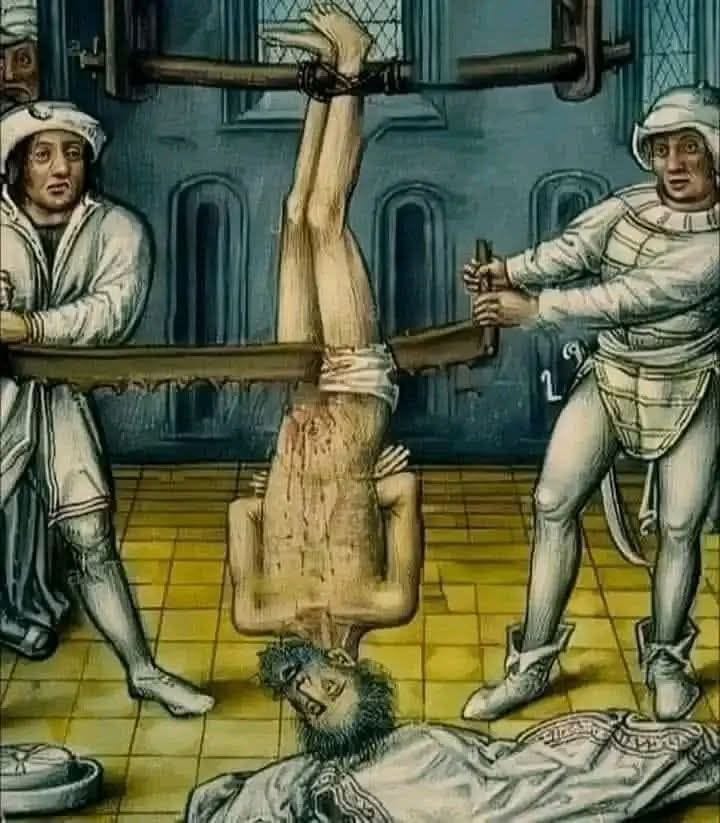
In a world where beliefs are often superficial and convictions waiver at the first sign of adversity, the story of those who have chosen to die for their principles stands as a poignant testament to the depth of human resolve. From Simon the Zealot, sawed in half for his unwavering faith, to the early Christian apostles who faced unspeakable tortures rather than renounce their beliefs, these individuals have left an indelible mark on our collective consciousness.
What drives a person to make the ultimate sacrifice in the name of their beliefs? Is it a level of conviction that most of us can scarcely fathom, or a willingness to confront the harsh realities of life and death that the majority of us spend our days avoiding? As we grapple with these questions, we are forced to confront the uncomfortable truth that the strength of our own beliefs may pale in comparison to those who have stared down the abyss and chosen to stand firm.
The Burden of Uncompromising Beliefs
For many, the notion of dying for one's beliefs is the stuff of legend, the domain of religious martyrs and ideological zealots. Yet, the reality is that such unwavering convictions are not the exclusive purview of the devout or the fanatical. Throughout history, individuals from all walks of life have faced the ultimate test of their principles, and in doing so, have left an indelible mark on the course of human events.
Consider the case of Dietrich Bonhoeffer, the German theologian and anti-Nazi dissident who was executed in a concentration camp for his role in a plot to assassinate Adolf Hitler. Bonhoeffer's decision to take up arms against the Nazi regime, despite the grave personal risk, was a reflection of his deeply held belief in the sanctity of human life and the moral imperative to resist tyranny. In the face of overwhelming odds and the threat of certain death, he remained steadfast in his convictions, unwilling to compromise his principles even in the face of the most daunting of circumstances.
The Weight of Unspoken Questions
For those of us who have not been confronted with such stark choices, the idea of dying for one's beliefs can seem almost incomprehensible. We may admire the courage and conviction of those who have made such sacrifices, but we often struggle to understand the depth of their commitment and the weight of the unspoken questions that must have weighed upon them in their final moments.
What thoughts raced through the minds of the early Christian apostles as they faced torture and execution for their faith? Did they wrestle with doubts and fears, or did their unwavering belief in the teachings of Christ provide them with a sense of unwavering resolve? And what of Simon the Zealot, sawed in half for his refusal to renounce his beliefs – did he find solace in the knowledge that he had remained true to his convictions, or was he consumed by the agony of his final moments?
The Enduring Legacy of Martyrdom
In a world that often values expediency and compromise over the steadfast pursuit of principles, the stories of those who have chosen martyrdom serve as a powerful reminder of the transformative power of uncompromising beliefs. Their legacy endures, not as a call to blind fanaticism, but as a testament to the extraordinary courage and conviction that can arise when the human spirit is tested to its limits.
As we grapple with the complex moral and ethical dilemmas that confront us in our own lives, we would do well to reflect on the example of those who have chosen to die for what they believe. For in their unwavering commitment to their principles, we may find the inspiration to confront our own fears and doubts, and to strive for a deeper and more meaningful engagement with the world around us.
"The truth doesn't hide. It waits for those brave enough to look."
The Wise Wolf