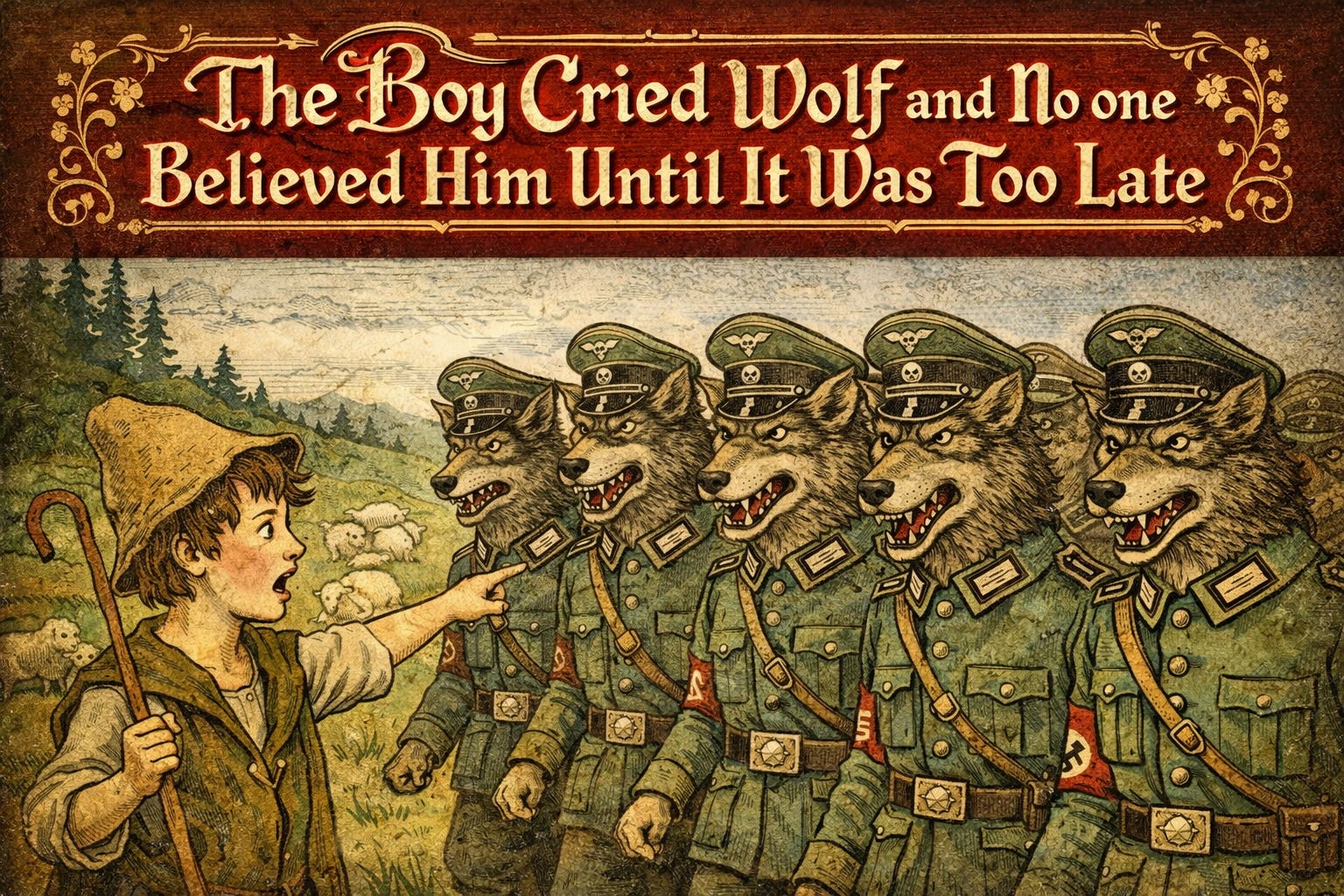
The classic fable of the boy who cried wolf has long served as a cautionary tale, warning us of the consequences of dishonesty and the dangers of disbelief. But what if the story holds a deeper, more nuanced lesson about the complexities of human nature and the perils of ignoring genuine cries for help?
## The Perils of Disbelief
In the traditional tale, the shepherd boy's repeated false alarms ultimately lead to the villagers' refusal to believe him when a real wolf appears, with disastrous consequences. This narrative neatly encapsulates the idea that lying erodes trust and credibility, leaving one vulnerable when the truth is finally spoken.
However, what if the boy's initial cries for help were genuine, but the villagers, jaded by his previous antics, simply chose to dismiss them? This subtle shift in perspective casts the story in a new light, one that highlights the dangers of a society all too willing to turn a blind eye to genuine warnings, even in the face of mounting evidence.
## The Cry of Economic Collapse
This dynamic plays out all too often in the realm of economics and finance, where the "cries" of impending crises are frequently met with skepticism and disbelief. Time and again, economic experts and analysts have sounded the alarm, only to be dismissed as alarmists or doomsayers by a public weary of hearing the same warnings.
Take, for example, the 2008 financial crisis. In the years leading up to the collapse, a handful of economists and financial analysts raised concerns about the unsustainable housing bubble and the risky practices of the banking industry. Yet, their warnings were largely ignored or ridiculed, with the prevailing attitude being that the good times would continue indefinitely.
When the crisis finally hit, the consequences were devastating – millions of people lost their homes, their jobs, and their life savings. The economic fallout rippled through communities, causing widespread suffering that could have been mitigated had the warnings been heeded.
## The Cry of Nazi Resurgence
The fable of the boy who cried wolf can also be seen as a cautionary tale about the dangers of ignoring the early signs of authoritarianism and fascism. In the years leading up to World War II, many individuals and organizations raised alarms about the growing power of the Nazi regime in Germany, only to be dismissed or silenced by those who preferred to maintain a veneer of normalcy.
The lessons of history remind us that the rise of tyranny often begins with small, incremental steps that are easily overlooked or minimized. As the German pastor Martin Niemöller famously observed, "First they came for the socialists, and I did not speak out—because I was not a socialist. Then they came for the trade unionists, and I did not speak out—because I was not a trade unionist. Then they came for the Jews, and I did not speak out—because I was not a Jew. Then they came for me—and there was no one left to speak for me."
## Heeding the Cries
The fable of the boy who cried wolf is a powerful metaphor for the consequences of disbelief, but it is also a reminder that we must be vigilant in distinguishing between false alarms and genuine cries for help. In an era of misinformation and polarization, it can be tempting to dismiss warnings as mere hyperbole or political grandstanding. However, to do so is to risk repeating the mistakes of the past, with devastating consequences for ourselves and future generations.
As we navigate the complexities of the modern world, it is critical that we learn to listen to the cries of those who sound the alarm, even if their voices have been silenced or discredited in the past. By remaining open-minded, seeking out reliable information, and acting with a sense of urgency when the stakes are high, we can work to mitigate the dangers that lurk beneath the surface, whether they be economic, social, or political.
The boy who cried wolf may have been a liar, but his final, desperate plea should not have fallen on deaf ears. By heeding the cries of those who seek to warn us, we can prevent the worst-case scenarios from unfolding and build a more just, equitable, and resilient world for all.
"The truth doesn't hide. It waits for those brave enough to look."
The Wise Wolf