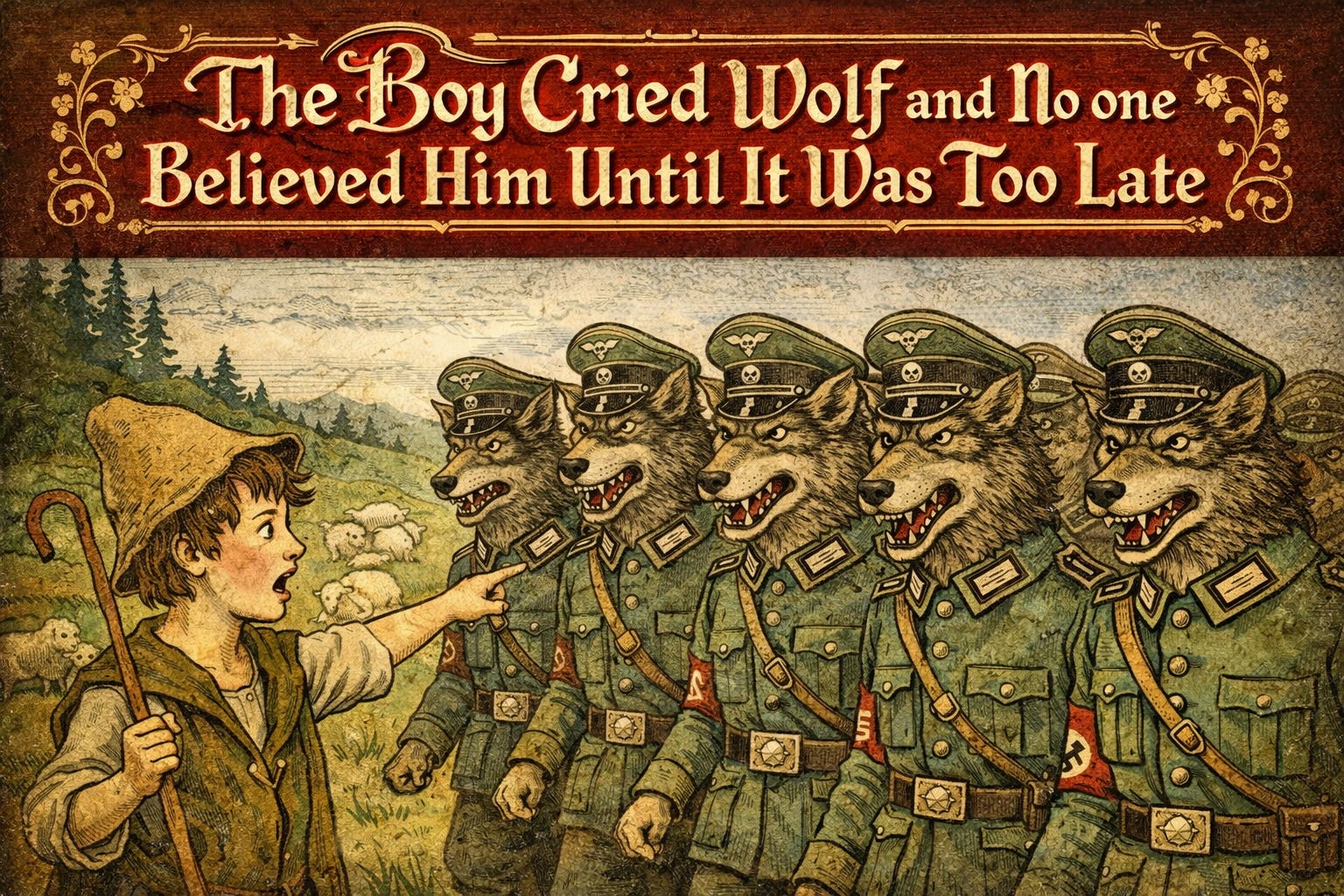
In a world where information and misinformation spread like wildfire, the classic tale of the boy who cried wolf takes on renewed significance. As we navigate the complex landscapes of economic, social, and political upheaval, the lessons of this timeless story offer valuable insights into the perils of false alarms and the importance of cultivating trust.
The Perils of Unheeded Warnings
Just as the shepherd boy in the fable learned the hard way, the consequences of repeatedly sounding false alarms can be dire. When a genuine crisis arises, the cries for help may fall on deaf ears, leaving the community vulnerable and unprepared. This dynamic is not limited to children's stories; it plays out time and again in the real world, with dire consequences.
In the realm of economics, for instance, the warning signs of impending collapse are often dismissed or ignored. Experts who sound the alarm about impending recessions or financial crises are sometimes met with skepticism or ridicule, particularly if their predictions fail to materialize immediately. The public, weary of constant warnings that fail to materialize, may become desensitized to the severity of the situation.
The Importance of Trust and Credibility
At the heart of the boy who cried wolf narrative lies the crucial issue of trust. Once the villagers had been duped too many times, they could no longer bring themselves to believe the boy's warnings, even when a real threat was present. This breakdown of trust had catastrophic consequences, both for the boy and the community.
In the face of crises, whether economic, political, or social, the ability to convey a message and garner a response hinges on the credibility of the messenger. Individuals and institutions that have a track record of reliable, well-informed communication are far more likely to be heeded when a genuine crisis arises. Conversely, those who have eroded trust through repeated false alarms or sensationalism will find their warnings falling on increasingly deaf ears.
The Need for Measured Responses
The tale of the boy who cried wolf also highlights the importance of measured responses to perceived threats. In the original story, the villagers' initial reactions were to rush to the boy's aid, only to be disappointed time and again. This pattern of overreaction and disillusionment ultimately led to their failure to respond when a real crisis was at hand.
In the modern world, where information and misinformation collide at a dizzying pace, it is crucial for individuals and communities to develop a more nuanced approach to crisis response. Knee-jerk reactions, fueled by sensationalism or political agendas, can often exacerbate the very problems they seek to address. Instead, a measured, evidence-based approach that takes into account the credibility of the sources and the severity of the situation is essential for effective crisis management.
Learning from the Past, Preparing for the Future
As we navigate the turbulent waters of the 21st century, the lessons of the boy who cried wolf remain as relevant as ever. By heeding the warnings of credible sources, cultivating trust, and responding to crises with measured, thoughtful actions, we can better prepare ourselves and our communities for the challenges that lie ahead.
In an era where the cries of "wolf" echo through social media, news cycles, and political discourse, it is up to us to discern the true threats from the false alarms. By doing so, we can ensure that when the genuine crises arise, our communities are ready to respond with the urgency and unity that the situation demands.
The boy who cried wolf may have been a fictional character, but his story holds a mirror to the very real dynamics that shape our world. By learning from the past and applying its lessons to the present, we can build a more resilient, informed, and responsive society - one that is better equipped to navigate the storms of the future.
"The truth doesn't hide. It waits for those brave enough to look."
The Wise Wolf