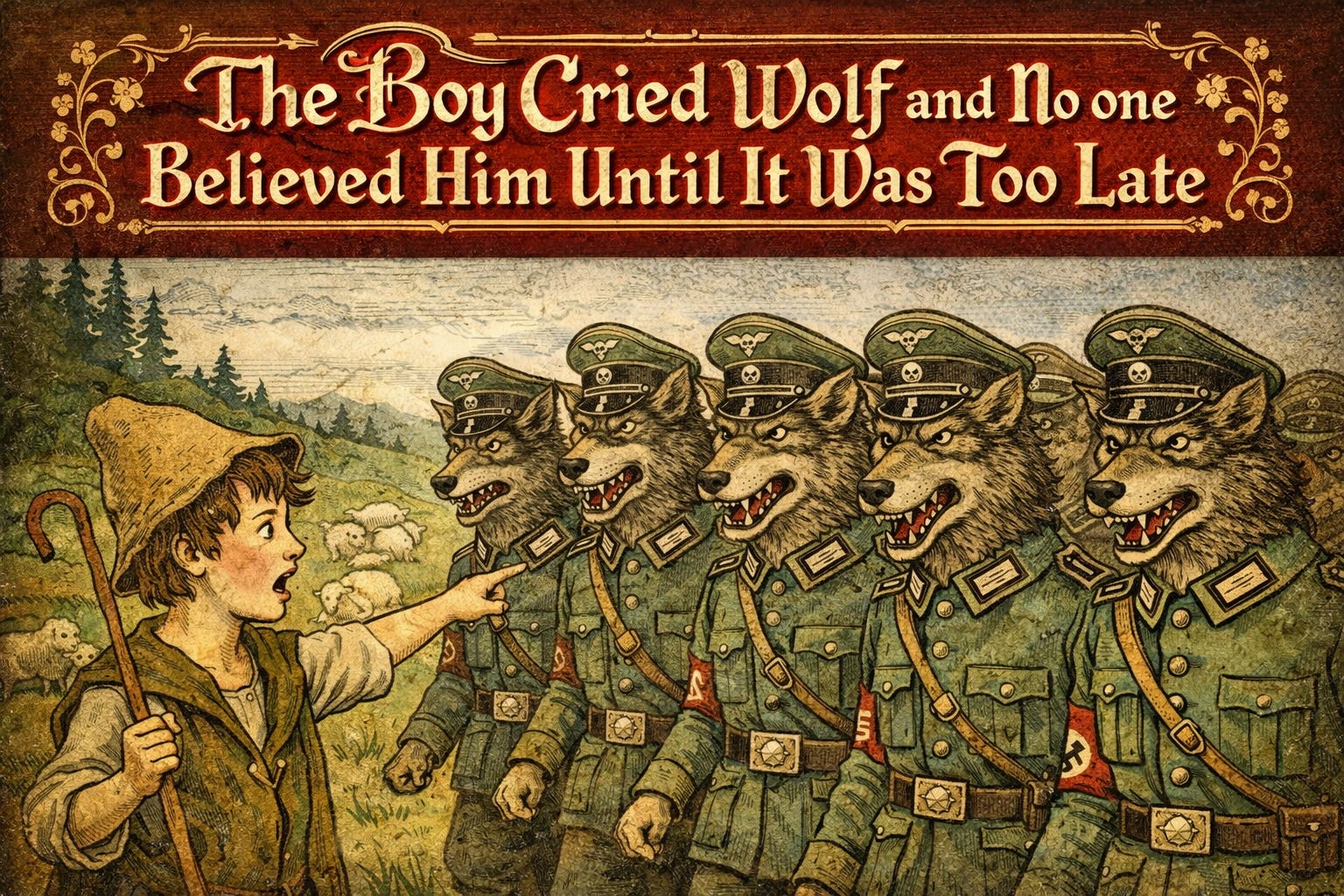
Deception has a way of worming its way into our lives, often masquerading as truth. Like the boy who cried wolf, we may find ourselves entangled in a web of lies, only to discover that when the real crisis arrives, no one is there to listen. In a world where trust is a precious commodity, navigating the complexities of belief and skepticism can be a daunting task.
The Perils of Dismissing the Warning Signs The tale of the boy who cried wolf is a timeless cautionary tale, one that serves as a poignant reminder of the consequences of betraying trust. When the boy first raised the alarm, the villagers responded with haste, eager to protect their flock from the perceived threat. But as the false alarms continued, their patience wore thin, and they began to dismiss the boy's cries as mere mischief.
This pattern of disbelief is all too familiar in our own lives. Whether it's a colleague who constantly exaggerates their accomplishments or a politician who makes grandiose promises, we've all encountered those who have eroded our trust through repeated deception. And like the villagers, we may find ourselves hesitant to believe even the most genuine of warnings, lulled into a false sense of security by the persistent cacophony of lies.
The Consequences of Unheeded Warnings The true tragedy of the boy who cried wolf lies in the ultimate cost of the villagers' dismissal. When the real wolf arrived, the boy's desperate pleas fell on deaf ears, and the flock was left defenseless. This stark outcome serves as a powerful metaphor for the real-world consequences of ignoring warning signs.
In the realm of finance, we've witnessed this scenario play out time and time again. Economic experts may sound the alarm about impending recessions or market bubbles, only to be brushed aside by those unwilling to heed the warnings. The result is often disastrous, with unsuspecting individuals and communities bearing the brunt of the fallout.
Similarly, in the realm of public health, we've seen how the dismissal of scientific evidence can lead to devastating consequences. The COVID-19 pandemic is a prime example, where early warnings from epidemiologists were met with skepticism and denial, ultimately exacerbating the crisis.
The Art of Discernment: Separating Truth from Deception Navigating the treacherous landscape of trust and deception requires a delicate balance of skepticism and open-mindedness. It's a skill that demands keen observation, critical thinking, and a willingness to question even our most deeply held beliefs.
One key strategy is to cultivate a discerning eye, attuned to the subtle cues that differentiate truth from falsehood. This might involve scrutinizing the sources of information, cross-checking claims against multiple reliable sources, and being mindful of our own biases and preconceptions.
Additionally, it's important to maintain a sense of humility and a willingness to change our minds. The world is a complex and ever-evolving place, and the truth we hold today may be challenged or refined by new evidence tomorrow. By embracing this flexibility, we can avoid the trap of dogmatism and remain open to the possibility of growth and enlightenment.
Ultimately, the lesson of the boy who cried wolf is one of balance and responsibility. While we must be wary of those who would seek to manipulate our trust, we must also be willing to lend an ear to genuine warnings, lest we find ourselves caught unawares when the real crisis arrives.
"The truth doesn't hide. It waits for those brave enough to look."
The Wise Wolf