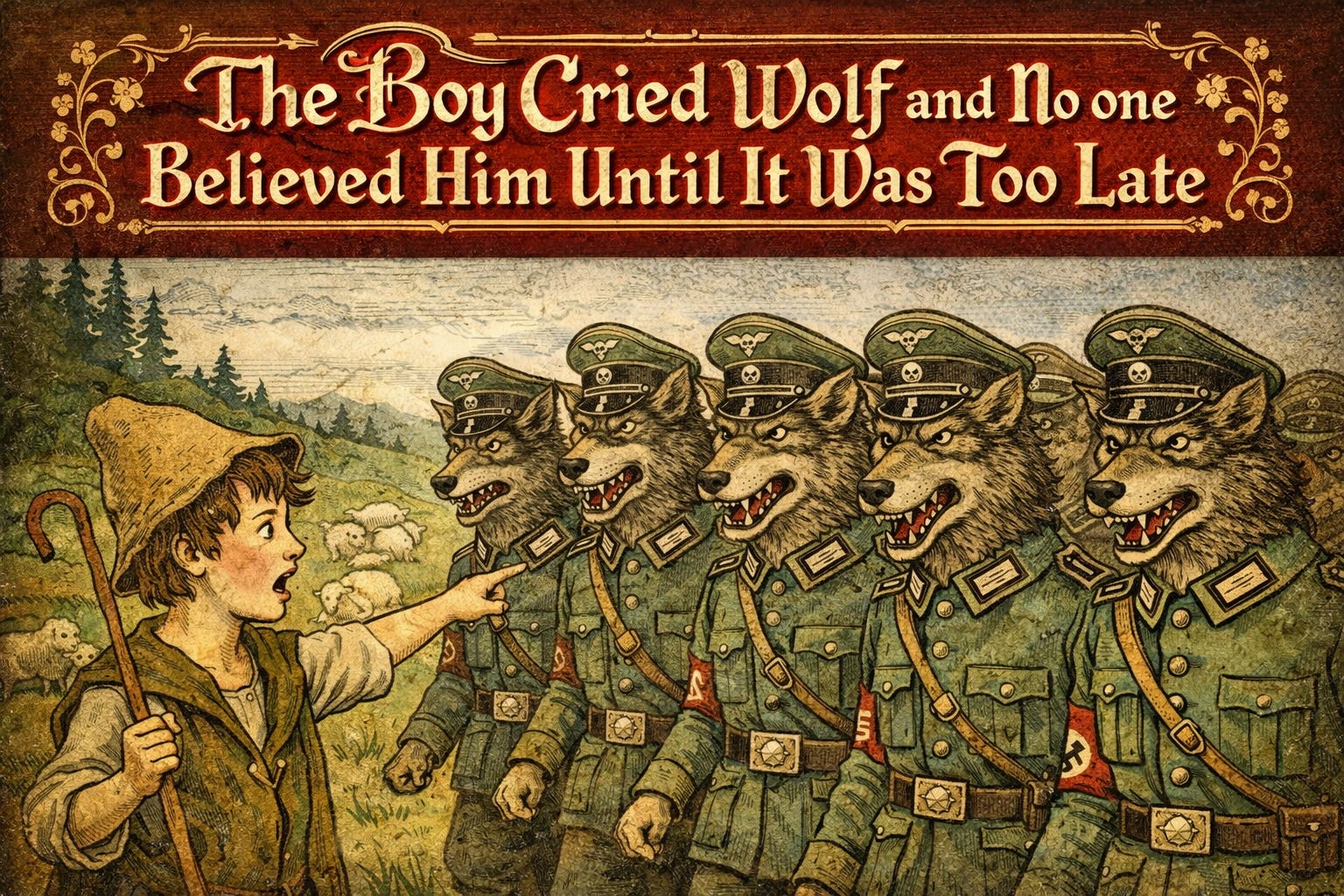
In a world where we are constantly bombarded with information, it's easy to become desensitized to the cries for help and warnings that come our way. The classic tale of the boy who cried wolf serves as a cautionary tale, reminding us of the consequences of dismissing legitimate concerns. However, the implications of this story extend far beyond a shepherd's field, touching on the very fabric of our society and the fragility of our economic and social systems.
The Boy Who Cried Wolf: A Timeless Metaphor
The story of the boy who cried wolf is a timeless metaphor for the dangers of deception and the erosion of trust. When the boy repeatedly raised false alarms, the villagers became frustrated and eventually stopped believing him, even when a real threat emerged. This scenario plays out in various contexts, from personal relationships to political and economic spheres.
Ignoring Early Warning Signs: The Peril of Complacency
In the realm of economics and finance, the parallels to the boy who cried wolf are all too clear. Time and again, experts and analysts have raised concerns about impending crises, only to be dismissed or ignored by those in power. The 2008 financial crisis is a prime example, where warning signs were present but largely disregarded until it was too late. The result was a devastating economic collapse that rippled through communities worldwide, leaving a trail of devastation in its wake.
The Cost of Disbelief: When the Wolf Arrives
When the wolf finally arrives, the consequences can be catastrophic. In the case of economic crises, the effects are felt by individuals, businesses, and entire nations. Jobs are lost, savings are depleted, and the social fabric of communities is strained. The recovery process can be arduous and prolonged, as the scars of the crisis linger long after the immediate danger has passed.
Fostering a Culture of Vigilance and Responsiveness
To avoid the pitfalls of the boy who cried wolf, we must cultivate a culture of vigilance and responsiveness. This requires a willingness to listen to legitimate concerns, even when they may not align with our preconceived notions or immediate interests. It also demands a commitment to transparency, accountability, and a genuine desire to address potential threats before they escalate.
Encouraging Constructive Discourse and Evidence-Based Decision-Making
In the face of warnings and concerns, it's crucial that we engage in constructive discourse and base our decisions on sound, evidence-based analysis. This means being open to different perspectives, critically evaluating the information at hand, and making decisions that prioritize the long-term wellbeing of our communities over short-term gains.
Building Resilient Systems and Institutions
Ultimately, the lesson of the boy who cried wolf is not about dismissing all warnings, but rather about developing robust systems and institutions that can effectively identify, respond to, and mitigate emerging threats. This may involve strengthening regulatory frameworks, investing in early warning systems, and fostering a culture of continuous learning and adaptation.
Conclusion: Heeding the Lessons of the Past
The story of the boy who cried wolf serves as a powerful reminder that we must be vigilant in recognizing and responding to legitimate concerns. By cultivating a culture of openness, evidence-based decision-making, and proactive risk management, we can build more resilient and sustainable communities, better equipped to weather the storms that inevitably lie ahead.
"The truth doesn't hide. It waits for those brave enough to look."
The Wise Wolf