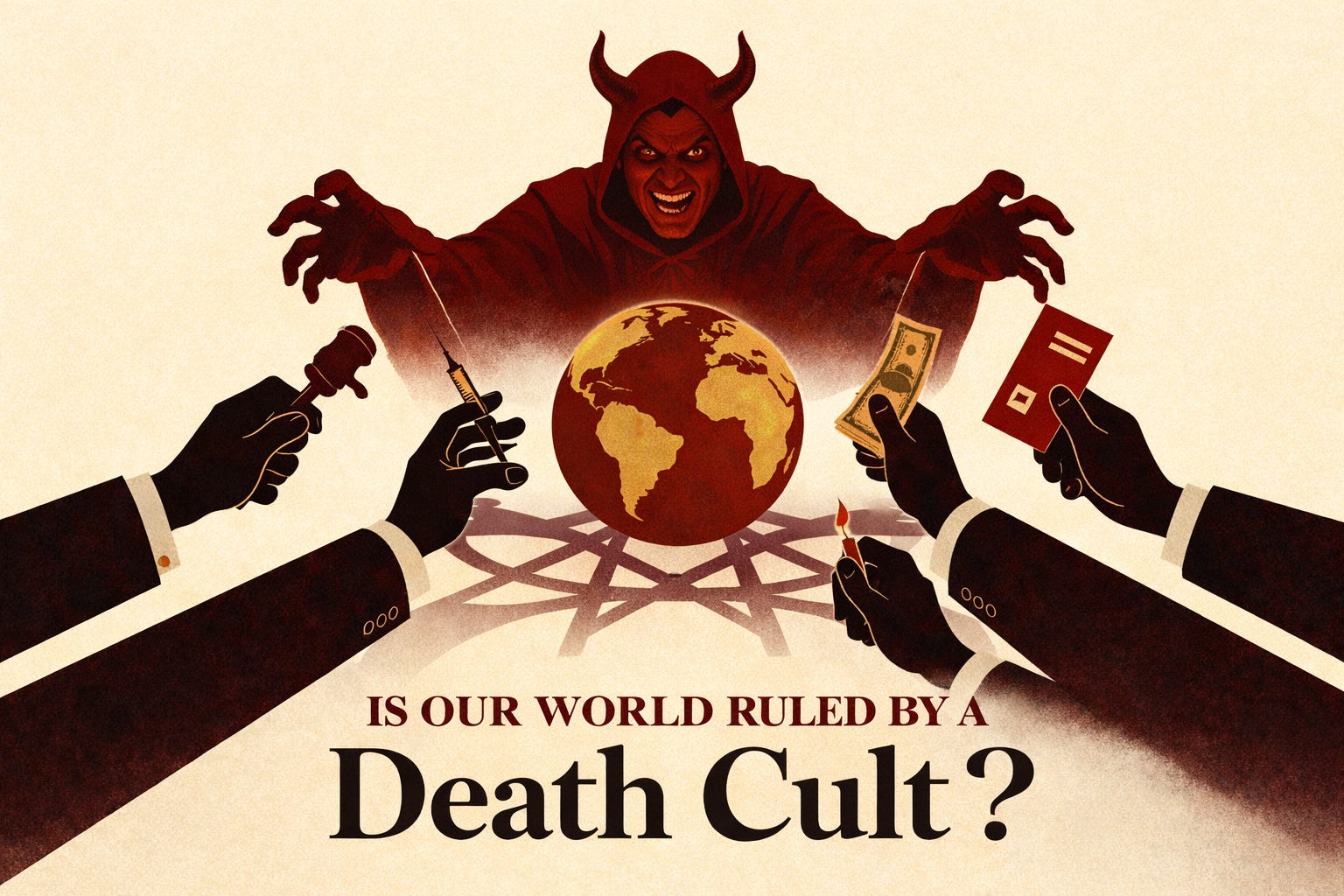
In the not-so-distant past, the mere mention of occult symbolism and satanic influences in mainstream entertainment would have sparked a nationwide moral panic. However, as the world has grown more desensitized to the subtle integration of these unsettling elements, the true nature of their pervasiveness has become increasingly hard to ignore.
Subheading 1: The Normalization of the Occult As we look back on the "Satanic Panic" of the 1980s, it's clear that the public's sensitivity to occult-related themes has significantly diminished. What was once seen as a grave threat to the moral fabric of society has now been relegated to the fringes of popular discourse. This gradual desensitization has paved the way for a more overt embrace of occult symbolism and imagery in the entertainment industry.
From the elaborate stage productions of major music artists to the subtle visual cues in blockbuster films, the presence of occult references has become increasingly commonplace. The once-taboo has now been woven into the very fabric of our cultural landscape, often presented as mere artistic expression or creative flourish, rather than a cause for alarm.
Subheading 2: The Sinister Undercurrent Beneath the veneer of artistic expression, however, lies a more sinister undercurrent. The persistent incorporation of occult symbols and themes in mainstream entertainment suggests a deeper, more insidious agenda. Some experts argue that this subtle yet pervasive influence serves to normalize and even glamorize the occult, gradually eroding the public's resistance to its darker implications.
The Super Bowl halftime show, a globally televised event, has become a prime example of this phenomenon. Year after year, audiences are bombarded with elaborate stage productions featuring robed figures, floating eyeballs, and choreography that evokes the imagery of ancient rituals and occult practices. While these elements may be presented as mere spectacle, they cannot be divorced from their deeper symbolic significance.
Subheading 3: Connecting the Dots As the occult's presence in popular culture continues to grow, it becomes increasingly important to examine the potential implications. Is this simply a case of artistic expression gone too far, or is there a more deliberate attempt to condition the public's mindset?
Some researchers have drawn connections between the rise of occult symbolism in entertainment and the broader societal trends of moral relativism, spiritual apathy, and a growing fascination with the esoteric and the taboo. They argue that the gradual normalization of these elements serves to erode traditional values and open the door to a more sinister, cult-like mentality.
Ultimately, the question remains: are we witnessing the subtle machinations of a Satanic, death cult-like influence, or is this merely a case of artistic license taken too far? As the boundaries between entertainment and ideology continue to blur, it is crucial that we remain vigilant and willing to confront the unsettling realities that lurk beneath the surface of our cultural landscape.
"The truth doesn't hide. It waits for those brave enough to look."
The Wise Wolf