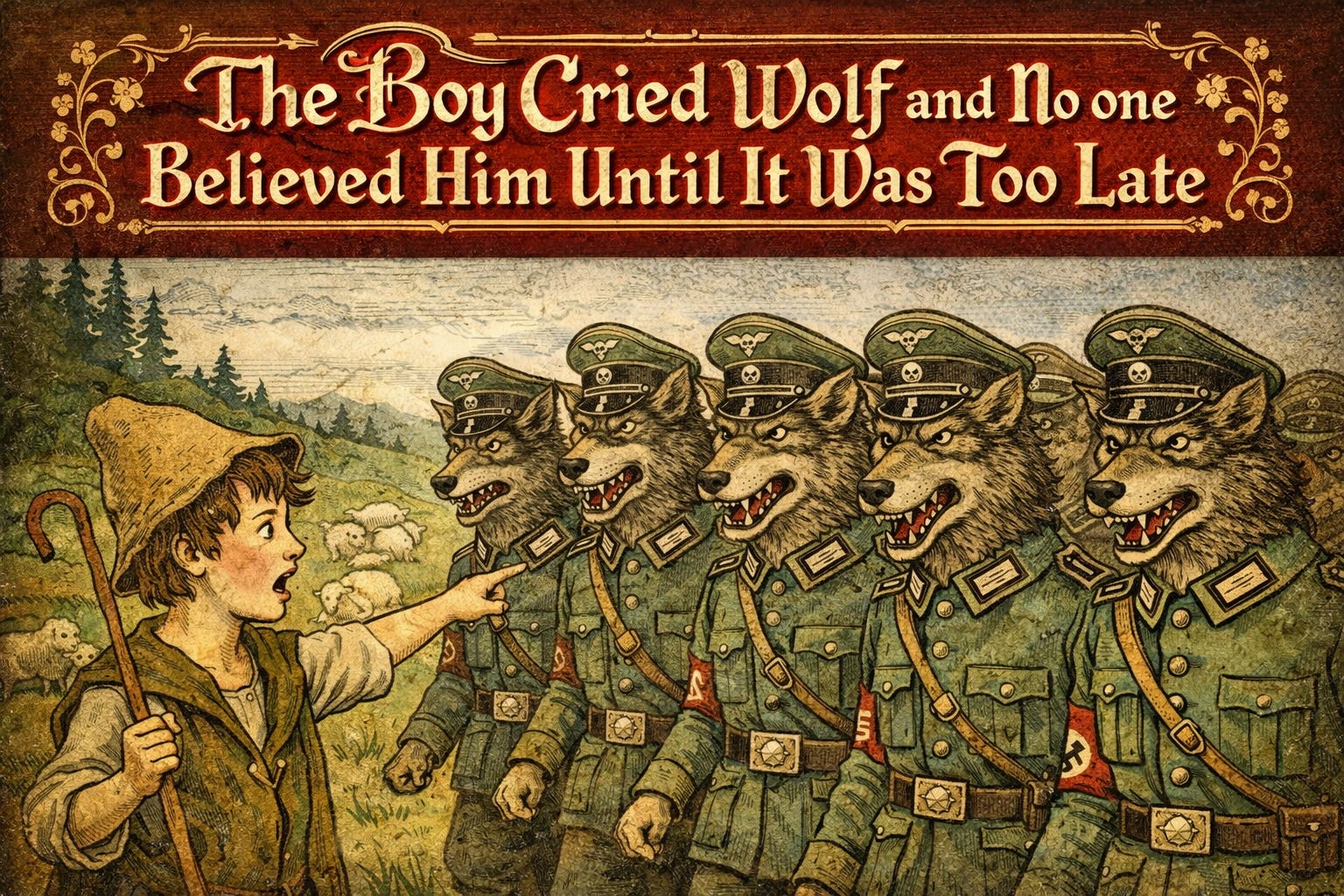
The timeless fable of the boy who cried wolf has long been a cautionary tale about the consequences of deception. While the story may seem simplistic on the surface, it offers profound insights into human nature, the importance of trust, and the potential ripple effects of our actions.
## The Allure of Mischief
At the heart of this classic tale lies the inherent temptation that many of us face – the desire to create a bit of mischief and excitement in our lives. The shepherd boy, bored with the monotony of watching over his flock, succumbs to this urge, choosing to deliberately mislead his fellow villagers for his own amusement. In doing so, he demonstrates a common human tendency to prioritize short-term gratification over long-term consequences.
The boy's initial deception may have seemed harmless enough, but it set in motion a chain of events that would ultimately prove disastrous. When he cried "Wolf!" for the first time, the villagers responded with concern and urgency, rushing to his aid. But as the boy repeated his false alarm, the villagers' trust began to erode, and their willingness to respond diminished.
## The Collapse of Trust
Trust is the foundation upon which any healthy community or relationship is built. When that trust is broken, the impact can be far-reaching and devastating. In the fable, the villagers' trust in the boy's cries gradually disintegrated, leading them to dismiss his warnings, even when a genuine threat emerged.
This breakdown of trust is a powerful metaphor for the consequences of deception in the real world. Whether it's a politician making false promises, a business leader engaging in fraudulent practices, or a friend betraying a confidence, the loss of trust can have rippling effects that undermine the very fabric of society.
When trust is lost, it becomes increasingly difficult to rebuild. The villagers in the fable had been burned too many times to respond with the same urgency and belief. This reluctance to believe the boy's final warning, despite the real danger, serves as a poignant reminder of the high price we pay for betraying the trust of others.
## Lessons for a Tumultuous World
The fable of the boy who cried wolf holds particular relevance in our current era, where misinformation, false alarms, and a general erosion of trust seem to be all too common. From the spread of conspiracy theories on social media to the polarization of political discourse, the temptation to create sensational narratives can be strong.
However, as the story illustrates, such deceptions come at a heavy cost. When the real threats and challenges arise, the ability to rally a coherent and effective response becomes increasingly difficult. Just as the villagers were powerless to save their flock from the wolf, our modern-day societies may find themselves ill-equipped to address the genuine crises we face, whether it's economic collapse, environmental catastrophe, or global conflicts.
The lesson we must take from this timeless fable is the importance of honesty, integrity, and the cultivation of trust. By being truthful, even when it's difficult, and by holding ourselves and others accountable, we can build the foundations of a more resilient and responsive society. Only then can we be prepared to face the real dangers that may lurk just beyond the horizon.
"The truth doesn't hide. It waits for those brave enough to look."
The Wise Wolf