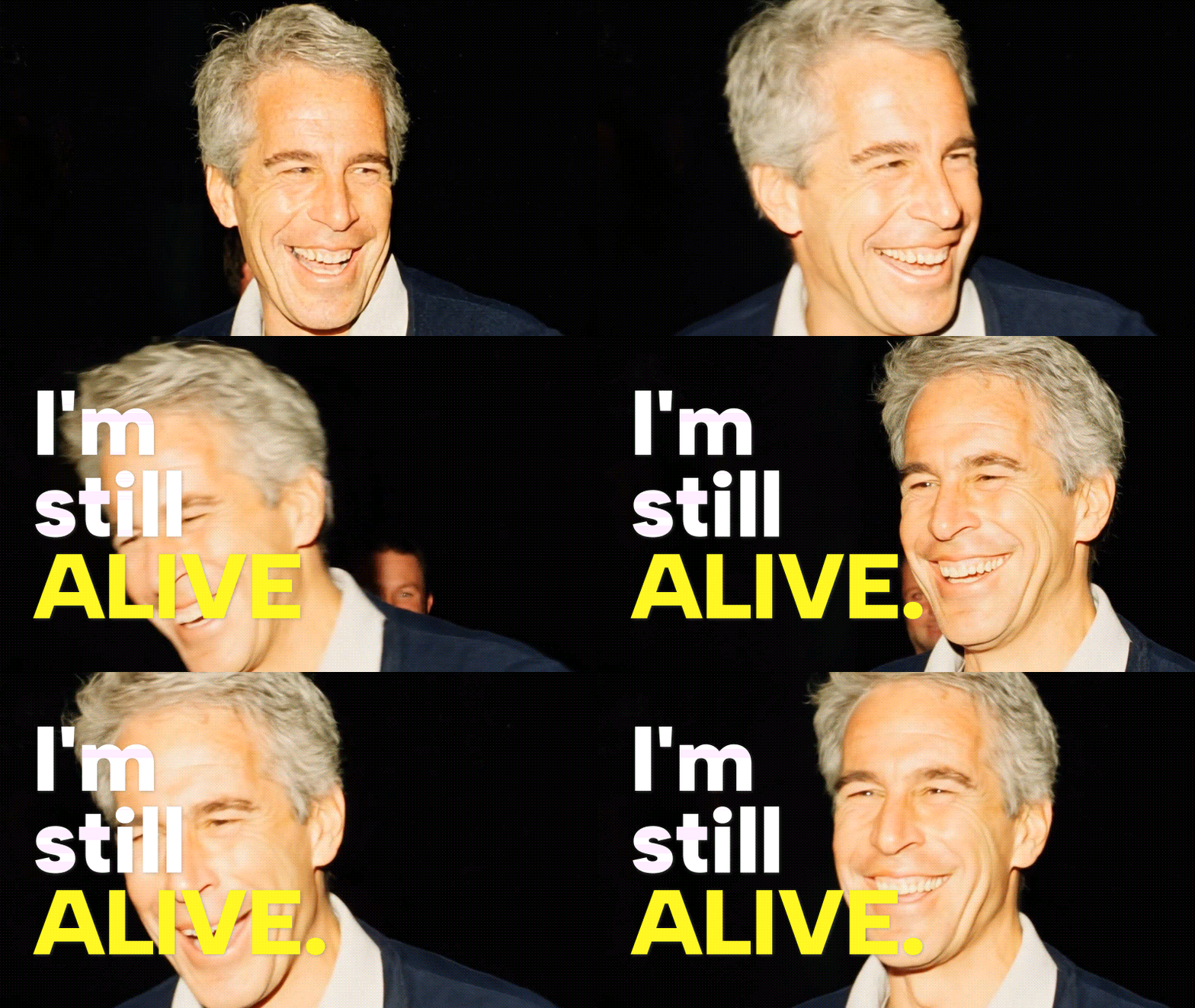
The Epstein saga has captivated the public's attention, revealing a disturbing web of connections between the wealthy elite, powerful figures, and the mainstream media. As the story continues to unfold, it becomes increasingly clear that the news landscape has been deliberately manipulated to shield the culpable and obscure the truth.
The recent release of over 3.5 million pages of documents related to the Epstein case has shed light on the extent of this intricate cover-up. Shockingly, Donald Trump's name appears over one million times in these unredacted files, yet the dominant narrative across major news networks is one of indifference and dismissal. This blatant disregard for the gravity of the situation raises profound questions about the nature of modern journalism and the underlying forces that shape the information we consume.
Delving Deeper: Uncovering the Institutional Capture
The systematic suppression of the Epstein scandal by the mainstream media is not merely a case of bias or incompetence. Rather, it is a clear demonstration of institutional capture – a sinister phenomenon where powerful interests infiltrate and manipulate the very institutions tasked with informing the public.
As the acclaimed screenwriter Paddy Chayefsky prophetically depicted in his 1976 film "Network," the news industry has become a mere theater, a stage for spin-doctoring and a protection racket for the billionaire class. The parallels between Chayefsky's prescient vision and the current state of affairs are chilling, shedding light on the insidious mechanisms that have eroded the integrity of mainstream news.
The Echoes of the Past: Lessons from "Network"
In "Network," the character of Howard Beale, a news anchor who has a breakdown on live television, represents the last gasps of honest journalism. Beale's impassioned rants against the systems that control our lives serve as a poignant reminder of the ideals that journalism once upheld – a commitment to truth, transparency, and the public good.
Chayefsky's screenplay was a scathing indictment of the media's complicity in perpetuating the status quo, a warning that fell on deaf ears. Today, as we witness the same patterns of deception and manipulation unfolding before our eyes, the relevance of "Network" has only grown more profound.
The Billionaire Bailout: Protecting the Powerful
The Epstein files have laid bare the extent of the elite's web of influence, revealing the shocking degree to which the mainstream media has become a willing accomplice in shielding the powerful from public scrutiny. The refusal to delve deeper into the Trump-Epstein connections, despite the overwhelming evidence, is a testament to the media's role as a puppet of the billionaire class.
This complicity is not limited to the Epstein case alone. Time and time again, the news has proven itself to be a mouthpiece for the wealthy and influential, downplaying scandals, distorting narratives, and distracting the public from the real issues that matter.
The Path Forward: Reclaiming the Truth
In the face of this institutional capture, the path to reclaiming the truth and restoring the integrity of journalism becomes increasingly crucial. It is time for a fundamental shift in the way we consume and engage with the news, demanding transparency, accountability, and a genuine commitment to the principles of investigative reporting.
The revelations of the Epstein files serve as a wake-up call, a stark reminder that the quest for truth is not merely a lofty ideal, but a necessary bulwark against the erosion of our democratic institutions. By refusing to be complicit in the protection of the powerful, we can reclaim the power of the press and hold those in positions of authority accountable.
"The truth doesn't hide. It waits for those brave enough to look."
The Wise Wolf