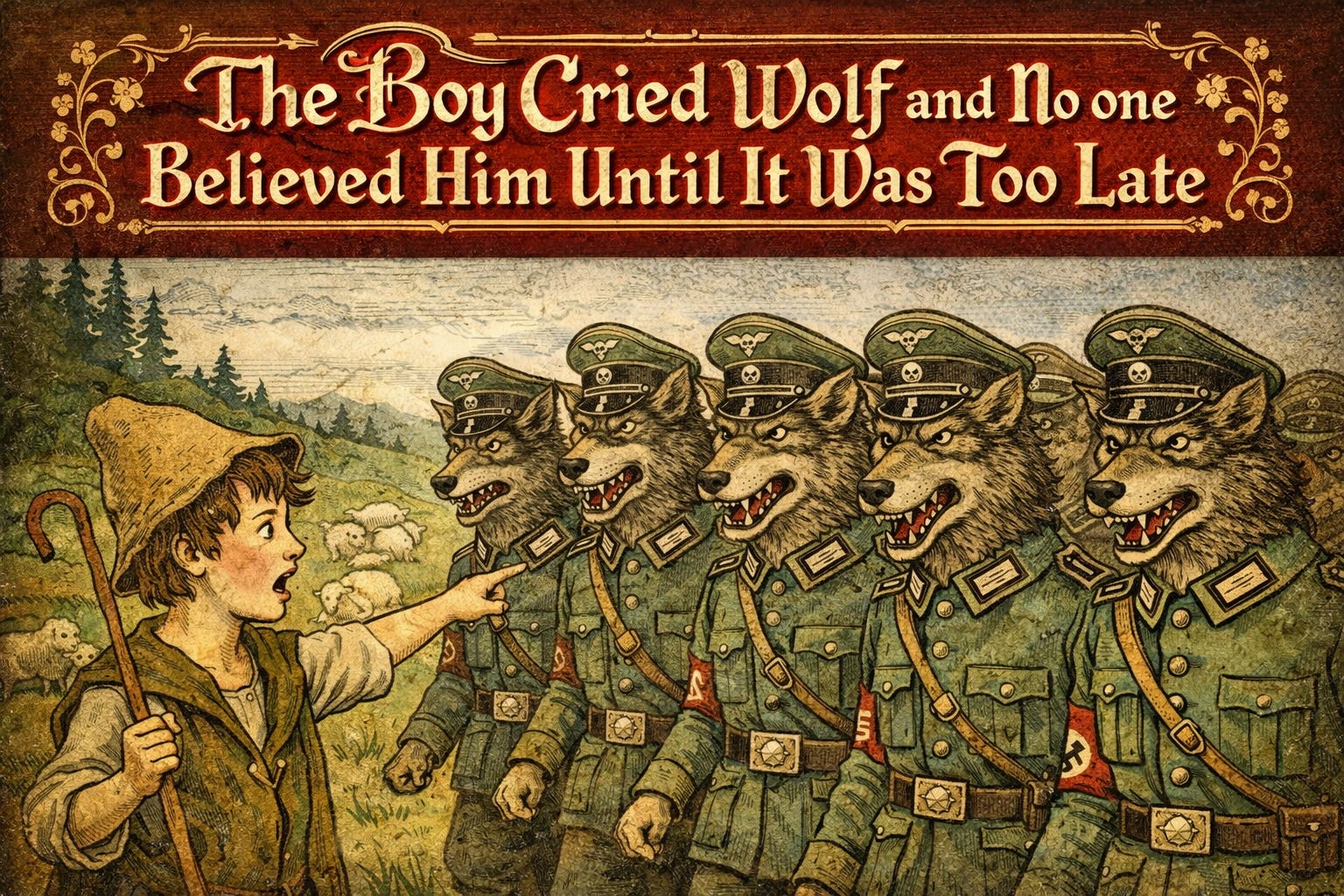
In the classic fable of the boy who cried wolf, we're presented with a cautionary tale about the consequences of dishonesty and the dangers of losing credibility. But as we delve deeper into this timeless story, we can uncover a wealth of insights that extend far beyond the mere recounting of events.
The Perils of Deception At the heart of this fable lies a simple yet powerful message about the dangers of deception. The shepherd boy, driven by boredom and a desire for attention, resorts to fabricating wolf sightings, much to the annoyance and eventual disbelief of the villagers. This reckless behavior not only undermines the trust of the community but also sets the stage for a tragic outcome when a real wolf does appear.
The lesson here is clear: when we engage in dishonest behavior, even in seemingly harmless ways, we risk eroding the very foundation of trust that binds us together. Just as the villagers become desensitized to the boy's cries, so too can our own credibility be compromised when we fail to uphold the principles of honesty and integrity.
The Allure of Instant Gratification Underlying the boy's actions is a deeper human tendency – the desire for immediate gratification. In a world where attention and validation are often sought through fleeting moments of excitement or drama, it's easy to succumb to the temptation of creating false narratives to satisfy our cravings.
However, as the fable demonstrates, this approach is ultimately self-defeating. The boy's initial amusement at fooling the villagers quickly gives way to a dire situation where his cry for help falls on deaf ears. This cautionary tale reminds us that true fulfillment and lasting success come not from momentary thrills, but from the steady cultivation of trust, reliability, and authentic connections.
The Consequences of Indifference The fable also highlights the consequences of indifference and the failure to heed warnings, even when they come from trusted sources. When the boy's cries of "wolf" are dismissed, the villagers become complicit in their own vulnerability. Their unwillingness to take action, even when the threat is real, leads to a devastating outcome.
This aspect of the story serves as a powerful reminder of the importance of active engagement and the willingness to respond to legitimate concerns, even when they may seem repetitive or unbelievable. By fostering a culture of openness, empathy, and critical thinking, we can better navigate complex situations and avoid the pitfalls of complacency.
Lessons for the Modern World As we navigate the complexities of the modern world, the lessons of the boy who cried wolf take on new relevance. In an era of information overload and the proliferation of misinformation, the importance of discernment, credibility, and trust has never been more crucial.
Whether it's navigating the economic landscape, evaluating political rhetoric, or simply maintaining healthy relationships, the underlying principles of this fable continue to offer valuable guidance. By cultivating honesty, vigilance, and a willingness to listen, we can better protect ourselves and our communities from the perils of deception and the consequences of indifference.
Ultimately, the story of the boy who cried wolf serves as a timeless reminder that our actions and choices have far-reaching implications. By heeding its lessons, we can build a more resilient, trustworthy, and engaged society – one that is better equipped to confront the challenges of our time.
"The truth doesn't hide. It waits for those brave enough to look."
The Wise Wolf