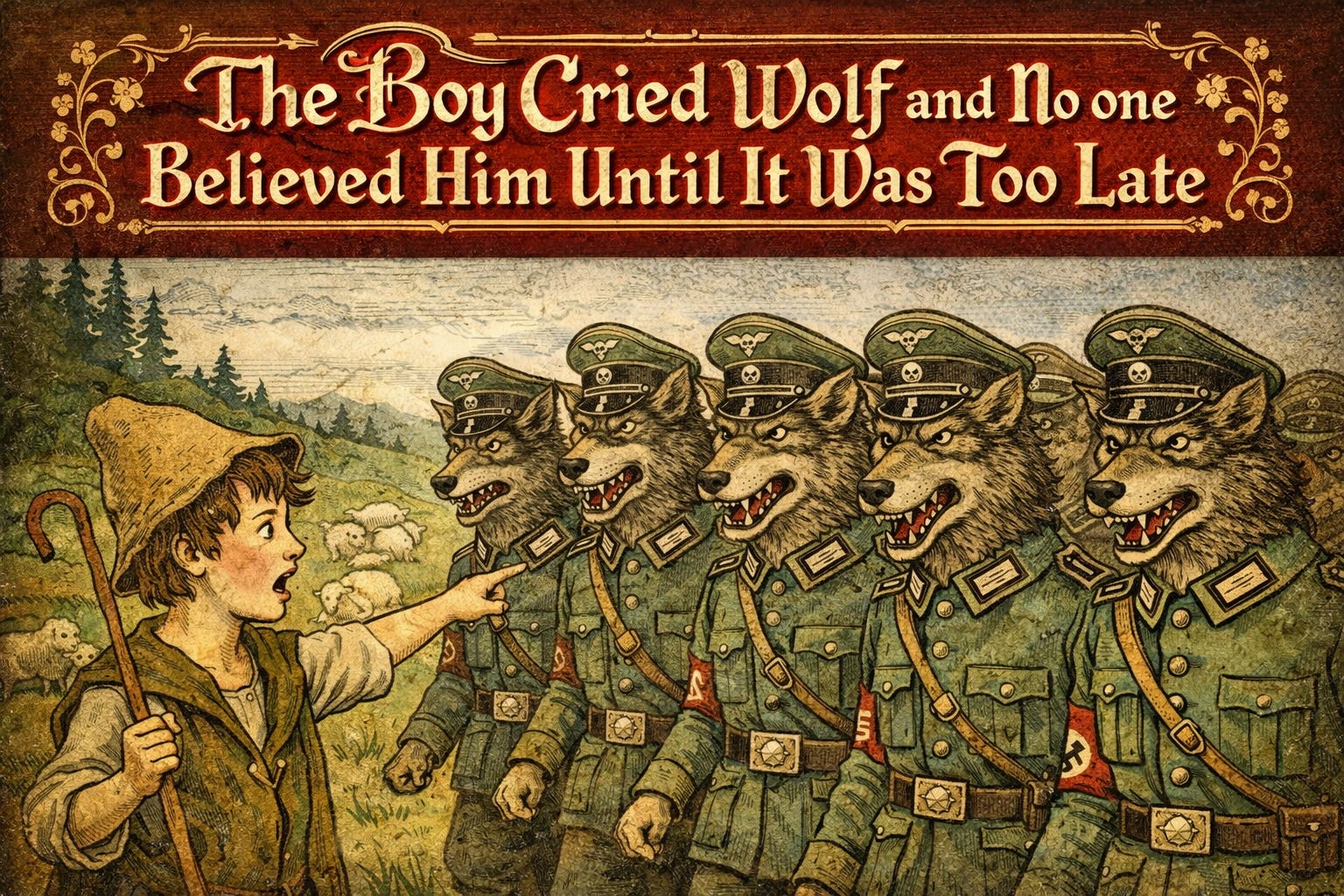
The Boy Who Cried Wolf is a timeless fable that has captivated audiences for generations, imparting a valuable lesson about the consequences of deception and the fragility of trust. However, this classic tale can also be viewed through a broader lens, offering insights into the complex interplay between individual actions and societal responses.
The Dangers of Deception
At the heart of the story lies the shepherd boy's decision to manipulate the trust of his community for his own amusement. By repeatedly raising false alarms, he exploits the villagers' good faith, eroding their willingness to respond to his cries. This reckless behavior not only jeopardizes the safety of the flock but also reveals the boy's lack of regard for the welfare of others.
The Erosion of Credibility
As the boy's deception continues unchecked, the villagers become increasingly skeptical and distrustful. Each false alarm chips away at their confidence in the boy's warnings, until they ultimately disregard his pleas for help, even when a genuine threat arises. This gradual loss of credibility serves as a cautionary tale, reminding us that even the most well-intentioned individuals can undermine their own credibility through a pattern of dishonesty.
The Consequences of Inaction
The story's tragic conclusion, in which the wolf devours the sheep and likely the boy himself, highlights the dire consequences that can result from a community's failure to respond to a genuine crisis. By dismissing the boy's cries as yet another prank, the villagers unwittingly enable the wolf's attack, ultimately bearing the burden of their own inaction.
The Fragility of Trust
At the core of the fable lies a profound truth about the fragility of trust. The boy's betrayal of the villagers' trust serves as a stark reminder that once broken, trust is exceedingly difficult to restore. This dynamic is not limited to the confines of the story; it is a fundamental aspect of human relationships and societal interactions, with far-reaching implications.
Lessons for the Modern World
The Boy Who Cried Wolf offers valuable lessons that resonate in the modern world, where the proliferation of information and the speed of communication can amplify the impact of deception and the erosion of trust.
In an age of "fake news" and online misinformation, the fable's message about the importance of credibility and the consequences of dishonesty takes on renewed significance. As individuals and communities, we must be vigilant in discerning truth from fiction, and steadfast in our commitment to honesty and accountability.
Furthermore, the story's exploration of the collective response to a crisis underscores the vital role of cooperation and mutual understanding in addressing complex societal challenges. Just as the villagers' failure to heed the boy's warning had dire consequences, a lack of collective action and shared responsibility can leave communities vulnerable to emerging threats, whether they be economic, environmental, or social.
Conclusion
The Boy Who Cried Wolf is more than a simple fable about a mischievous shepherd boy; it is a profound exploration of the human condition, with profound lessons about the importance of trust, the dangers of deception, and the shared responsibility we all bear in creating a more resilient and compassionate world.
"The truth doesn't hide. It waits for those brave enough to look."
The Wise Wolf