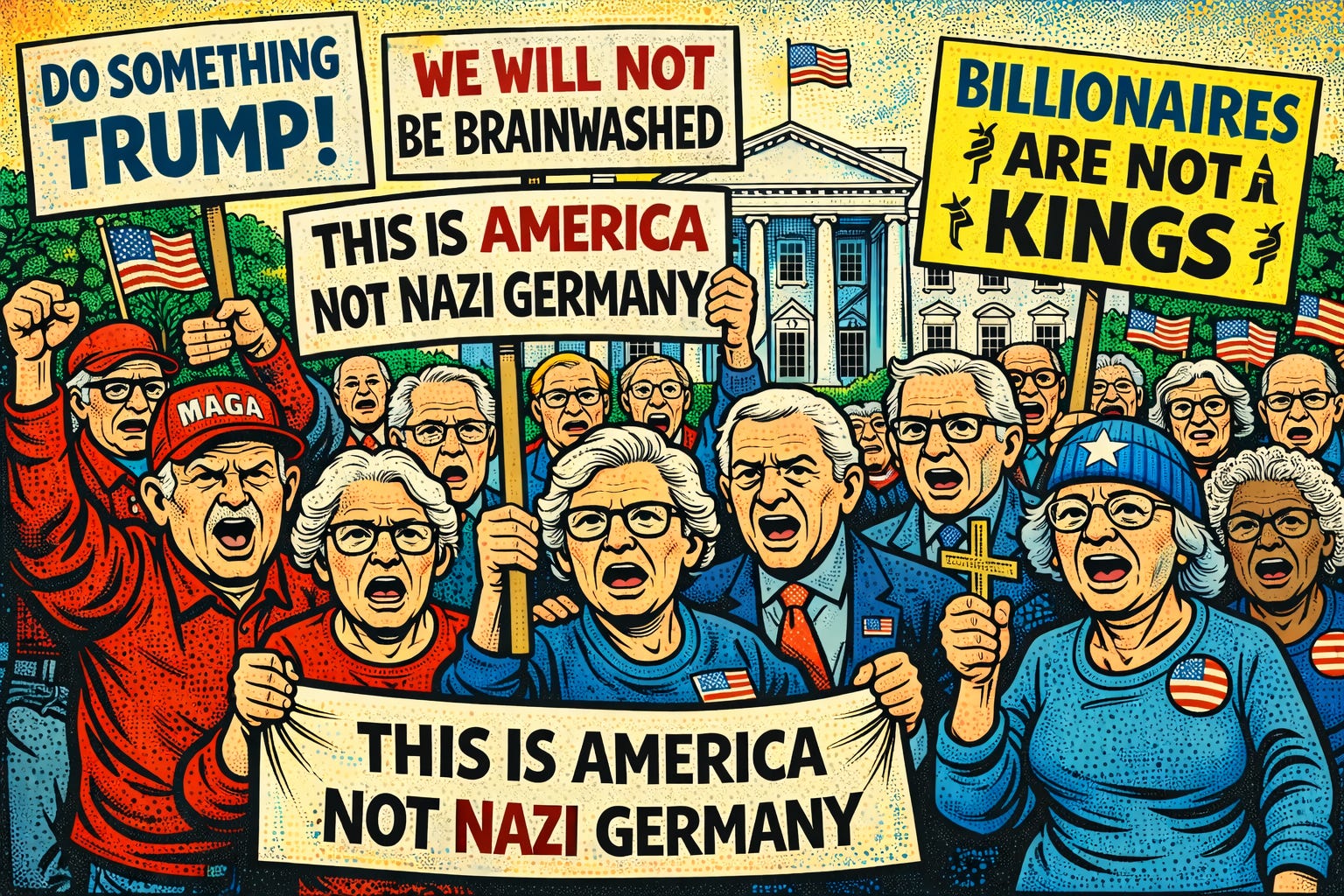
As the political landscape in America grows increasingly complex and polarized, a glimmer of hope emerges from an unexpected source: the senior citizen population. These experienced, respected members of our society possess a unique power that could be the key to unlocking positive change.
Seniors: The Unsung Heroes of Civic Engagement
The senior citizen demographic has long been overlooked in discussions of political activism and social change. However, a closer examination reveals that this group possesses a formidable combination of wisdom, resilience, and moral authority that could be the catalyst for a grassroots revolution.
Unlike younger generations, who are often dismissed as "radical" or "extremist" when they express dissent, seniors enjoy a level of respect and credibility that makes them difficult to marginalize or discredit. Their life experiences and long-standing ties to their communities lend them a moral authority that commands attention and demands consideration.
Moreover, seniors are less beholden to the financial and social pressures that often constrain the actions of younger citizens. With more time and resources at their disposal, they can dedicate themselves to the causes they believe in without fear of professional or personal repercussions.
Mobilizing the Senior Citizen Voting Bloc
The power of the senior citizen demographic lies not only in their moral authority but also in their sheer numbers and voting power. According to the U.S. Census Bureau, there are over 54 million Americans aged 65 and older, representing a significant portion of the electorate.
By mobilizing this vast and influential voting bloc, seniors can wield significant influence over the political process. They can use their collective voice to demand accountability, transparency, and policies that prioritize the needs and concerns of their demographic.
Moreover, seniors possess a deep understanding of the political system and the importance of civic engagement. They have witnessed the ebb and flow of political currents throughout their lifetimes and have a keen appreciation for the power of grassroots movements.
A Call to Action: Seniors as Catalysts for Change
The time has come for seniors to step up and assert their rightful place as agents of positive change in America. By organizing, mobilizing, and leveraging their moral authority, seniors can become the driving force behind a grassroots revolution that challenges the status quo and demands a more just, equitable, and responsive political system.
This call to action is not merely a symbolic gesture; it is a practical and necessary step towards reclaiming the democratic principles that have long been the foundation of American society. By marching on Washington, seniors can send a powerful message to the political establishment that their voices will no longer be ignored or dismissed.
Furthermore, the participation of seniors in this movement can inspire and empower younger generations to become more actively engaged in the political process. As role models and mentors, seniors can share their wisdom, experiences, and strategies for effective civic engagement, fostering a new era of grassroots activism and political empowerment.
Conclusion: The Future Belongs to the Courageous
The challenges facing America today are daunting, but they are not insurmountable. By harnessing the power of the senior citizen demographic, we can ignite a grassroots revolution that ushers in a new era of political accountability, transparency, and responsiveness.
As the old adage goes, "the future belongs to the courageous." It is time for seniors to embrace their role as the catalysts for change, leading the charge towards a more just, equitable, and democratic society. With their moral authority, their collective voting power, and their unwavering commitment to the principles of civic engagement, seniors can become the driving force behind a transformative movement that will echo through the ages.
"The truth doesn't hide. It waits for those brave enough to look."
The Wise Wolf