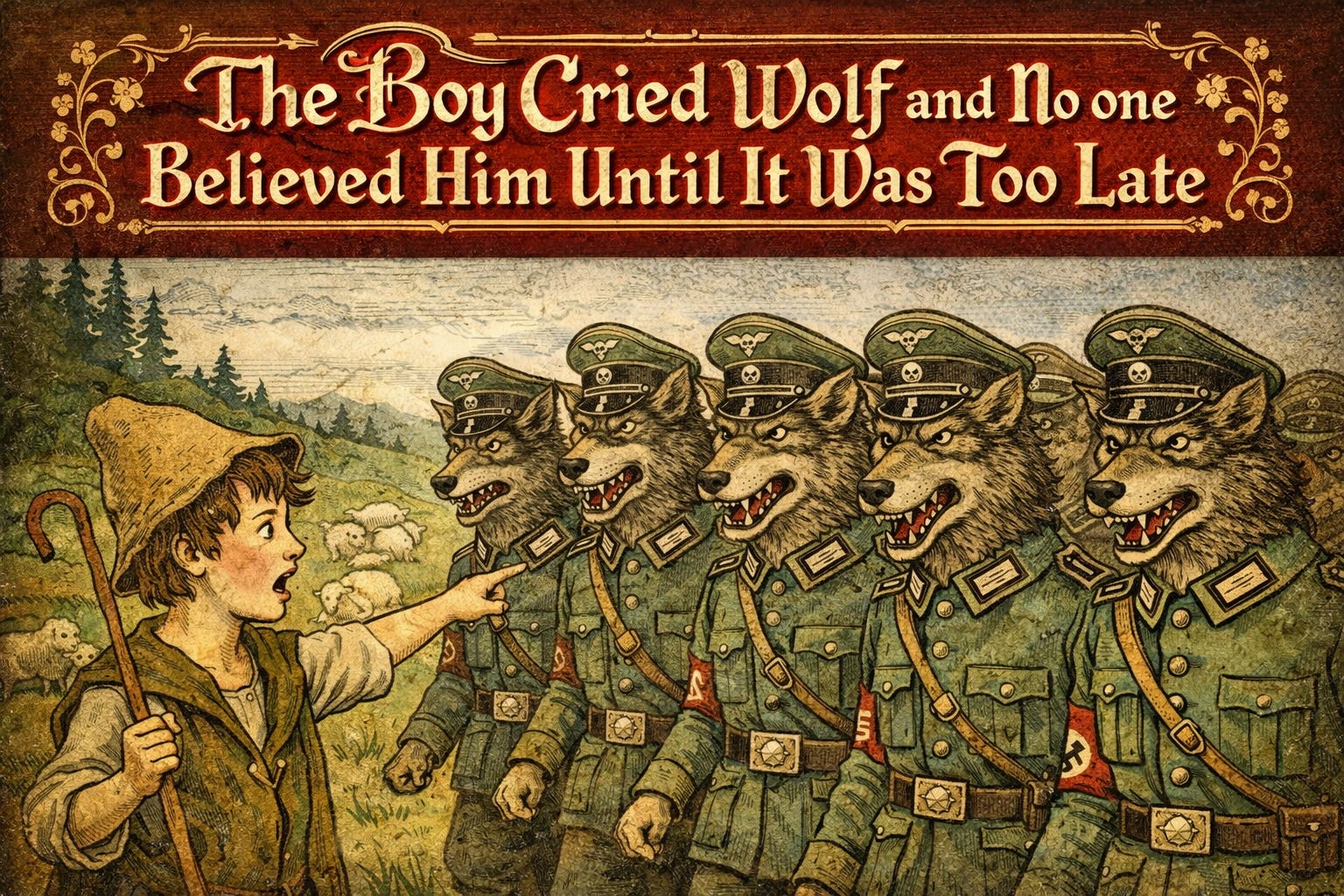
In a world often overshadowed by the constant din of alarms and warnings, the timeless tale of the boy who cried wolf serves as a poignant reminder of the delicate balance between trust and credibility. As we navigate the complex landscape of modern life, fraught with economic uncertainties and a seemingly endless stream of information, the lessons of this classic parable offer invaluable insights into navigating the treacherous waters of belief and skepticism.
The Boy Who Cried Wolf: A Cautionary Tale for Our Times
The story of the young shepherd, bored with his monotonous duties, who falsely raised the alarm of a wolf attack, has long been a staple in our collective consciousness. In this archetypal narrative, we witness the gradual erosion of trust, as the villagers, initially responsive to the boy's cries, eventually become desensitized to his warnings, dismissing them as mere mischief. When a real threat emerges, the boy's desperate pleas fall on deaf ears, with devastating consequences.
Echoes of a Changing Economic Landscape
In many ways, the dynamic between the boy and the villagers mirrors the relationship between the public and those in positions of authority, particularly in the realm of economic forecasting and crisis management. Just as the villagers became weary of the boy's false alarms, so too can the public become disillusioned with the constant stream of warnings and predictions from economic experts and policymakers.
The Perils of Crying "Wolf" in the Digital Age
In the age of instant communication and social media, the potential for the "boy who cried wolf" scenario to play out on a larger scale has never been more pronounced. With the ease of spreading information, both true and false, individuals and organizations must be acutely aware of the power and responsibility that comes with their words. A single, unsubstantiated claim about an impending economic crisis can ripple through the digital landscape, eroding public trust and undermining the credibility of those tasked with safeguarding our financial well-being.
Rebuilding Trust in Uncertain Times
As we grapple with the complexities of a rapidly evolving economic landscape, the lesson of the boy who cried wolf becomes ever more relevant. To regain the public's trust, those in positions of authority must strike a delicate balance between transparency, honesty, and a measured approach to warning signs. By consistently demonstrating a commitment to accuracy and objectivity, they can cultivate an environment where the public is more receptive to genuine concerns and better equipped to navigate the challenges that lie ahead.
Ultimately, the story of the boy who cried wolf serves as a cautionary tale, a reminder that the power of belief is a fragile and precious commodity. As we navigate the uncertain waters of economic fluctuations and societal upheaval, it is incumbent upon us all to heed the lessons of the past, to approach information with a critical eye, and to lend our trust only to those who have proven themselves worthy of it. For in doing so, we may just avoid the tragic fate that befell the boy and his flock, and instead, find the resilience to weather the storms that lie ahead.
"The truth doesn't hide. It waits for those brave enough to look."
The Wise Wolf