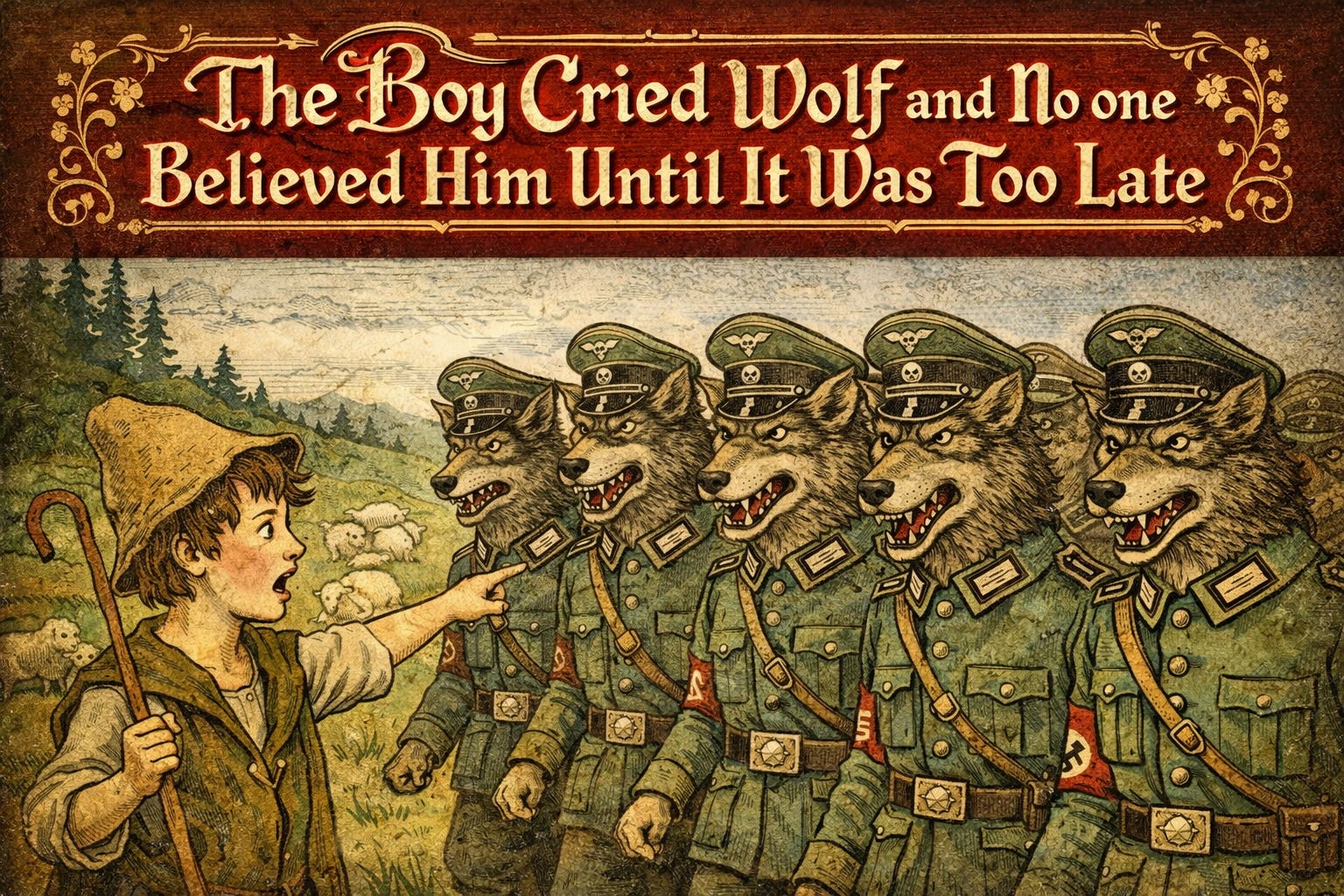
In a world where skepticism reigns supreme, the consequences of dismissing credible warnings can be dire. The tale of the boy who cried wolf serves as a cautionary tale, reminding us of the perilous path we tread when we allow our biases and preconceptions to blind us to genuine threats.
Imagine a community where the boy's cries for help were met with unwavering skepticism, a collective refusal to acknowledge the looming danger. As the wolf draws closer, the villagers, having grown weary of the boy's previous false alarms, turn a deaf ear to his desperate pleas. The wolf, sensing the opportunity, strikes swiftly, leaving a trail of destruction in its wake.
## The Danger of Disbelief
This scenario, while a fable, holds a sobering truth: our tendency to dismiss warnings, even those from credible sources, can have devastating consequences. In the realm of economic collapse, for example, we have seen instances where experts and pundits sounded the alarm, only to be met with a chorus of skepticism and disbelief.
The 2008 financial crisis is a prime example. For years, economists and financial analysts had been warning of the impending housing bubble and the risks it posed to the global economy. Yet, their cries were drowned out by the cacophony of voices insisting that the market was sound, that the good times would never end. When the bubble finally burst, the fallout was catastrophic, leaving millions of people grappling with the harsh realities of job losses, foreclosures, and shattered dreams.
## Heeding the Warnings
The lesson here is clear: we must be vigilant in heeding the warnings, even when they challenge our preconceptions or go against the prevailing narrative. In the case of economic collapse, the signs are often there, if we are willing to listen. Stagnant wages, rising inequality, unsustainable debt levels, and the erosion of financial safeguards – these are the harbingers of a system that is teetering on the brink.
Yet, it is all too easy to dismiss these warning signs, to convince ourselves that the status quo will hold, that the good times will continue indefinitely. We may find comfort in the familiar, or we may simply be unwilling to confront the uncomfortable truth that the world we have known is on the verge of transforming.
But in doing so, we risk becoming the villagers who turned a deaf ear to the boy's cries, only to find themselves helpless in the face of the impending disaster. The consequences of such willful blindness can be catastrophic, not just for us as individuals, but for our communities and our societies as a whole.
## Embracing Vigilance and Empowerment
The answer, then, lies in cultivating a spirit of vigilance and empowerment. We must be willing to listen to the warnings, to scrutinize the evidence, and to engage in honest, open-minded dialogue about the challenges we face. We must be prepared to challenge our own biases and preconceptions, to seek out diverse perspectives, and to embrace the uncomfortable truth that the world is a complex and ever-changing place.
At the same time, we must empower ourselves and our communities to take action. This may mean advocating for policy changes, investing in resilient infrastructure, or simply preparing for the worst-case scenario. It may also mean fostering a culture of mutual support and collective action, where we come together to weather the storms and build a more equitable, sustainable future.
By heeding the cries of those who sound the alarm, and by embracing the power of collective action, we can overcome the perils of disbelief and ensure that our communities are better prepared to weather the storms of economic collapse and other looming threats. The boy's cries may have fallen on deaf ears in the fable, but in the real world, we have the opportunity to heed the warnings and forge a more resilient, prosperous future.
"The truth doesn't hide. It waits for those brave enough to look."
The Wise Wolf