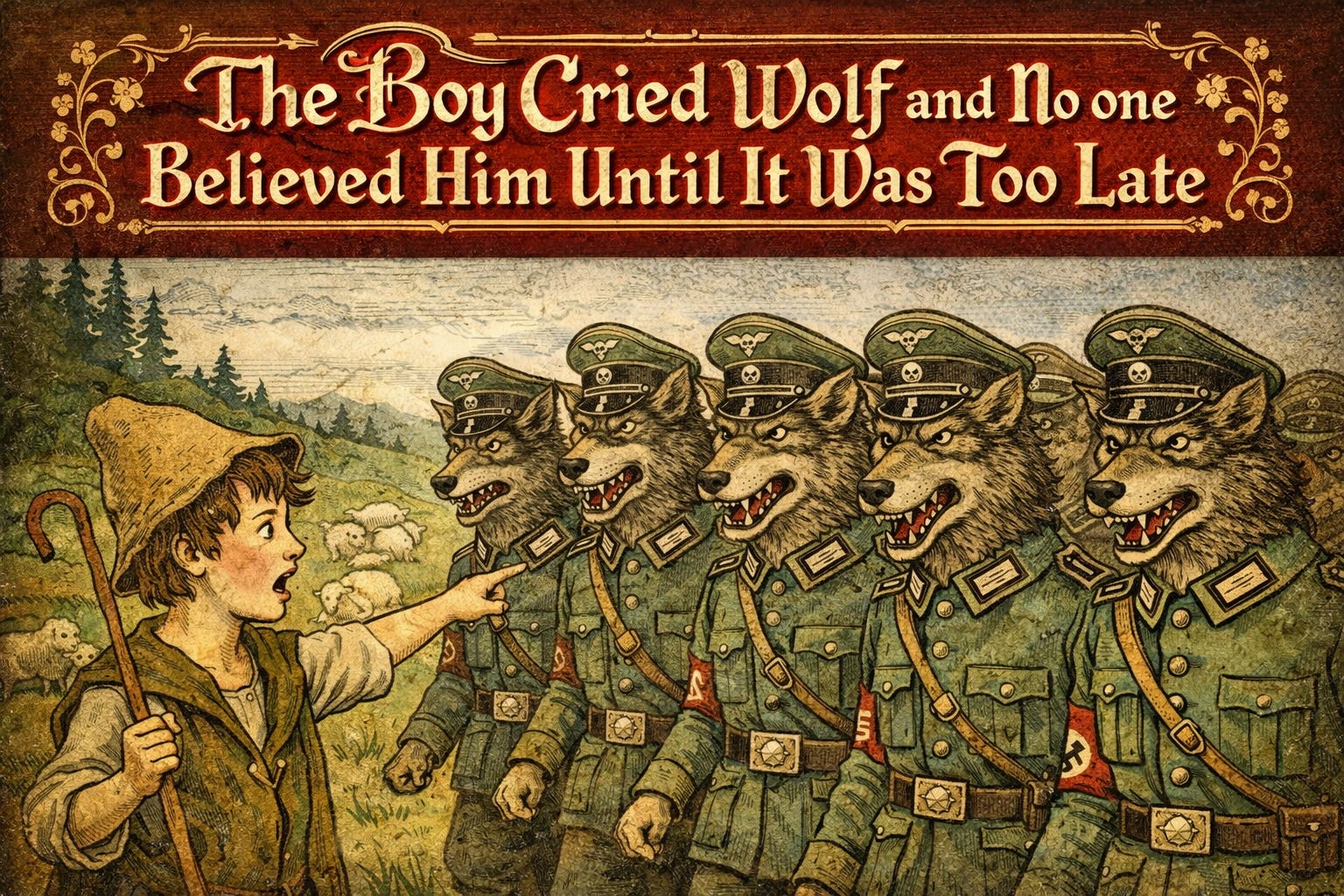
The tale of the boy who cried wolf has long been a cautionary one, warning against the dangers of deception and the perils of complacency. Yet, its lessons extend far beyond the confines of a pastoral fable, serving as a poignant metaphor for the complex realities we face in our modern world.
## The Allure of Inaction
In our fast-paced, information-saturated society, it's all too easy to become desensitized to the cries of alarm. Like the villagers in the classic story, we often find ourselves tuning out the warnings, dismissing them as mere cries for attention or false alarms. After all, how many times can we respond to the same alarm before it becomes a tiresome distraction from our daily routines?
This tendency towards complacency is not solely the domain of the individual, but can also manifest within larger societal structures. Governments, institutions, and even entire communities can fall victim to the siren song of inaction, lulled into a false sense of security by the absence of immediate crises. It's a dangerous trap, one that can have catastrophic consequences when the proverbial wolf finally arrives.
## The Wolves at the Door
In the modern context, the "wolves" we face may not take the form of a literal predator, but rather the looming specter of economic collapse, environmental devastation, or geopolitical upheaval. These threats, though often invisible to the casual observer, can loom large and strike with devastating force when left unchecked.
The recent COVID-19 pandemic serves as a poignant example of this phenomenon. For years, experts had warned of the potential for a global health crisis, yet their voices were often drowned out by the din of everyday life. When the virus finally emerged, the world was caught off guard, scrambling to respond to a threat that had been prophesied, but largely ignored.
## Heeding the Warnings
The lesson of the boy who cried wolf is not one of cynicism or resignation, but rather a call to vigilance and active engagement. It's a reminder that the responsibility to heed the warning bells falls not just on the individual, but on the collective. When we dismiss the alarms raised by those who have sounded the warning, we risk jeopardizing the very foundations of our society.
To avoid the pitfalls of complacency, we must cultivate a culture of attentiveness and critical thinking. This means actively seeking out diverse perspectives, challenging our own assumptions, and remaining open to the insights of those who may see the world differently than we do. It's a daunting task, to be sure, but one that is essential if we hope to navigate the treacherous waters ahead.
Moreover, we must be willing to take action when the stakes are high. Just as the villagers in the classic tale should have responded to the boy's cries, we too must be prepared to mobilize when the warning signs become too glaring to ignore. This may require stepping out of our comfort zones, challenging entrenched power structures, or even making difficult sacrifices for the greater good.
In the end, the story of the boy who cried wolf is not just a tale of deception and consequence, but a mirror held up to the human condition. It reminds us of the fragility of our own certainties, the allure of complacency, and the vital importance of remaining vigilant in the face of emerging threats. By heeding the warning bells and embracing a spirit of active engagement, we can navigate the perils of our time and ensure a more resilient and secure future for generations to come.
"The truth doesn't hide. It waits for those brave enough to look."
The Wise Wolf