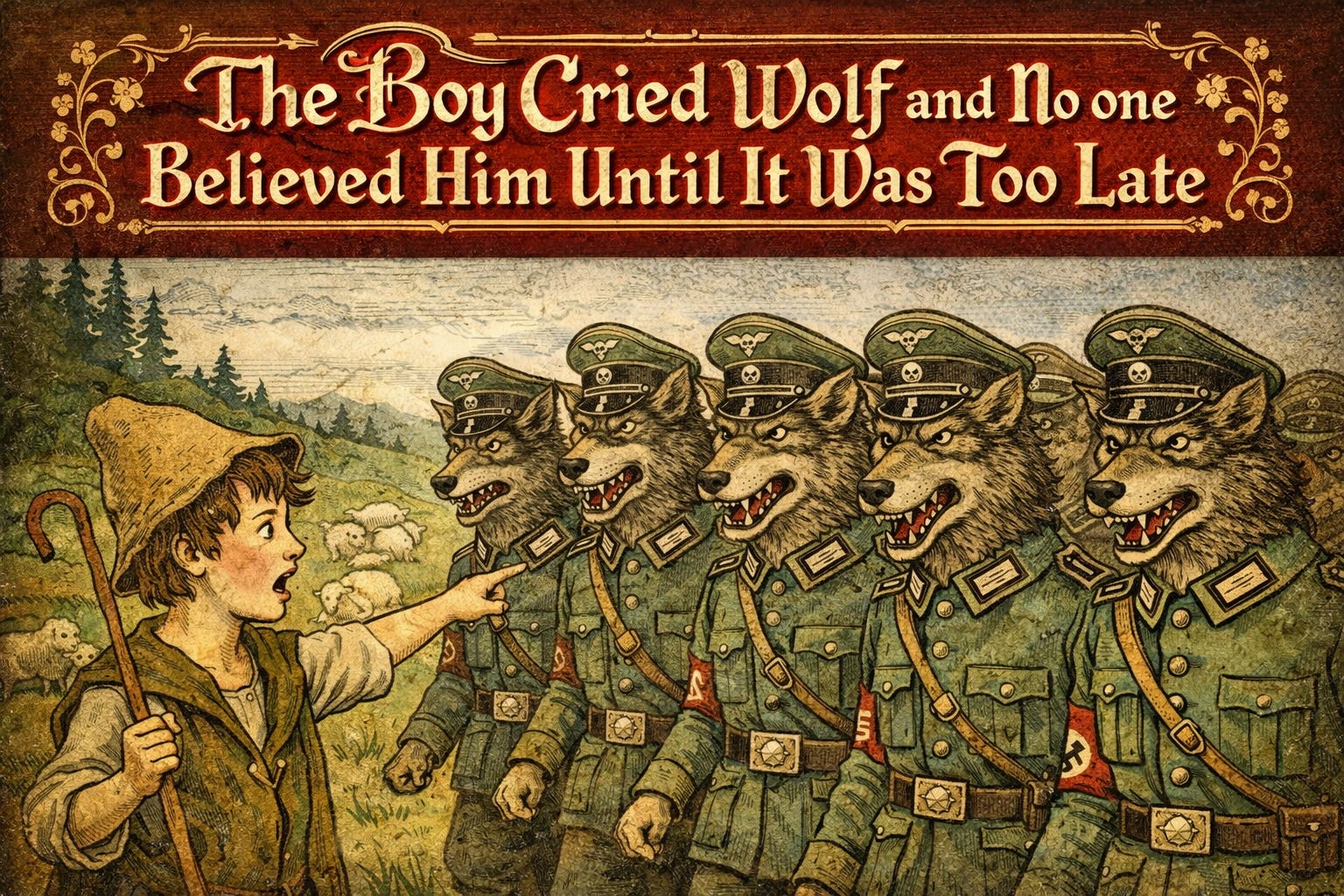
The tale of the boy who cried wolf serves as a cautionary reminder that we must be vigilant in our response to warnings, lest we risk the consequences of our own inaction. In a world where economic, social, and political upheavals are increasingly common, it is crucial that we heed the signs of impending change and adapt accordingly.
Societal Blind Spots: Ignoring the Signs of Change
Throughout history, we have seen how the dismissal of early warnings has led to devastating outcomes. The villagers in the classic fable, having grown weary of the boy's false alarms, ultimately paid the price for their complacency when a real threat emerged. Similarly, in the realm of economic and political developments, we often find ourselves caught off guard by events that, in hindsight, were clearly foreshadowed.
The recent global financial crisis, for instance, was preceded by a multitude of warning signs that many chose to ignore. Experts had been sounding the alarm about the unsustainable housing bubble, the proliferation of risky financial instruments, and the systemic vulnerabilities within the banking system. Yet, the majority of the public and policymakers remained skeptical, lulled into a false sense of security by the apparent prosperity of the time.
The Consequences of Complacency
When we dismiss early warnings, we open the door to devastating consequences. In the case of the boy and the wolf, the sheep were ultimately devoured, and the boy's fate was sealed. Similarly, in the aftermath of the financial crisis, millions of people around the world suffered the consequences of the economic collapse – job losses, foreclosures, and a prolonged period of uncertainty and hardship.
The lesson here is clear: we cannot afford to be complacent in the face of emerging threats. Whether it's a looming economic downturn, a rising tide of social unrest, or the impending effects of climate change, we must be willing to heed the warnings and take action to mitigate the potential harm.
Embracing Change and Building Resilience
The true challenge lies in cultivating a mindset that is open to change and responsive to early signals of societal upheaval. This requires a willingness to challenge our own biases, to seek out diverse perspectives, and to continuously adapt our strategies and behaviors in the face of a rapidly evolving landscape.
By fostering a culture of vigilance and adaptability, we can build the resilience necessary to weather the storms of change. This may involve investing in early warning systems, developing contingency plans, and fostering collaborative networks that can quickly mobilize in response to emerging crises.
Ultimately, the story of the boy who cried wolf serves as a powerful metaphor for the complexities of navigating a world in flux. It reminds us that our ability to recognize and respond to the signs of change can mean the difference between thriving in the face of adversity and succumbing to its devastating effects.
"The truth doesn't hide. It waits for those brave enough to look."
The Wise Wolf