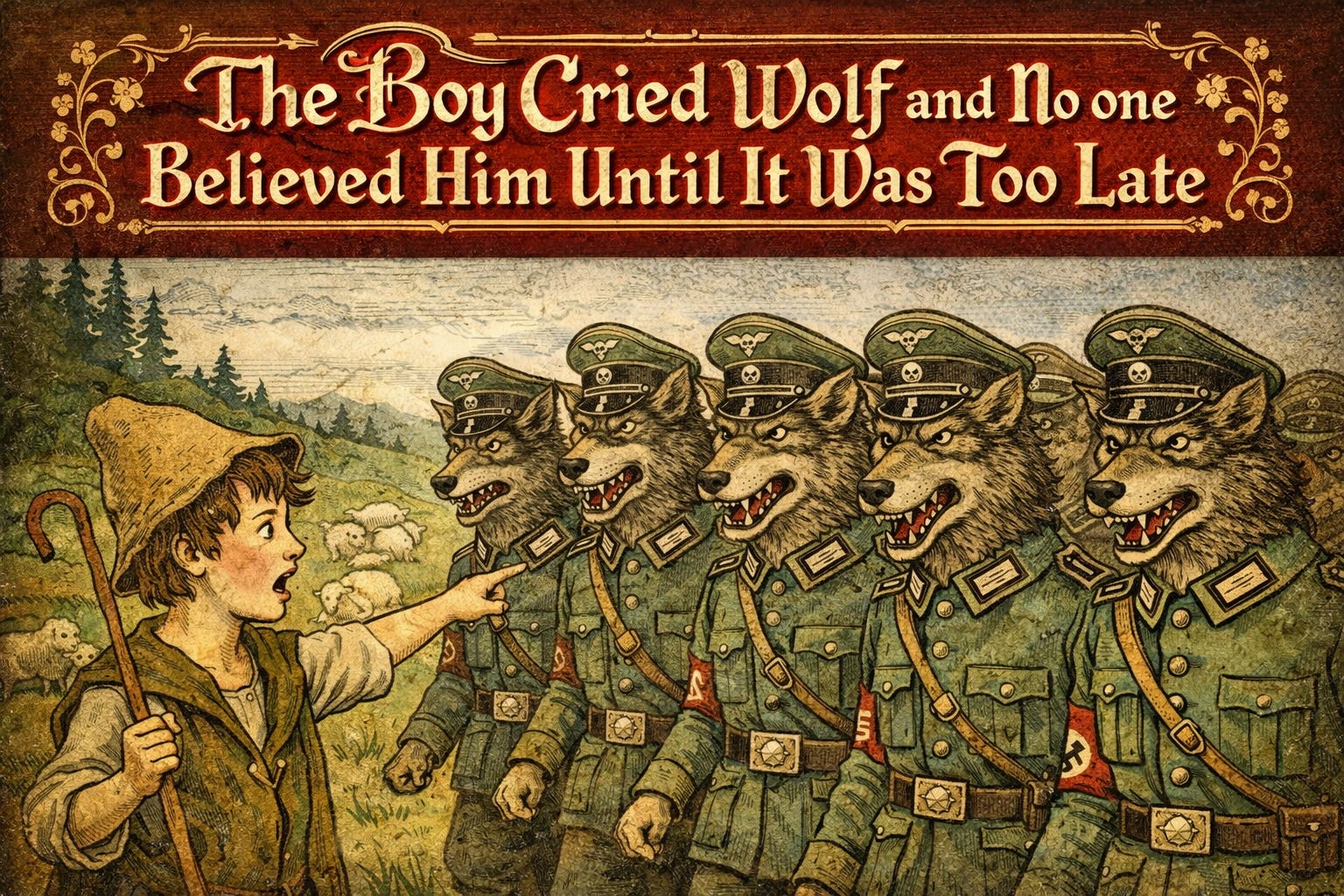
In the classic tale of the Boy Who Cried Wolf, a young shepherd's reckless behavior ultimately led to devastating consequences when a real threat emerged. This cautionary story holds profound lessons for navigating the complex and often unpredictable landscapes of modern society, where economic, social, and political upheavals can catch the unwary off guard.
Recognizing the Significance of Early Warnings
The tale of the boy who foolishly raised false alarms serves as a poignant reminder that we must take heed of early warning signs, even when they may seem inconsequential or unlikely. Just as the villagers in the story dismissed the boy's cries, we too can become desensitized to potential threats, lulled into a false sense of security by repeated false alarms or the perceived improbability of a crisis.
In the realm of economics, for example, there are often subtle indicators that foreshadow impending downturns or market instability. However, these signals can be easily overlooked or dismissed, especially when the prevailing mood is one of optimism and prosperity. The global financial crisis of 2008, for instance, was preceded by a series of warning signs that many observers chose to ignore, leading to a devastating collapse that caught many off guard.
The Consequences of Disbelief
When the real crisis arrives, the consequences can be severe, as the villagers in the story tragically discovered. With the boy's cries dismissed as mere mischief, the arrival of the actual wolf caught the community unprepared, resulting in the loss of their livestock and, potentially, the boy himself.
In the real world, the consequences of disbelief can be equally devastating. Whether it's a looming economic recession, a brewing social unrest, or a potential geopolitical conflict, ignoring the early warning signs can lead to catastrophic outcomes. Businesses may fail, communities may be torn apart, and the lives of countless individuals may be upended.
Learning to Heed the Warnings
The moral of the Boy Who Cried Wolf story is clear: we must learn to discern between genuine threats and false alarms, and respond accordingly. This requires a delicate balance of skepticism and vigilance, as well as a willingness to critically evaluate the information at hand and make informed decisions.
One key aspect of this process is developing a keen understanding of the underlying trends and dynamics that shape our world. By closely monitoring economic indicators, political developments, and social movements, we can better anticipate potential crises and position ourselves to respond effectively.
Additionally, it's crucial to cultivate a culture of open communication and transparency, where individuals feel empowered to raise concerns and voice their observations without fear of being dismissed or ridiculed. This creates an environment where early warning signs can be identified and addressed before they escalate into full-blown emergencies.
Navigating the Complexities of Modern Society
As we navigate the complexities of modern society, the lessons of the Boy Who Cried Wolf become increasingly relevant. In a world where information is abundant, yet often contradictory or unreliable, it can be challenging to separate fact from fiction, and to discern genuine threats from mere distractions.
To rise to this challenge, we must develop a critical and discerning mindset, one that allows us to carefully evaluate the evidence at hand and make informed decisions. This requires a willingness to seek out diverse perspectives, to challenge our own biases and preconceptions, and to remain open to new information and changing circumstances.
By heeding the lessons of the Boy Who Cried Wolf, we can better prepare ourselves and our communities to weather the storms of the future, whether they be economic, social, or political in nature. In doing so, we can ensure that when the real threats emerge, we are ready to respond with the urgency and resolve that the situation demands.
"The truth doesn't hide. It waits for those brave enough to look."
The Wise Wolf