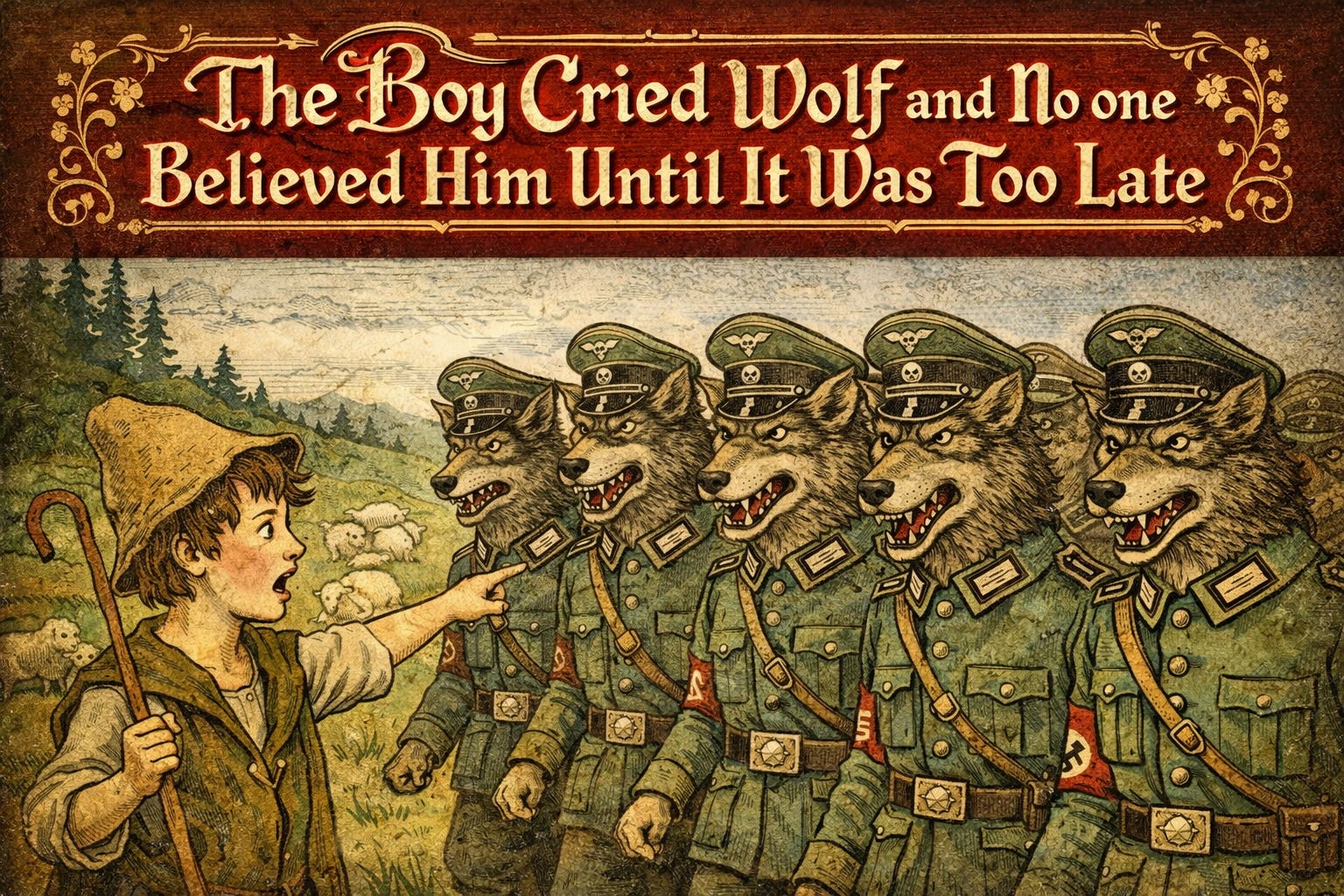
The parable of the boy who cried wolf has endured as a timeless cautionary tale, its lessons echoing across cultures and centuries. Yet, as we witness the unfolding of contemporary crises, it becomes increasingly clear that this fable holds a deeper relevance than mere moral platitude. In a world brimming with complex challenges, from geopolitical tensions to economic upheavals, the consequences of dismissing early warning signs can be catastrophic.
The Perils of Disbelief In the original story, the shepherd boy's repeated false alarms ultimately lead to the villagers' refusal to believe him when a real threat emerges. This pattern of disbelief, fueled by a sense of exasperation and betrayal, is a phenomenon that often manifests in the face of genuine crises. Whether it's the gradual buildup of environmental degradation, the rumblings of political instability, or the ominous signs of an impending economic downturn, the tendency to dismiss early warnings can have devastating consequences.
The Normalcy Bias: When Complacency Blinds Us One of the primary drivers of this disbelief is the human tendency towards the normalcy bias – the inclination to assume that the present state of affairs will continue indefinitely. This cognitive bias leads us to underestimate the likelihood and severity of potential disruptions, even when the evidence is mounting. In the face of a rapidly changing world, the normalcy bias can lull us into a false sense of security, rendering us ill-prepared to confront the realities that lie ahead.
Overcoming the Limits of Individual Perception The challenge of heeding early warnings is further compounded by the inherent limitations of individual perception. As human beings, our understanding of complex global issues is often shaped by our immediate surroundings, personal experiences, and biases. This can lead us to dismiss or downplay signals that may be apparent to those with a broader or more specialized perspective. Recognizing and transcending these limitations is crucial in navigating the treacherous waters of a volatile world.
Building a Culture of Vigilance Ultimately, the lesson of the boy who cried wolf extends far beyond the individual. It highlights the importance of cultivating a collective mindset that is attuned to early warning signs and willing to take action. This requires a shift in societal attitudes, where skepticism and disbelief are replaced by a culture of vigilance and proactive response. By fostering an environment that encourages the active consideration of potential threats, we can increase the likelihood of timely and effective interventions, mitigating the devastating consequences that can arise from unheeded warnings.
In a world where the stakes have never been higher, the parable of the boy who cried wolf serves as a poignant reminder of the perils of disbelief. By heeding the lessons of the past and building a more responsive and resilient society, we can better navigate the uncertainties of the present and the challenges of the future.
"The truth doesn't hide. It waits for those brave enough to look."
The Wise Wolf