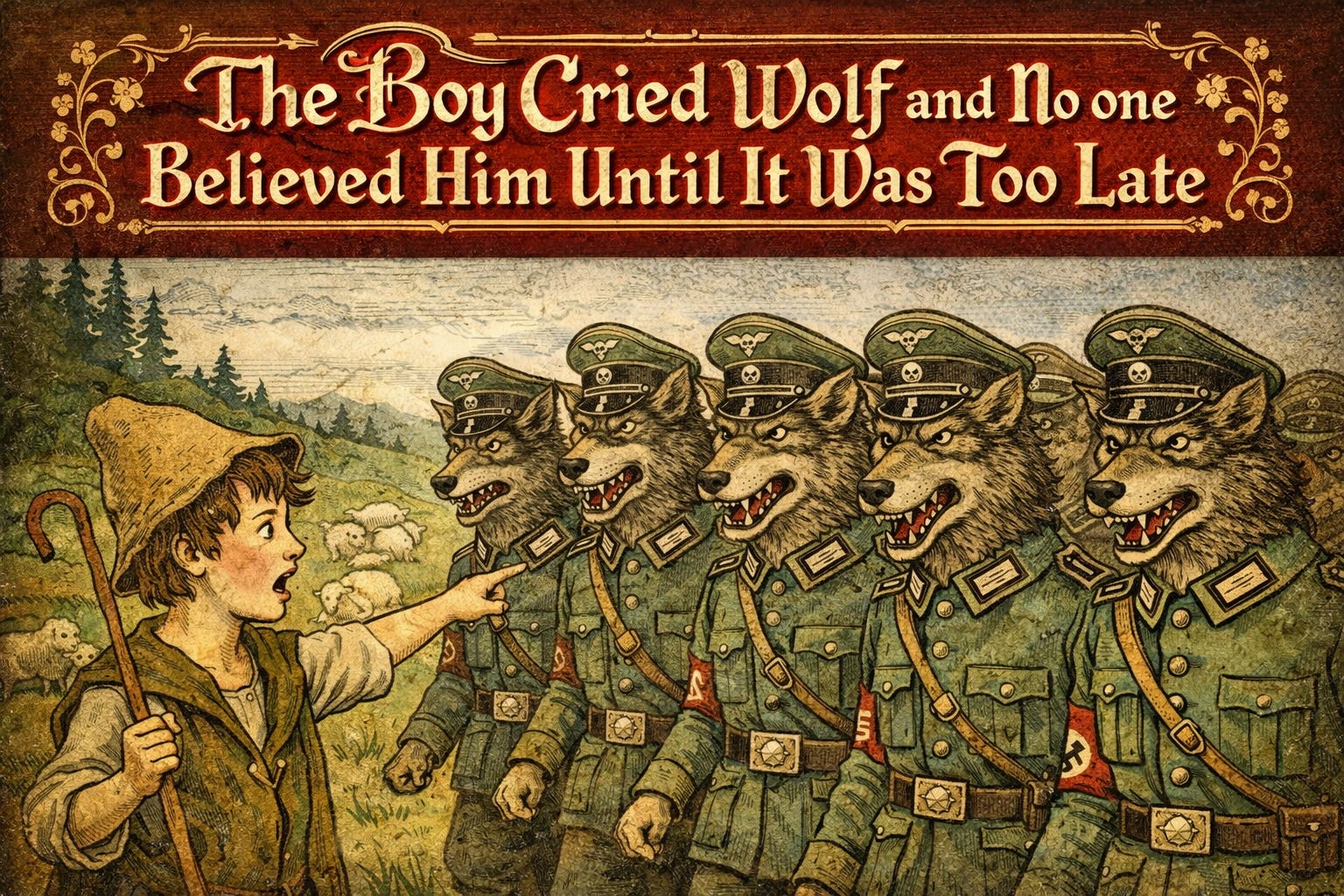
The classic tale of the boy who cried wolf serves as a poignant metaphor for the fragility of trust and the consequences of losing credibility. In today's rapidly changing world, marked by economic uncertainty and political turmoil, this timeless story holds valuable insights for individuals, communities, and even nations grappling with the challenges of maintaining trust and navigating the unpredictable landscape of modern life.
Cry Wolf or Cry Wolf: The Perils of Misinformation
At the heart of the boy's story lies a cautionary tale about the dangers of spreading misinformation and false alarms. In a world where the proliferation of fake news and sensationalized narratives have become a growing concern, the lesson of the boy who cried wolf serves as a stark reminder of the importance of maintaining credibility and being truthful, even in the face of boredom or a desire for attention.
As individuals, we must be mindful of the impact our words and actions can have on the trust placed in us by those around us. Whether it's in our personal relationships, professional endeavors, or civic engagements, a single instance of dishonesty or exaggeration can erode the foundation of trust, making it increasingly difficult to be believed when a genuine crisis arises.
The Power of Accountability and Second Chances
The story also highlights the challenges of regaining trust once it has been lost. Despite the boy's initial pleas for help, the villagers eventually became desensitized to his cries, unable to distinguish between his false alarms and a genuine threat. This dynamic serves as a poignant metaphor for the difficulty of rebuilding trust in the aftermath of a betrayal or a series of broken promises.
In the context of economic or political upheaval, this lesson becomes particularly relevant. When institutions, leaders, or systems fail to deliver on their promises or are perceived as untrustworthy, the public's faith can be shattered, leading to a climate of skepticism and disengagement. Rebuilding that trust requires a concerted effort to demonstrate accountability, transparency, and a genuine commitment to addressing the underlying issues.
Embracing Resilience and Adaptability
The boy's story, however, also offers a glimmer of hope. While the consequences of his actions were dire, the tale itself has endured as a timeless cautionary tale, serving as a touchstone for generations in understanding the importance of honesty, integrity, and learning from one's mistakes.
In a world that is constantly in flux, the ability to adapt and build resilience becomes increasingly crucial. Just as the villagers in the story had to find a way to move forward despite their initial betrayal, individuals, communities, and nations must cultivate the flexibility to navigate uncertainty and the willingness to give second chances when warranted.
By embracing the lessons of the boy who cried wolf, we can learn to navigate the complexities of modern life with a renewed sense of purpose, honesty, and commitment to rebuilding trust – even in the face of daunting challenges.
"The truth doesn't hide. It waits for those brave enough to look."
The Wise Wolf