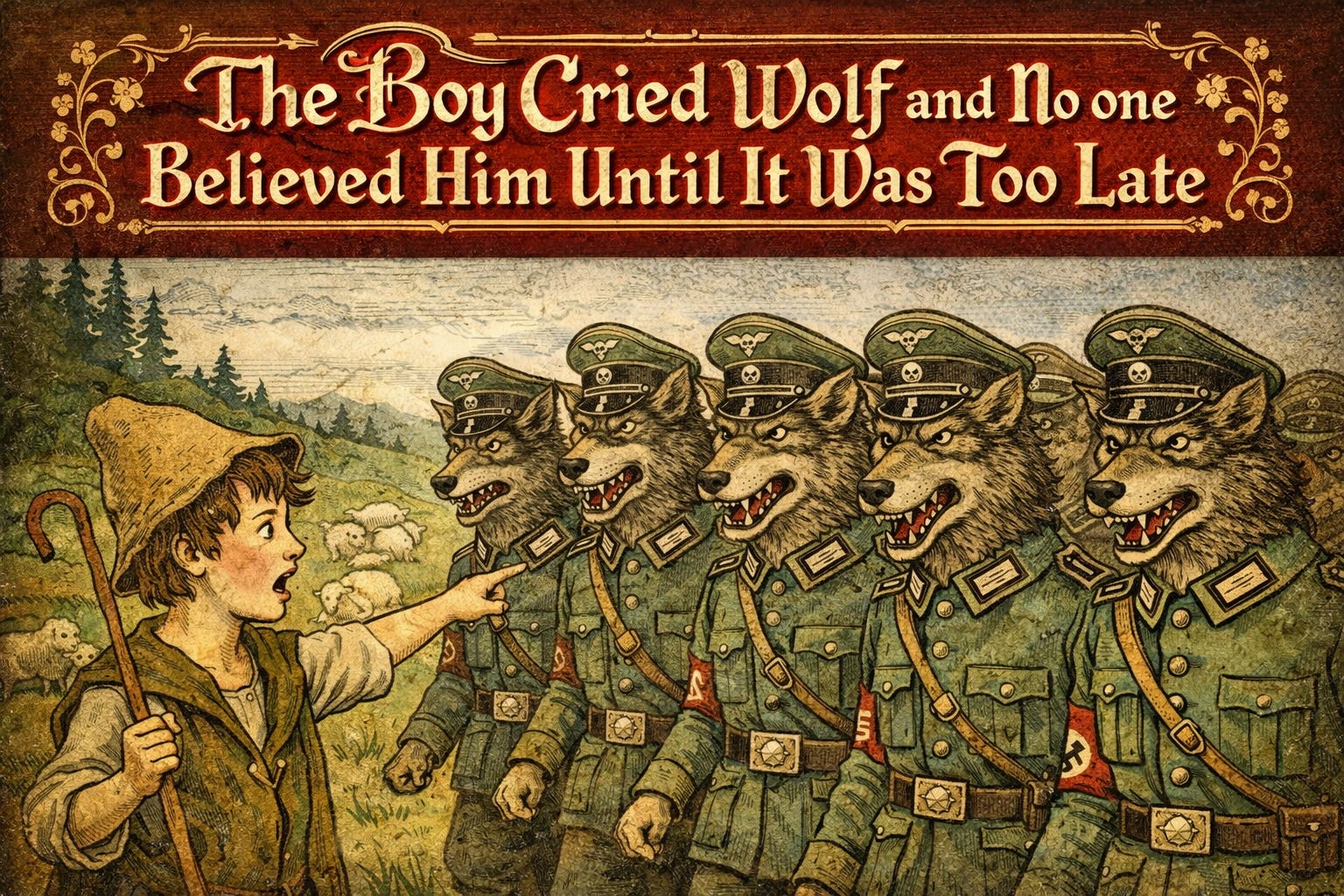
Amidst the chaos of our modern world, we are often bombarded with cries of impending doom, from economic collapse to social unrest. Like the villagers in the classic fable, we find ourselves torn between heeding the warnings and dismissing them as mere fabrications. Yet, as the story of the boy who cried wolf reminds us, there is a delicate balance between maintaining vigilance and preserving our trust in the face of uncertainty.
## The Perils of Indifference
The tale of the shepherd boy who deceived his community time and time again serves as a cautionary tale for our own age. When we become desensitized to the warnings around us, whether they be about financial crises, geopolitical tensions, or environmental threats, we risk missing the genuine signals that demand our attention. Like the villagers who ultimately paid the price for their complacency, we must guard against the temptation to dismiss every alarm as another false alarm.
## Rebuilding Trust in Turbulent Times
Yet, in the face of such widespread distrust, how can we hope to regain the faith of a jaded public? The answer lies in a careful balance of transparency, consistency, and empathy. Leaders and institutions must strive to earn back the trust of their constituents by acknowledging past missteps, providing clear and reliable information, and demonstrating a genuine commitment to addressing the challenges at hand.
This process of rebuilding trust is no easy feat, as it requires a delicate dance between acknowledging the validity of public skepticism and offering a compelling vision for the future. It is a journey fraught with setbacks and challenges, but one that is essential for navigating the turbulent waters of our time.
## Cultivating Resilience in Uncertain Times
As we grapple with the complexities of our modern world, it is easy to succumb to a sense of helplessness and resignation. Yet, the story of the boy who cried wolf offers us a glimmer of hope. By learning from the mistakes of the past, we can cultivate the resilience necessary to weather the storms that lie ahead.
This resilience manifests in our ability to maintain a critical eye, to question the narratives we are presented, and to seek out diverse perspectives. It also requires a willingness to engage in difficult conversations, to challenge our own assumptions, and to remain open to the possibility of change.
In doing so, we can reclaim our role as active participants in shaping the future, rather than passive victims of circumstance. By embracing the lessons of the past and applying them to the present, we can build a more robust and trustworthy society – one that is better equipped to navigate the unpredictable landscape of our times.
"The truth doesn't hide. It waits for those brave enough to look."
The Wise Wolf