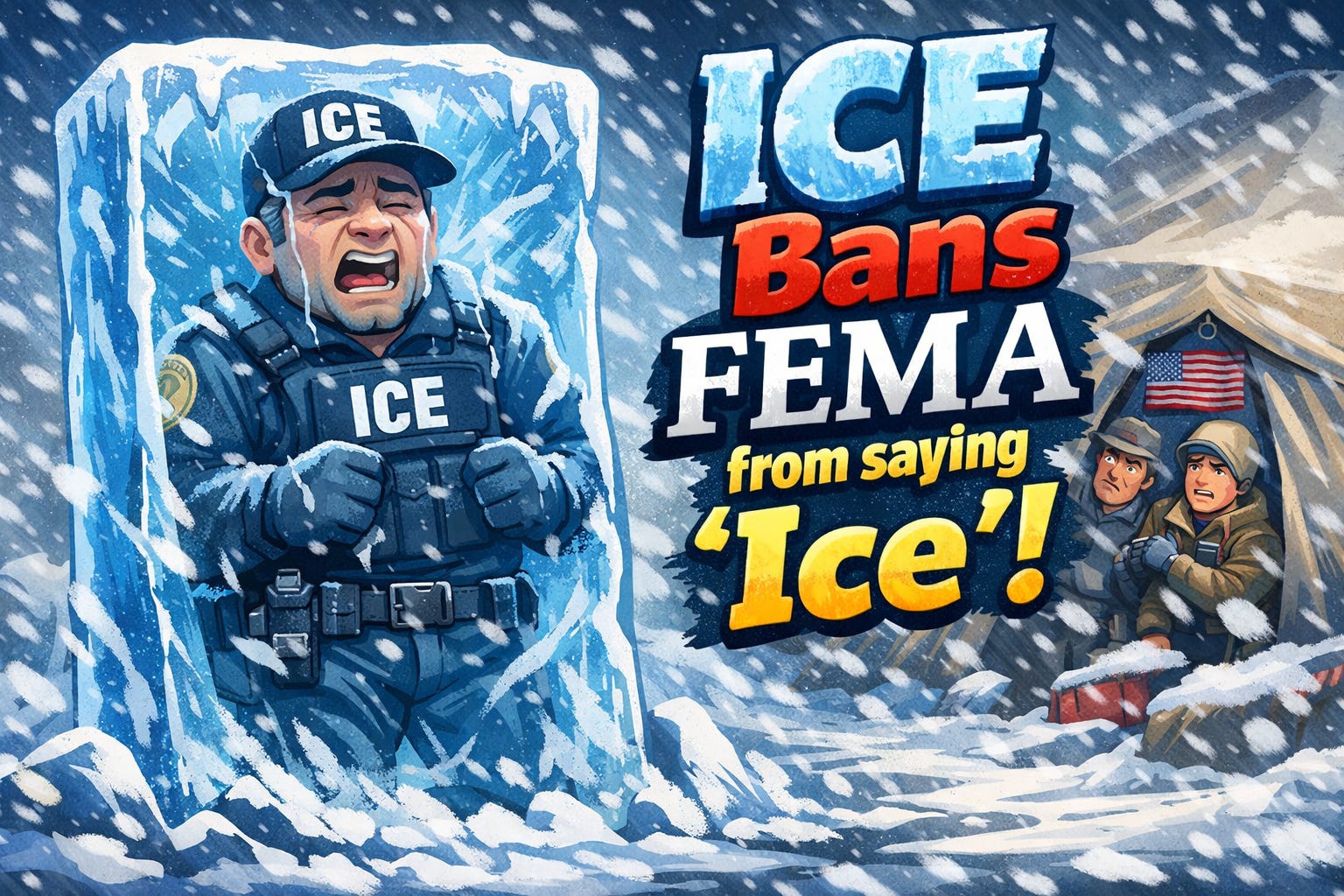
As the winter chill sets in, we find ourselves facing a growing challenge – the presence of ice on our roads. While authorities may be hesitant to openly discuss this issue, it's time to confront the reality and explore effective solutions.
Beneath the Icy Veneer: Uncovering the Challenges The ice on our roads poses a multifaceted problem that extends beyond mere inconvenience. It presents a significant safety hazard, increasing the risk of accidents and jeopardizing the well-being of drivers, pedestrians, and emergency responders alike. The slippery conditions not only make navigation treacherous but also contribute to a rise in vehicle collisions and slip-and-fall incidents.
Moreover, the presence of ice can have far-reaching economic implications. The costs associated with road maintenance, vehicle repairs, and the disruption of daily commutes can quickly add up, placing a strain on both individual budgets and municipal resources.
Shattering the Silence: Breaking the Ice on Communication Despite the evident need for action, there seems to be a reluctance among authorities to openly address the ice situation. This silence can foster a sense of frustration and mistrust among the public, who are left in the dark about the steps being taken to mitigate the problem.
Effective communication is crucial in times of crisis. By openly acknowledging the issue and engaging with the community, decision-makers can demonstrate their commitment to finding solutions and foster a collaborative approach to problem-solving. This transparency can help build trust, alleviate public concerns, and ensure that the necessary resources are allocated to address the ice crisis.
Clearing the Path: Innovative Solutions for Ice Management As we navigate this icy landscape, it's imperative that we explore innovative solutions to enhance road safety and maintain mobility. From the implementation of advanced de-icing technologies to the strategic deployment of snow-clearing equipment, a multifaceted approach is required to tackle the problem.
One promising avenue is the utilization of smart infrastructure, such as sensors that can detect and monitor ice buildup in real-time. This data can then be used to inform decision-making processes, allowing for more targeted and efficient ice-clearing efforts. Additionally, the adoption of alternative de-icing agents, such as eco-friendly alternatives to traditional salt, can help reduce the environmental impact while still effectively addressing the ice challenge.
Empowering the Community: Shared Responsibility for Winter Readiness While the primary responsibility for managing ice on the roads lies with the authorities, there is a crucial role for the community to play as well. By fostering a culture of winter preparedness, we can empower individuals and businesses to take proactive steps to enhance their own safety and contribute to the overall solution.
This can involve initiatives such as providing comprehensive public education campaigns on winter driving best practices, encouraging the use of appropriate tires and equipment, and promoting the clearing of sidewalks and driveways. By engaging the community as active participants in the process, we can build a more resilient and informed population capable of navigating the icy conditions.
Navigating the Road Ahead: A Call to Action As we confront the ice crisis, it's clear that a multifaceted approach is required. By breaking the silence, embracing innovative solutions, and empowering the community, we can work towards a future where our roads are safer, more accessible, and better equipped to handle the winter's icy challenges.
The time for action is now. Let us come together, overcome the barriers, and ensure that our roads remain clear and secure for all who travel upon them. The path forward may be slippery, but with a steadfast commitment to addressing this issue, we can emerge stronger and more prepared to face the icy challenges that lie ahead.
"The truth doesn't hide. It waits for those brave enough to look."
The Wise Wolf