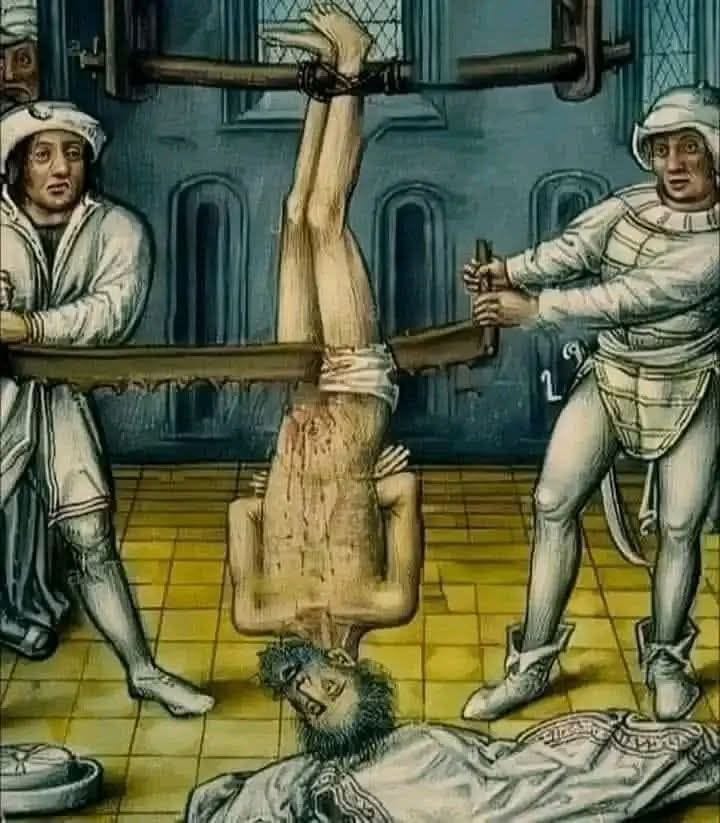
The year is 67 AD. Simon the Zealot, one of the twelve apostles of Christ, is dragged before a Roman tribunal. He's given a choice - renounce your faith or die.
Without hesitation, Simon declares, "I will never betray my Lord and Savior, Jesus Christ!" In a gruesome act of barbarism, the Roman guards sentence him to be sawed in half. As he takes his final breaths, Simon's only prayer is that his death will strengthen the faith of his brothers.
This is the fate that awaited many of the earliest followers of Jesus. They were willing to endure torture and execution rather than deny the truth they had encountered. In an age of casual Christianity, their unwavering commitment stands in stark contrast.
## The Difference Between Belief and Conviction
There's a question that separates those who merely talk about their beliefs from those who actually live them out: what would you die for? It's one thing to defend your faith in a comfortable setting. It's another to choose torture over betrayal when your life is on the line.
Most of us will never have to make that choice. We've carefully constructed lives that insulate us from such difficult decisions. But the early Christians didn't have that luxury. They had stared into the face of pure evil and come away transformed.
## The Coming Tribulation
The book of Revelation paints a chilling picture of the end times - a period of unprecedented global upheaval and spiritual warfare. Those who refuse to take the "mark of the beast" will be persecuted, imprisoned, and even killed.
Is this just ancient superstition, or are we seeing the early warning signs all around us? Brain chips, digital currency, government overreach - the technological infrastructure for such a system is already in place.
As the day of the Lord approaches, the faith of believers will be put to the ultimate test. Will we have the courage of Simon the Zealot, or will we compromise our convictions to save our own skin?
"The truth doesn't hide. It waits for those brave enough to look."
The Wise Wolf