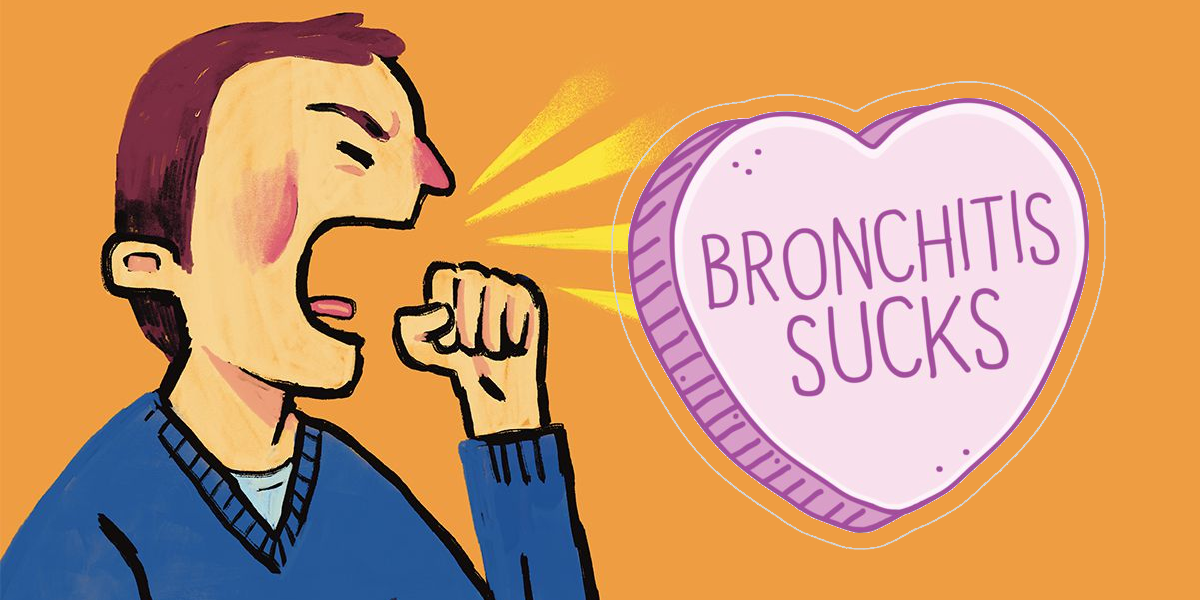
Bronchitis can be a frustrating and debilitating illness, but it doesn't have to derail your life. As a common respiratory condition, understanding the symptoms, causes, and effective treatment options can empower you to take control and bounce back stronger than ever. In this comprehensive beginner's guide, we'll explore the ins and outs of bronchitis, equipping you with the knowledge and tools to navigate this challenge with confidence.
Unraveling the Mystery of Bronchitis Bronchitis is a respiratory infection that occurs when the bronchial tubes, the airways that connect the trachea (windpipe) to the lungs, become inflamed. This inflammation can lead to the production of excess mucus, making it difficult to breathe and cough effectively. Bronchitis can be classified as either acute or chronic, with acute bronchitis typically lasting for a shorter duration and chronic bronchitis being a more persistent condition.
Identifying the Symptoms of Bronchitis Recognizing the telltale signs of bronchitis is the first step in seeking appropriate treatment. Common symptoms include a persistent cough, often accompanied by the production of mucus, chest discomfort or tightness, wheezing, and difficulty breathing. Some individuals may also experience fever, chills, and a general sense of fatigue. It's important to pay attention to the duration and intensity of these symptoms, as they can help distinguish between acute and chronic bronchitis.
Mastering the Art of Bronchitis Treatment Fortunately, there are various treatment options available to manage the symptoms of bronchitis and facilitate a speedy recovery. The approach often depends on the underlying cause, the severity of the condition, and the individual's overall health status.
1. Rest and Recuperation: One of the most important aspects of bronchitis treatment is allowing your body the time and space it needs to heal. This means prioritizing rest, avoiding strenuous activities, and getting plenty of sleep. Adequate rest can help alleviate fatigue and support the immune system's efforts to combat the infection.
2. Hydration and Respiratory Soothing: Staying well-hydrated is crucial for thinning out mucus and making it easier to cough up. Drinking plenty of fluids, such as water, herbal teas, and warm broths, can help provide relief. Additionally, using a humidifier or taking steamy showers can help soothe the irritated airways and promote easier breathing.
3. Medication Management: In some cases, healthcare professionals may prescribe medications to alleviate the symptoms of bronchitis. This can include over-the-counter cough suppressants, decongestants, or anti-inflammatory drugs to reduce inflammation and ease discomfort. In more severe cases, antibiotics may be prescribed to treat any underlying bacterial infections.
4. Lifestyle Adjustments: Certain lifestyle modifications can also play a significant role in managing bronchitis. Avoiding exposure to irritants, such as smoke, dust, and pollutants, can help minimize further inflammation. Incorporating gentle exercise, such as light walking or yoga, can help improve lung function and promote overall well-being.
Embracing a Holistic Approach to Bronchitis Recovery While the road to recovery from bronchitis may not be a straight line, a comprehensive and multifaceted approach can greatly improve your chances of a swift and successful healing process. By understanding the nature of the condition, recognizing the symptoms, and implementing effective treatment strategies, you can take control of your health and reclaim your sense of vitality.
Remember, it's essential to consult with a healthcare professional if your symptoms persist or worsen, as they can provide personalized guidance and ensure you receive the appropriate care. With the right knowledge and a proactive mindset, you can overcome the challenges of bronchitis and emerge stronger than ever before.
"The truth doesn't hide. It waits for those brave enough to look."
The Wise Wolf