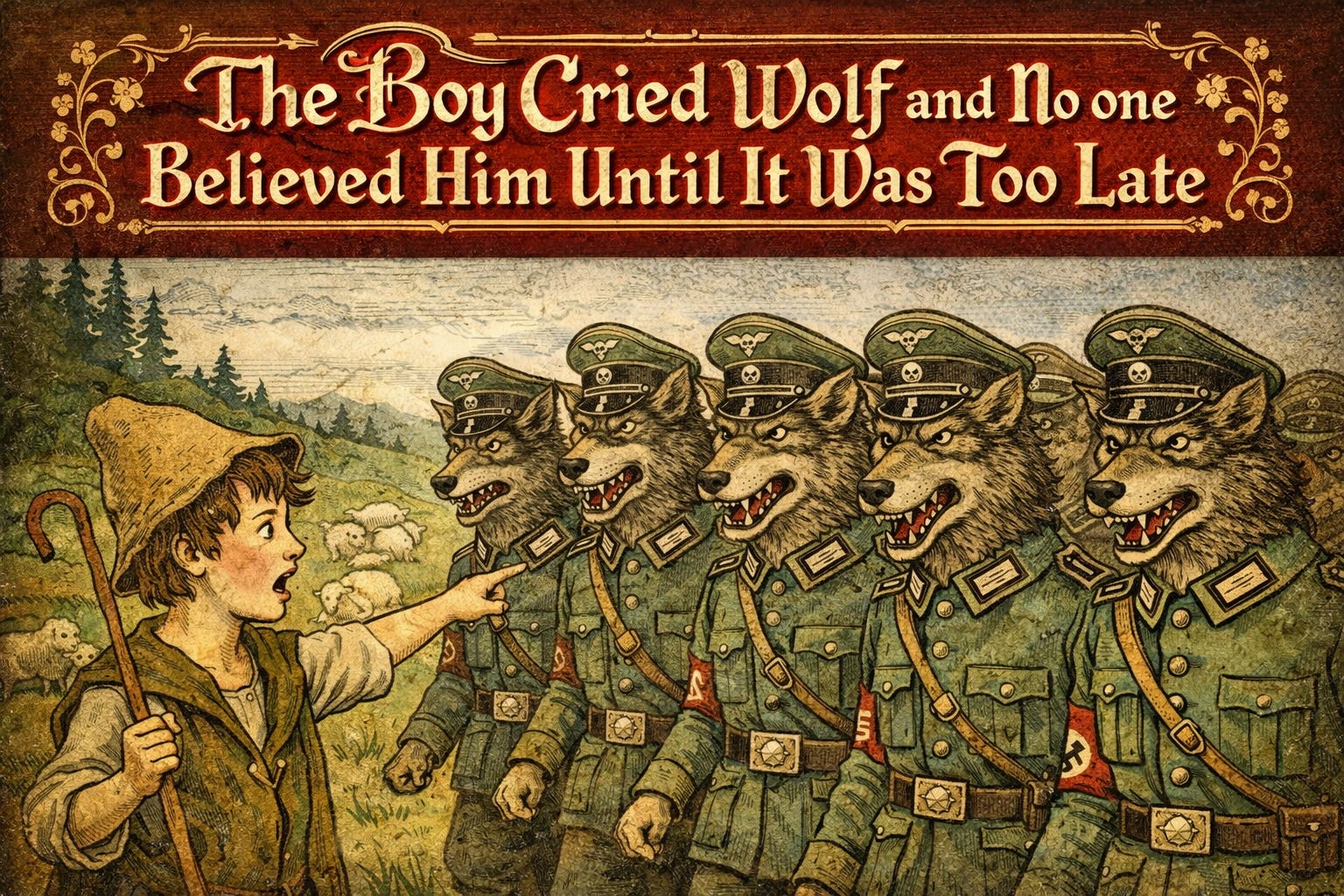
The Age-Old Lesson of the Boy Who Cried Wolf
We've all heard the classic fable of the shepherd boy who, out of boredom and a desire for attention, repeatedly cried "Wolf!" when there was no real threat. Initially, the villagers came running to his aid, only to find his claims were false. After a few instances of this, they eventually stopped responding, dismissing the boy's warnings as the desperate pleas of a liar. And when a real wolf finally did arrive, the villagers ignored the boy's cries, leading to the tragic loss of his flock.
This cautionary tale serves as a poignant metaphor for the dangers of ignoring clear warning signs, whether in our personal lives or on a larger societal scale. Just as the villagers became desensitized to the boy's cries, we too can find ourselves tuning out legitimate concerns, often with devastating consequences.
The Perils of Economic Collapse and the Missed Signals
One powerful example of this dynamic can be seen in the lead-up to the 2008 global financial crisis. For years, financial experts and economists had been sounding the alarm about the unsustainable practices and risky behavior in the housing and banking sectors. However, their warnings were often dismissed or downplayed by policymakers, industry leaders, and the general public, who were lulled into a false sense of security by the seemingly robust economy.
Much like the villagers in the fable, we collectively ignored the clear signs of impending disaster, choosing to believe that the good times would continue indefinitely. When the crisis finally erupted, the consequences were severe, with millions of people losing their homes, their jobs, and their life savings.
The Blindness of Ideological Rigidity
This tendency to ignore warning signs is not limited to economic crises; it can be observed in a wide range of societal and political contexts as well. Consider the rise of authoritarian regimes, for example. Time and time again, we have seen democratically elected leaders gradually erode the institutions and safeguards that protect individual freedoms, often under the guise of "restoring order" or "protecting national interests."
Yet, even as these leaders tighten their grip on power and trample on the rights of their citizens, there are always those who refuse to acknowledge the gravity of the situation. They dismiss the concerns of dissidents and human rights advocates as "alarmist" or "politically motivated," clinging to the belief that "it can't happen here." And just as in the boy who cried wolf, by the time they realize the true nature of the threat, it may be too late to do anything about it.
Heeding the Warnings and Building Resilience
The moral of the story is clear: we must be vigilant in recognizing and responding to legitimate warning signs, even if they conflict with our preconceived notions or challenge our comfortable assumptions. This requires cultivating a critical mindset, one that is willing to question the dominant narratives and seek out alternative perspectives.
Moreover, we must also work to build robust, resilient systems that can withstand the shocks of unexpected crises. This means investing in robust social safety nets, diversifying our economic dependencies, and fostering a culture of civic engagement and community-based problem-solving.
By heeding the lessons of the boy who cried wolf, we can avoid the tragic consequences of ignoring the clear signals of impending disaster, whether they come from economic data, political dissidents, or the cries of those on the margins of society. Only by remaining alert and responsive to these warning signs can we hope to build a more just, equitable, and sustainable future.
"The truth doesn't hide. It waits for those brave enough to look."
The Wise Wolf