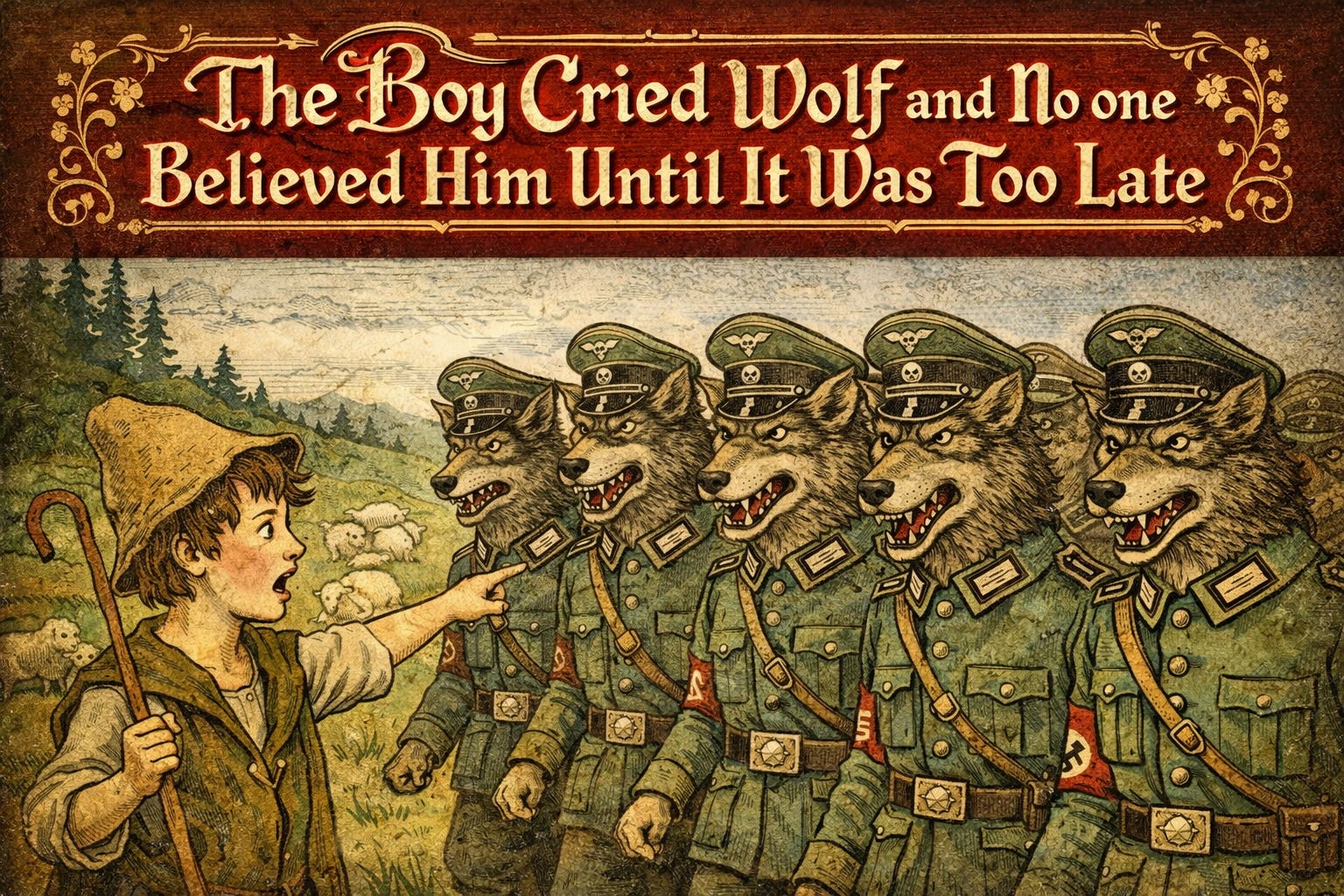
The story of the boy who cried wolf has long been a cautionary tale, warning us about the consequences of dishonesty and the importance of maintaining trust. But what if we look at this classic fable through a different lens? What if we explore the deeper lessons it holds, not just for individuals, but for entire societies facing the specter of economic collapse?
Lessons from the Shepherd Boy
The shepherd boy's actions, while seemingly harmless at first, reveal a troubling pattern of behavior that can have far-reaching implications. By repeatedly raising false alarms, he not only betrayed the trust of the villagers but also desensitized them to the genuine threat of the wolf. When the real danger finally arrived, the villagers were too jaded to respond, leading to devastating consequences.
This scenario is a stark reminder that trust is a fragile commodity, easily eroded by even the smallest transgressions. Just as the villagers became increasingly skeptical of the boy's cries, so too can a society's confidence in its institutions and leaders be shaken by a steady stream of broken promises and false assurances.
The Wolf in the Room: Economic Collapse
The metaphor of the wolf, in this case, can be extended to the looming threat of economic collapse. Just as the villagers were unprepared to face the real danger, many societies today find themselves in a precarious position, having been lulled into a false sense of security by those in positions of power.
Subheading 1: The Perils of Denial When the signs of economic trouble start to surface, it's all too easy for those in charge to downplay the severity of the situation, dismissing the concerns of the public as exaggerated or unfounded. This denial, much like the villagers' refusal to believe the boy's cries, can ultimately lead to catastrophic consequences.
Subheading 2: The Consequences of Broken Trust As the economic landscape becomes increasingly unstable, the public's trust in their leaders and institutions can erode rapidly. Just as the villagers lost faith in the shepherd boy, so too can a population lose faith in their government's ability to navigate a financial crisis effectively.
Subheading 3: The Importance of Transparency and Accountability To avoid the fate of the villagers, it's crucial for those in positions of power to approach economic challenges with transparency and accountability. Hiding or misrepresenting the true nature of the problems at hand only serves to undermine public confidence, making the eventual collapse all the more devastating.
Subheading 4: Learning from the Past, Preparing for the Future The story of the boy who cried wolf serves as a powerful reminder that we must heed the warning signs, even when they come from sources we've learned to mistrust. By learning from the past and being proactive in our approach to economic challenges, we can better prepare ourselves and our communities for the wolves that may be lurking just beyond the horizon.
In the end, the tale of the shepherd boy and the wolf is not just a children's fable, but a timeless lesson in the importance of honesty, transparency, and responsible leadership. By heeding its warnings, we can work to build a more resilient and trustworthy society, one that is better equipped to weather the storms of economic collapse and emerge stronger on the other side.
"The truth doesn't hide. It waits for those brave enough to look."
The Wise Wolf