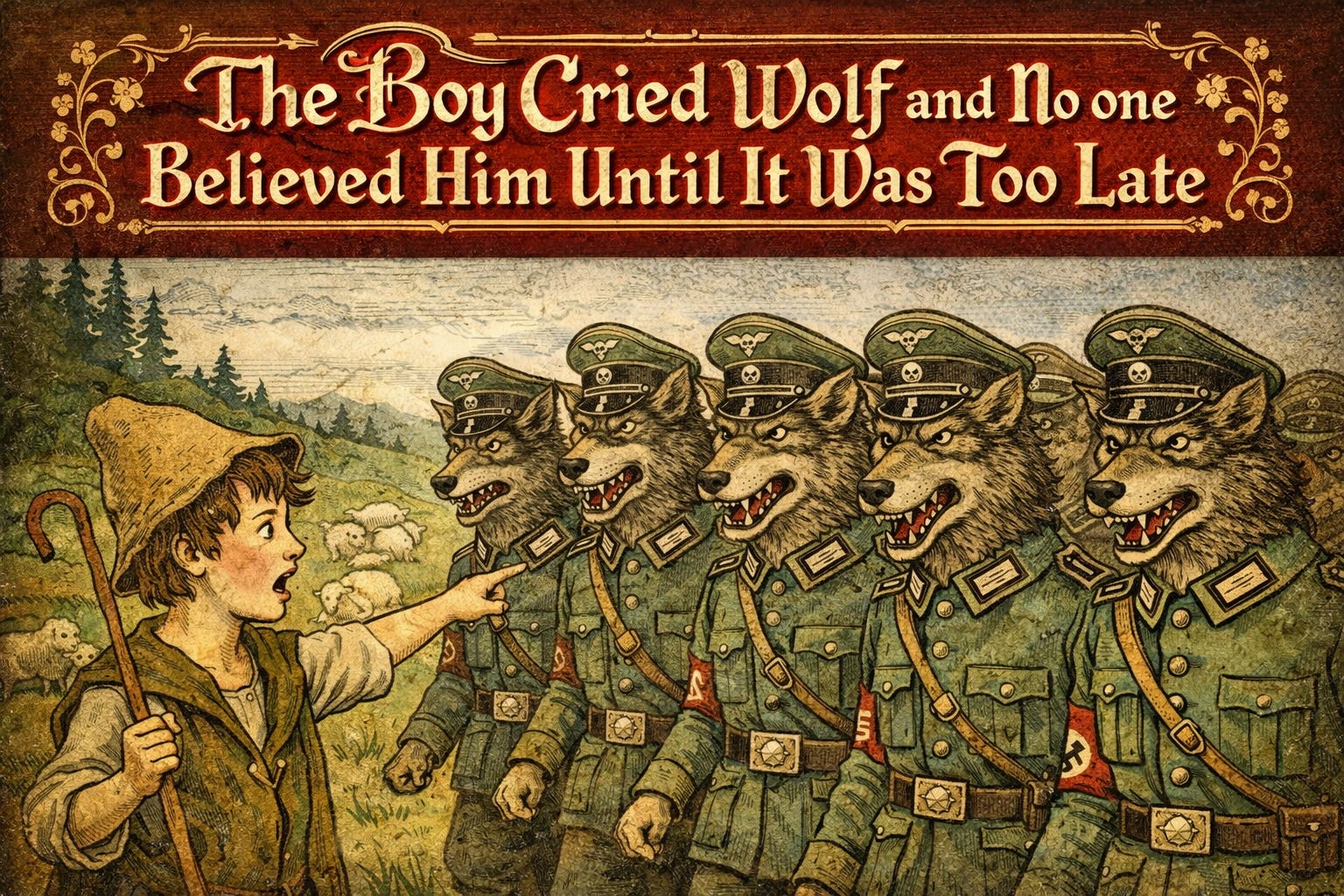
The classic fable of the boy who cried wolf has long been a staple in our cultural consciousness, imparting valuable lessons about the consequences of deception and the importance of maintaining credibility. However, this timeless tale can also be viewed through a broader lens, revealing insights into the challenges faced by individuals and societies in the face of economic uncertainty and instability.
Crying Wolf in the Face of Economic Turmoil
Much like the villagers in the fable, modern society is no stranger to the cries of impending economic doom. From predictions of financial crises to warnings of market crashes, we are bombarded with a constant stream of alarmist rhetoric, often leaving us feeling overwhelmed and unsure of whom to trust.
Just as the boy in the story cried wolf to gain attention and amusement, some individuals and organizations may be tempted to exaggerate or even fabricate economic concerns for their own gain, whether it be political maneuvering, media sensationalism, or personal profit. When these false alarms repeatedly fail to materialize, the public's trust in the credibility of such warnings can become severely eroded.
The Importance of Discernment in Times of Uncertainty
The lesson of the boy who cried wolf is not just about the consequences of dishonesty, but also the critical importance of discernment and rational decision-making, even in the face of seemingly dire circumstances.
Subheading 1: Maintaining Credibility in the Face of Economic Uncertainty
When the villagers in the fable eventually disregarded the boy's cries of wolf, it was not because they were unconcerned about the safety of their flock, but because they had been repeatedly deceived. In the same way, as individuals and policymakers, we must be vigilant in separating genuine economic concerns from those driven by ulterior motives or a desire for attention.
By maintaining a critical eye and relying on authoritative, well-researched sources, we can better navigate the complex landscape of economic forecasting and decision-making. This not only helps us to make informed choices but also preserves the credibility of those who sound the alarm when a true crisis is on the horizon.
Subheading 2: Building Resilience in the Face of Economic Volatility
Just as the villagers in the story ultimately suffered the consequences of their disbelief, societies and economies can face devastating consequences when they are unprepared for genuine economic challenges. However, by cultivating a culture of resilience and adaptability, we can better weather the storms of economic turmoil.
This resilience can take many forms, from diversifying investments and savings to fostering innovation and entrepreneurship. It may also involve strengthening social safety nets, investing in education and workforce development, and promoting policies that encourage economic stability and growth.
By building this foundation of resilience, we can be better equipped to withstand the unexpected and respond effectively to genuine economic threats, without falling victim to the cries of those who would seek to undermine our trust and undermine our collective well-being.
"The truth doesn't hide. It waits for those brave enough to look."
The Wise Wolf