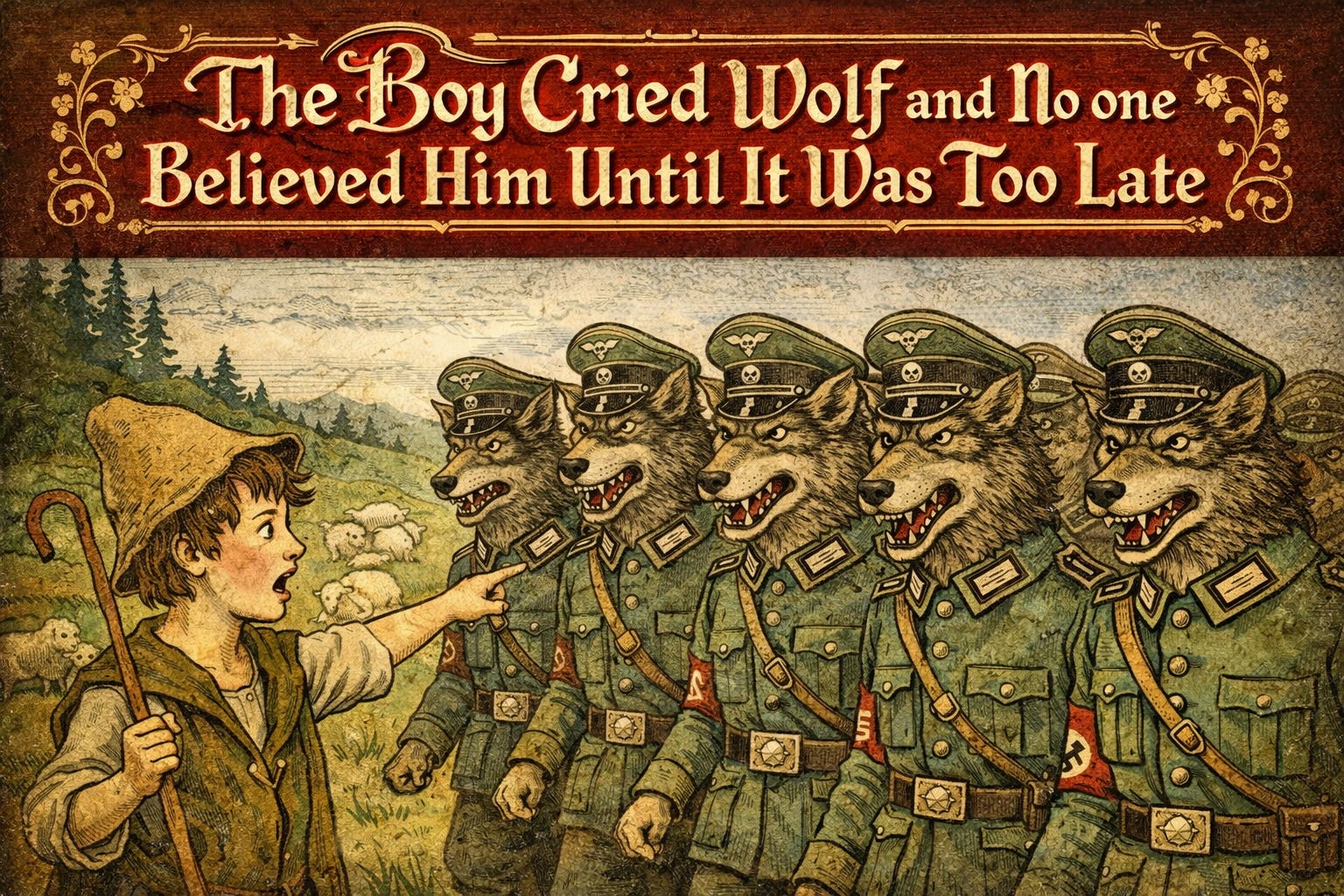
In a world where truth and deception often intertwine, the classic fable of the boy who cried wolf serves as a poignant reminder of the consequences that can arise when credibility is lost. This timeless tale, rooted in the depths of human nature, transcends the boundaries of its pastoral setting, offering invaluable insights into the fragile nature of trust and the delicate balance that must be struck between individual actions and societal well-being.
The Fable Revisited: Understanding the Dynamics of Credibility
At the heart of the story lies a young shepherd who, driven by a desire for attention or amusement, decides to manipulate the fears and trust of his community. By repeatedly raising the alarm of a wolf's presence, when in reality, no such threat existed, the boy gradually erodes the villagers' faith in his warnings. This erosion of credibility has far-reaching implications, as the villagers, having been deceived one too many times, ultimately fail to respond when a genuine crisis arises.
The Ripple Effect of Lost Credibility
The boy's actions, though seemingly harmless in the moment, ultimately trigger a cascade of consequences that reverberate through the community. As the villagers become increasingly desensitized to the boy's cries, their ability to effectively respond to genuine threats is compromised. This breakdown in societal resilience can be likened to the fragile nature of economic and political systems, where a lack of trust and credibility can lead to devastating consequences.
Lessons in Societal Resilience: Balancing Individual Actions and Collective Welfare
The cautionary tale of the boy who cried wolf serves as a poignant reminder of the delicate balance that must be struck between individual actions and the collective well-being of a society. Just as the villagers in the story paid the ultimate price for their inability to discern truth from falsehood, so too can communities and nations succumb to the corrosive effects of lost credibility and trust.
Rebuilding Trust in a Skeptical World
In an era marked by information overload, misinformation, and a growing distrust of institutions, the lessons of the boy who cried wolf take on a renewed significance. Restoring credibility and rebuilding trust within a society requires a concerted effort from both individuals and institutions. This may involve cultivating a culture of transparency, accountability, and responsible decision-making, where the consequences of individual actions are fully understood and embraced.
Ultimately, the fable of the boy who cried wolf serves as a poignant reminder that the preservation of societal resilience depends on the delicate balance between individual behavior and collective well-being. By heeding the lessons of this timeless tale, we can navigate the complexities of the modern world with greater wisdom, empathy, and a renewed commitment to upholding the values that sustain our communities.
"The truth doesn't hide. It waits for those brave enough to look."
The Wise Wolf