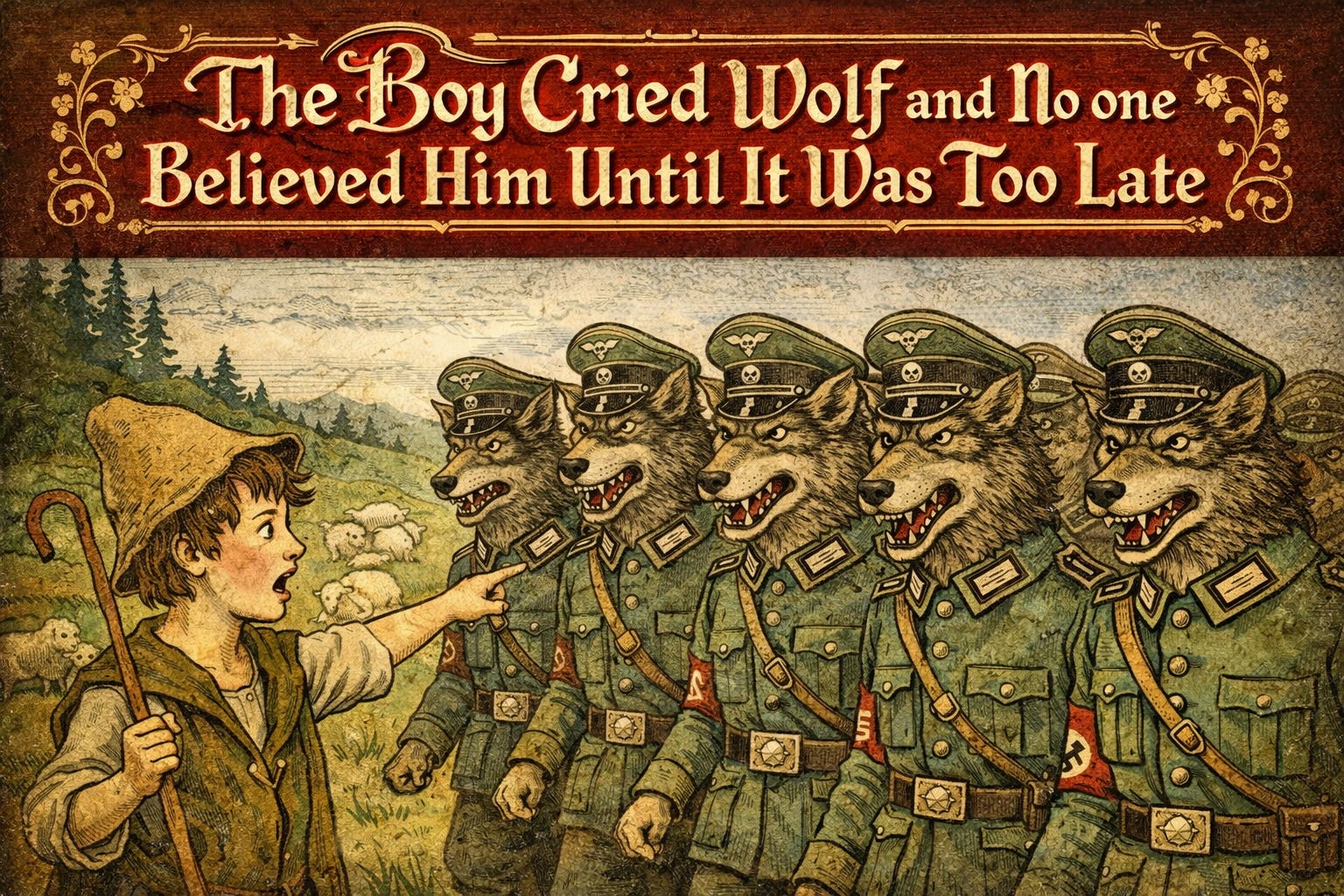
Imagine a scenario where a young boy, entrusted with the responsibility of watching over a flock of sheep, decides to play a cruel prank on the unsuspecting villagers. Repeatedly, he cries "Wolf! Wolf!" only to laugh as the villagers come rushing to his aid, only to find no wolf in sight. This familiar fable serves as a poignant warning, not just about the perils of dishonesty, but also about the potential consequences of ignoring real threats, even when they may seem improbable.
In the context of our modern world, the tale of the little boy and the wolf takes on a new and urgent significance. As we navigate the complex and ever-evolving economic landscape, we must heed the lessons of this cautionary tale, lest we find ourselves in a similar predicament – one where the wolf, in the form of economic collapse, catches us off guard and devours our livelihoods.
The Boy Who Cried "Economic Doom"
Much like the shepherd boy in the classic story, there have been those who have sounded the alarm about impending economic turmoil, only to be met with skepticism and dismissal. These "economic wolves" – the harbingers of financial crises – have been warning us for years, but their cries have often fallen on deaf ears.
Take, for instance, the housing bubble of the early 2000s. Economists and financial experts had been raising concerns about the unsustainable rise in housing prices and the risky lending practices that fueled this growth. However, their warnings were largely ignored, as the public and policymakers alike were caught up in the frenzy of the real estate boom. When the bubble finally burst, the consequences were devastating, leading to a global financial crisis that sent shockwaves through the economy.
The Boy Who Refused to Learn from History
The tragedy of the little boy's tale is that even when the wolf eventually does arrive, the villagers no longer believe his cries for help. In the same way, our collective refusal to heed the warnings of economic experts can have dire consequences when the proverbial wolf comes knocking at our door.
History is replete with examples of economic collapses that have caught nations off guard, from the Great Depression to the 2008 financial crisis. Yet, time and time again, we seem to forget the lessons of the past, dismissing the warnings of those who have studied the patterns and trends that foreshadow such events.
The Vigilant Shepherd and the Resilient Flock
To avoid the fate of the villagers in the classic tale, we must embrace the role of the vigilant shepherd, constantly scanning the horizon for potential threats and heeding the warnings of those who have the expertise and foresight to recognize them. This means staying informed about the economic landscape, listening to the voices of reason, and taking proactive steps to prepare for the eventuality of a crisis.
At the same time, we must cultivate a resilient flock – a society that is equipped to weather the storms of economic upheaval. This requires investments in education, job training, social safety nets, and the diversification of our economic foundations. By building a more robust and adaptable system, we can ensure that even if the wolf does come, we are better prepared to protect our livelihoods and weather the storm.
In the end, the tale of the little boy and the wolf is not just a story about the consequences of dishonesty and gullibility. It is a cautionary tale about the importance of vigilance, the power of heeding expert advice, and the necessity of building a resilient and adaptable economic system. As we navigate the uncertain waters of the future, let us heed the lessons of the past and ensure that when the economic wolf comes, we are ready to face it head-on.
"The truth doesn't hide. It waits for those brave enough to look."
The Wise Wolf