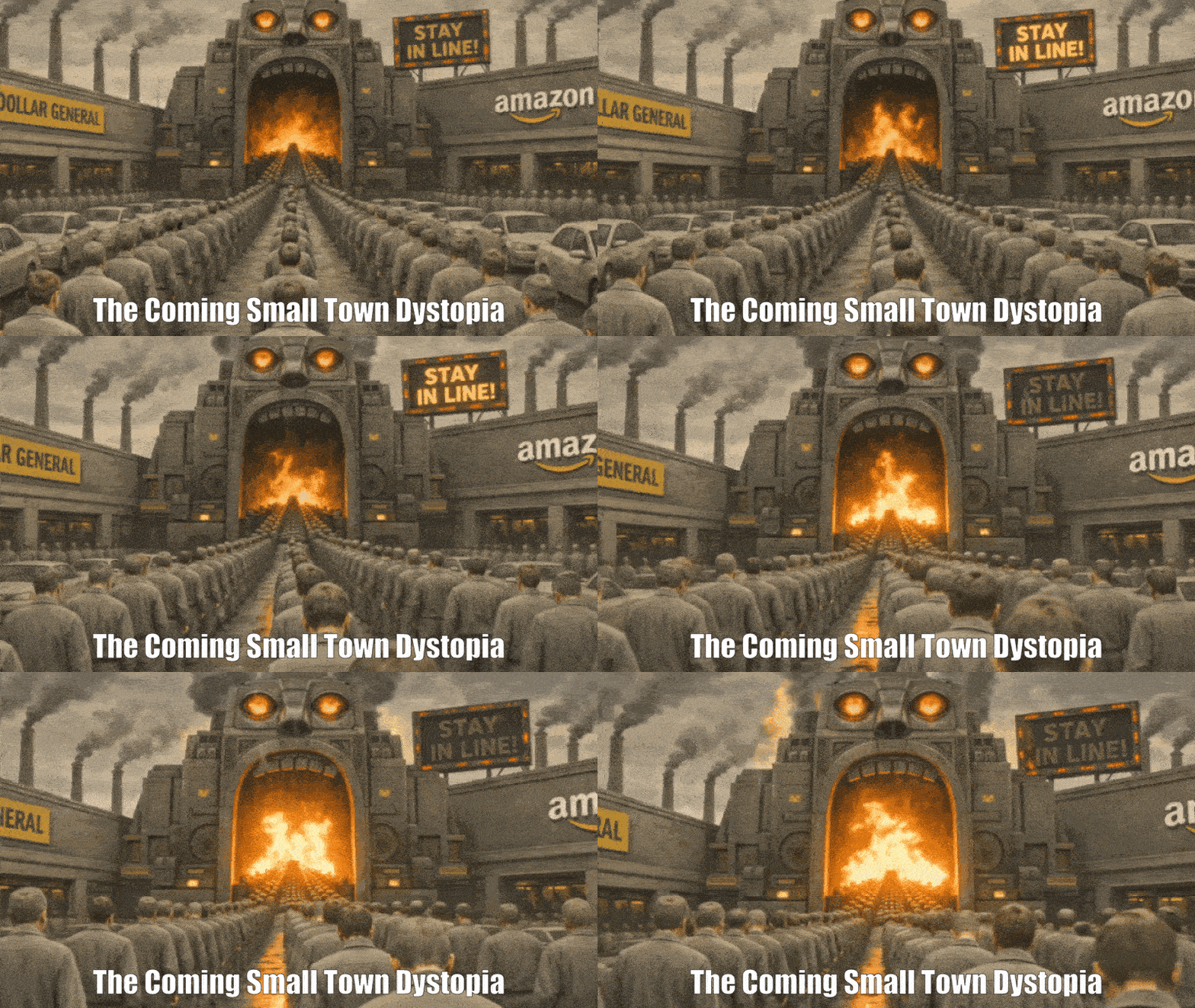
In the once-vibrant corridors of small-town America, a somber symphony plays. The familiar chimes of local shops have been replaced by the sterile hum of corporate giants, their soulless storefronts standing as monuments to the erosion of community identity. From coast to coast, the quintessential Main Street, that cherished symbol of American ingenuity and resilience, is being systematically dismantled, brick by brick, as the relentless march of homogenization sweeps across the nation.
The Rise and Fall of the American Dream
It's a tale as old as time – the promise of the American Dream, where hard work and entrepreneurial spirit were rewarded with the opportunity to build a thriving local business and forge a sense of community. But in the relentless pursuit of profit and efficiency, this dream has slowly been extinguished, replaced by a corporate monoculture that values uniformity over individuality.
The culprit? The insatiable hunger of large retail chains, whose vast resources and aggressive expansion strategies have effectively starved out the mom-and-pop shops that once defined the heart of small-town America. As these corporate behemoths set their sights on rural and suburban communities, the local economy, once a vibrant tapestry of diverse businesses, has been reduced to a patchwork of generic storefronts, each one a carbon copy of the next.
The Death of the Neighborhood Hub
The loss of these community hubs is not merely an economic one; it's a cultural and social tragedy of immense proportions. Main Street was once the beating heart of a town, a place where neighbors gathered, ideas were exchanged, and the unique character of a community was forged. But as the Dollar Generals and Family Dollars of the world have taken over, that sense of place and belonging has been systematically erased.
The homogenization of America's small towns is not just a matter of aesthetics; it's a profound shift in the way we experience and engage with our local communities. The absence of those beloved independent bookstores, quaint antique shops, and mom-and-pop diners robs us of the serendipitous encounters, the unexpected discoveries, and the intimate connections that once defined the fabric of small-town life.
The Resistance Begins
But all is not lost. Across the country, a growing movement of civic-minded individuals and community organizations are fighting back, determined to reclaim the soul of their hometowns. From grassroots efforts to support local businesses to campaigns to enact zoning laws that prioritize diversity and sustainability, the resistance is gaining momentum.
These champions of Main Street understand that the battle to preserve the heart and character of their communities is not just about economics; it's a fight for the very essence of what it means to be American. By championing the unique stories, the vibrant local cultures, and the entrepreneurial spirit that have long defined the fabric of small-town life, they are standing up to the homogenizing forces of corporate America and reclaiming the dream of a nation built on the diverse tapestry of its communities.
The Path Forward
As we grapple with the relentless march of corporate homogenization, it's clear that the future of America's small towns hangs in the balance. But within this crisis lies an opportunity – an opportunity to redefine the way we approach community development, to prioritize sustainability over short-term profits, and to champion the unique stories and vibrant cultures that have long defined the heart and soul of our nation.
By supporting local businesses, investing in community-centered initiatives, and advocating for policies that protect the diversity and character of our hometowns, we can begin to turn the tide and reclaim the dream of a truly American Main Street. It's a battle worth fighting, for the stakes are nothing less than the very essence of our national identity.
"The truth doesn't hide. It waits for those brave enough to look."
The Wise Wolf