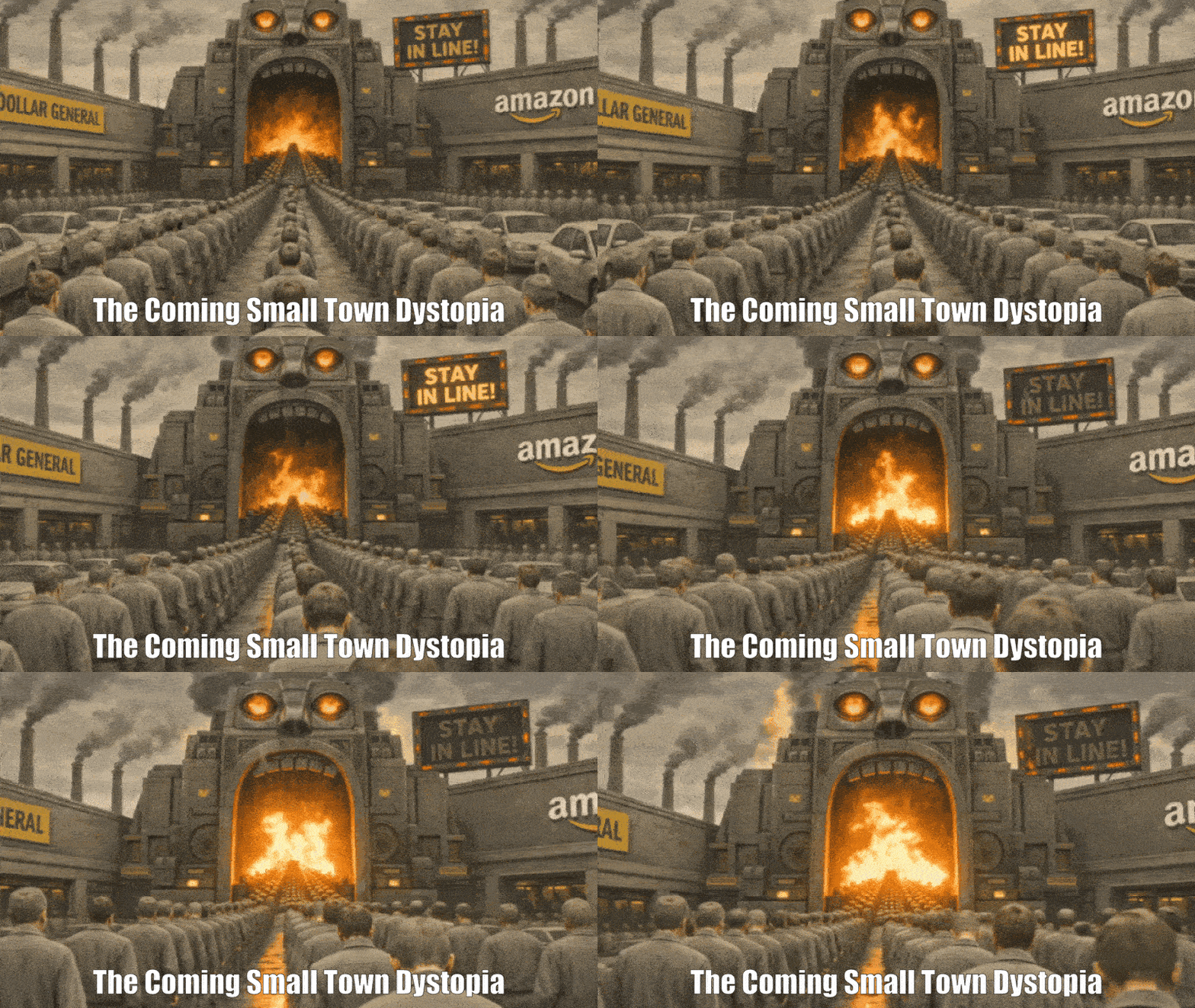
As I stroll down the once-vibrant Main Street of my hometown, I can't help but feel a sense of unease. The familiar mom-and-pop shops that once lined the streets have been replaced by a sea of generic, corporate storefronts. The soul of our community is slowly being consumed by the relentless march of big business.
It's a story that's playing out in towns and cities across America. The homogenized landscape of dollar stores, fast-food chains, and big-box retailers is slowly erasing the unique character that once defined our communities. But this isn't just about the loss of local businesses – it's about the erosion of the very fabric that holds our communities together.
The Corporate Takeover: A Silent Epidemic
When I was a child, the local hardware store was the heart of our community. It was a place where neighbors would gather to swap stories, share advice, and support one another. The owner, Mr. Johnson, knew every customer by name and went out of his way to help them find what they needed. It was more than just a store – it was a gathering place, a hub of community life.
Today, that hardware store is long gone, replaced by a soulless, impersonal big-box retailer. The personal touch, the sense of community, and the connection to our shared history – all of it has been lost. And it's not just the hardware store; it's happening to businesses of all kinds, from the family-owned bakery to the neighborhood pharmacy.
The Homogenization of Main Street
As these unique local businesses disappear, they are being replaced by a growing number of corporate chains – the Dollar Generals, the Walmarts, the Starbucks of the world. These businesses may offer convenience and low prices, but they come at a steep cost to the soul of our communities.
Gone are the days when the local diner was a gathering place for the community, where neighbors would swap stories over a hot cup of coffee. Now, it's just another generic, faceless establishment, indistinguishable from the thousands of others like it across the country.
The Importance of Community
But the loss of these local businesses isn't just about nostalgia – it's about the erosion of the very fabric that holds our communities together. When we lose these gathering places, we lose the opportunities to connect with our neighbors, to support one another, and to build the bonds that make a community truly thrive.
Without these shared spaces, our communities become fragmented and isolated. We lose the sense of belonging, the feeling of being part of something larger than ourselves. And in a world that's already so disconnected, this loss of community can have devastating consequences.
Reclaiming the Soul of Our Communities
But all is not lost. We have the power to reclaim the soul of our communities and to fight back against the homogenization of Main Street. It starts with supporting our local businesses – the mom-and-pop shops, the family-owned restaurants, the independent artisans and craftspeople. By choosing to shop local, we're not just supporting the businesses themselves – we're investing in the heart and soul of our communities.
It's also about reclaiming our shared spaces – the parks, the community centers, the town squares – and turning them into vibrant hubs of community life. By creating opportunities for people to gather, to connect, and to support one another, we can rebuild the bonds that have been eroded by the march of corporate America.
And ultimately, it's about reclaiming our sense of identity and our connection to the unique character of our communities. By embracing the diversity and individuality that makes each town and city unique, we can resist the homogenization that threatens to erase our cultural heritage.
The fight to save the soul of our communities won't be an easy one, but it's a fight worth waging. Because when we lose the heart and character of our communities, we lose a piece of ourselves – and that's a price that's simply too high to pay.
"The truth doesn't hide. It waits for those brave enough to look."
The Wise Wolf