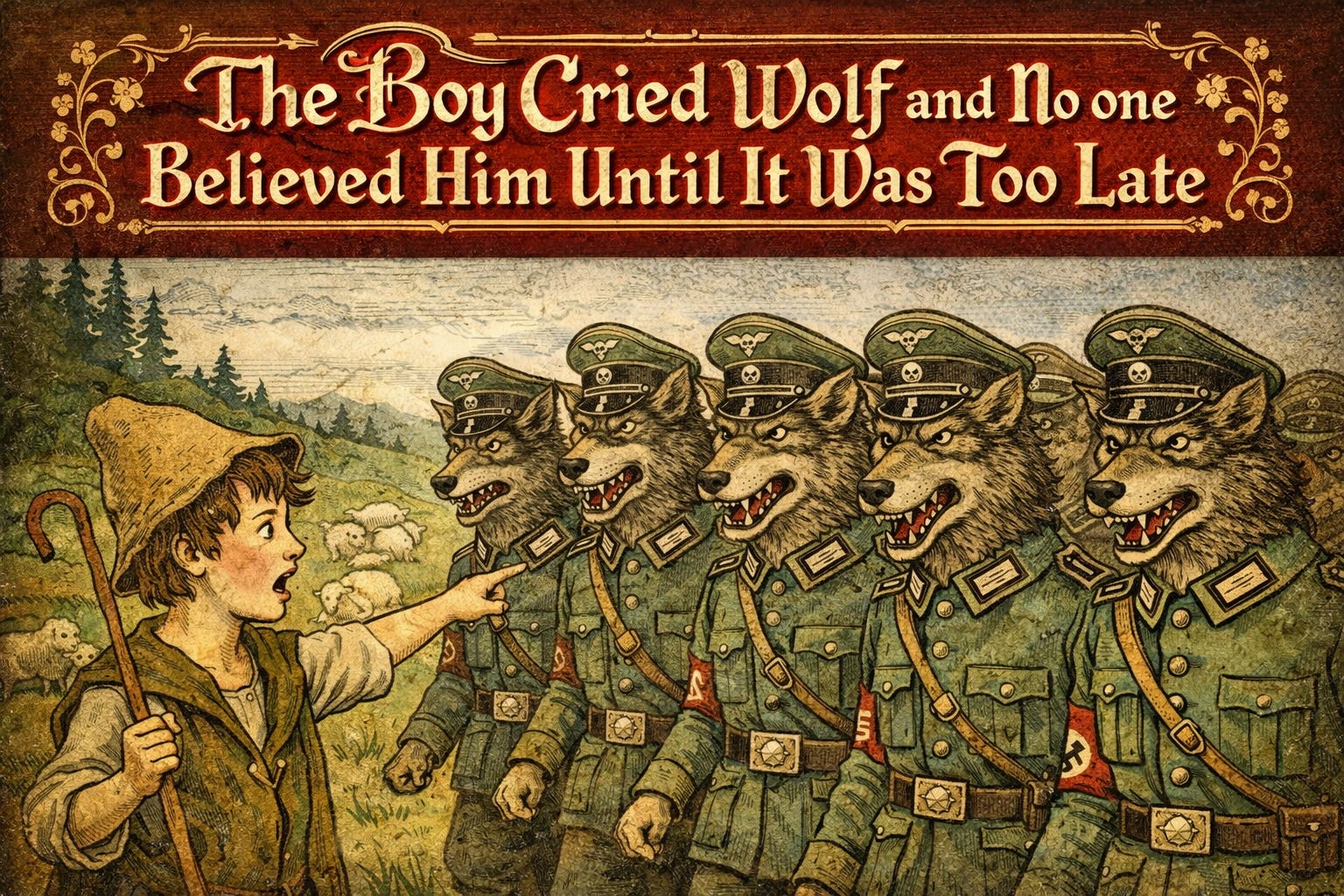
In a world filled with constant noise and distractions, it's easy to become desensitized to the warnings around us. The classic tale of the boy who cried wolf serves as a cautionary reminder that when we dismiss legitimate concerns, we risk facing the devastating consequences of our own inaction. As we navigate the complexities of modern life, it's crucial to recognize the importance of heeding the warning signs, lest we find ourselves trapped in a scenario far more treacherous than we ever imagined.
The Perils of Dismissing Warnings
Throughout history, there are countless examples of individuals and societies ignoring the clear signs of impending danger, only to be caught off guard when disaster strikes. From economic collapses to natural disasters, the patterns often follow a similar trajectory: a warning is issued, but it is met with skepticism, disbelief, or indifference. The villagers in the classic fable were guilty of this very behavior, and their complacency ultimately led to the demise of their flock.
In the realm of economics, the warning signs of an impending collapse are often evident long before the catastrophic event unfolds. Indicators such as rising debt levels, asset bubbles, and unsustainable consumer spending patterns can all serve as harbingers of a looming crisis. Yet, time and time again, policymakers and the general public choose to ignore these signals, dismissing them as the cries of alarmists or the ramblings of doomsday prophets.
The Consequences of Inaction
When the unthinkable finally occurs, the consequences can be devastating, both on an individual and societal level. In the aftermath of an economic collapse, families may find themselves struggling to make ends meet, losing their homes, and facing an uncertain future. The ripple effects can be felt throughout the entire community, as businesses shuttered, jobs vanished, and social safety nets strained to the breaking point.
Similarly, in the face of natural disasters or other calamities, the refusal to heed warning signs can lead to catastrophic loss of life and property. Whether it's a hurricane, a pandemic, or a geopolitical upheaval, the failure to take proactive measures can leave individuals and communities vulnerable and unprepared.
The Importance of Heeding the Warnings
The lesson of the boy who cried wolf is a powerful one, reminding us that the credibility of a warning is not determined by the number of times it has been sounded, but by the gravity of the threat it represents. When we become desensitized to the warnings around us, we risk losing the ability to discern the genuine from the false, leaving us vulnerable to the consequences of our own inaction.
In order to avoid the pitfalls of the past, it is essential that we cultivate a culture of vigilance and responsiveness. This means actively seeking out reliable information, questioning our assumptions, and being willing to take decisive action when the situation calls for it. By remaining attuned to the warning signs and treating them with the seriousness they deserve, we can better position ourselves and our communities to weather the storms that lie ahead.
Embracing the Lessons of the Past
As we navigate the complexities of the modern world, it is crucial that we learn from the cautionary tales of the past. The story of the boy who cried wolf serves as a powerful reminder that when we dismiss legitimate concerns, we do so at our own peril. By heeding the warning signs, whether they come from economic indicators, environmental signals, or social upheaval, we can better prepare ourselves and our communities for the challenges that lie ahead.
In the end, the choice is ours: will we heed the warnings and take the necessary steps to protect ourselves and our loved ones, or will we succumb to the temptation of complacency and disbelief, only to face the devastating consequences of our own inaction? The path forward may not be easy, but by embracing the lessons of the past and remaining vigilant in the present, we can build a future that is more resilient, more secure, and more prepared for whatever challenges may come our way.
"The truth doesn't hide. It waits for those brave enough to look."
The Wise Wolf