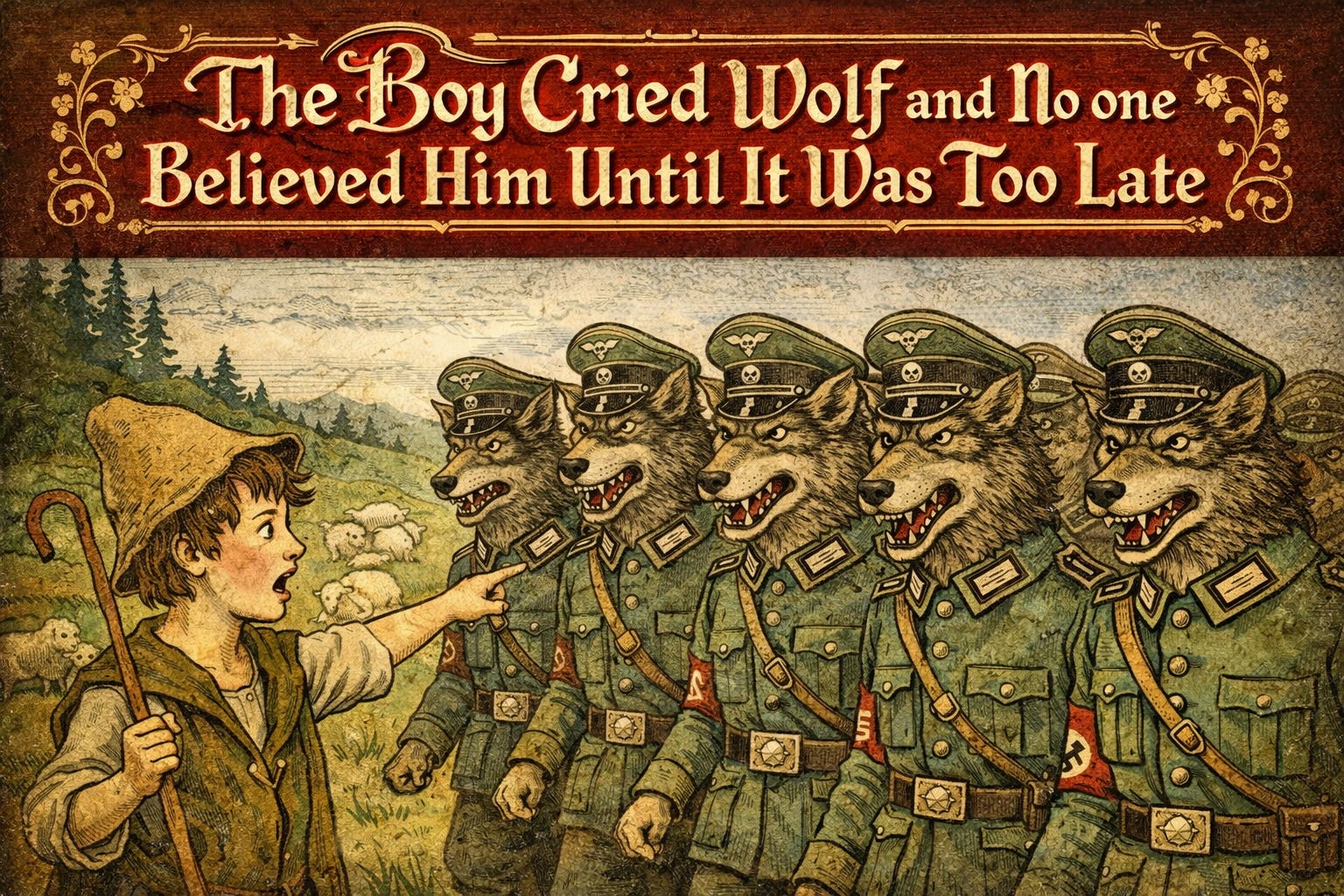
Imagine a world where the cries for help go unheeded, where the desperate pleas for attention are met with indifference. This is the cautionary tale of the boy who cried wolf, a story that holds profound lessons about the fragility of trust and the consequences of deception.
The Dangers of Crying "Wolf"
We've all heard the classic tale of the shepherd boy who, bored with his duties, decides to have a little fun at the expense of the villagers. Time and time again, he shouts "Wolf! Wolf!" and the concerned citizens come rushing to his aid, only to find no threat present. Frustrated by his mischievous behavior, the villagers eventually stop responding, leaving the boy vulnerable when a real wolf appears.
This simple story serves as a powerful metaphor for the dangers of eroding trust. When we repeatedly cry "wolf" over trivial matters, we risk losing the credibility and support we may desperately need when a genuine crisis arises. Just as the villagers became jaded and dismissive of the boy's warnings, so too can our own cries for help be ignored if we have a history of fabricating or exaggerating our troubles.
The Ripple Effect of Broken Trust
The consequences of the boy's actions extend far beyond his own personal safety. By betraying the trust of the villagers, he has also disrupted the delicate social fabric of the community. When people no longer believe in the truthfulness of their neighbors, a sense of unity and cohesion is lost, making it more difficult to rally together in times of need.
This breakdown of trust can have far-reaching implications, both on an individual and societal level. In the economic sphere, for example, the loss of confidence in institutions, governments, or financial systems can lead to instability, panic, and even collapse. Individuals may become hesitant to invest, businesses may be reluctant to expand, and the overall economic health of a region can be severely compromised.
The Importance of Transparency and Accountability
The tale of the boy who cried wolf serves as a cautionary reminder of the importance of transparency and accountability. In our personal and professional lives, it is crucial that we strive to be honest, reliable, and trustworthy. When we make a mistake or encounter a genuine challenge, we must be willing to own up to it and seek help, rather than resorting to deception.
By cultivating a culture of openness and accountability, we can build stronger, more resilient communities that are better equipped to weather the storms of life. When people know they can trust one another, they are more likely to come together and support each other in times of need, whether it's a personal crisis or a larger economic or social upheaval.
The Redemptive Power of Truth
While the story of the boy who cried wolf often ends in tragedy, there is a glimmer of hope in the potential for redemption. Even after repeatedly betraying the trust of the villagers, the boy's final, desperate cry for help could have been heeded if he had managed to establish a track record of honesty and reliability.
This suggests that the path to regaining trust is not necessarily a lost cause. By consistently demonstrating truthfulness, owning up to our mistakes, and showing genuine remorse, we can rebuild the bridges we have burned and reclaim the faith and support of those around us.
In a world that can often feel chaotic and uncertain, the lessons of the boy who cried wolf remind us of the power of truth, the importance of trust, and the necessity of accountability. By heeding these lessons, we can strive to create a more just, resilient, and interconnected society – one where the cries for help are always heard and the consequences of deception are never forgotten.
"The truth doesn't hide. It waits for those brave enough to look."
The Wise Wolf