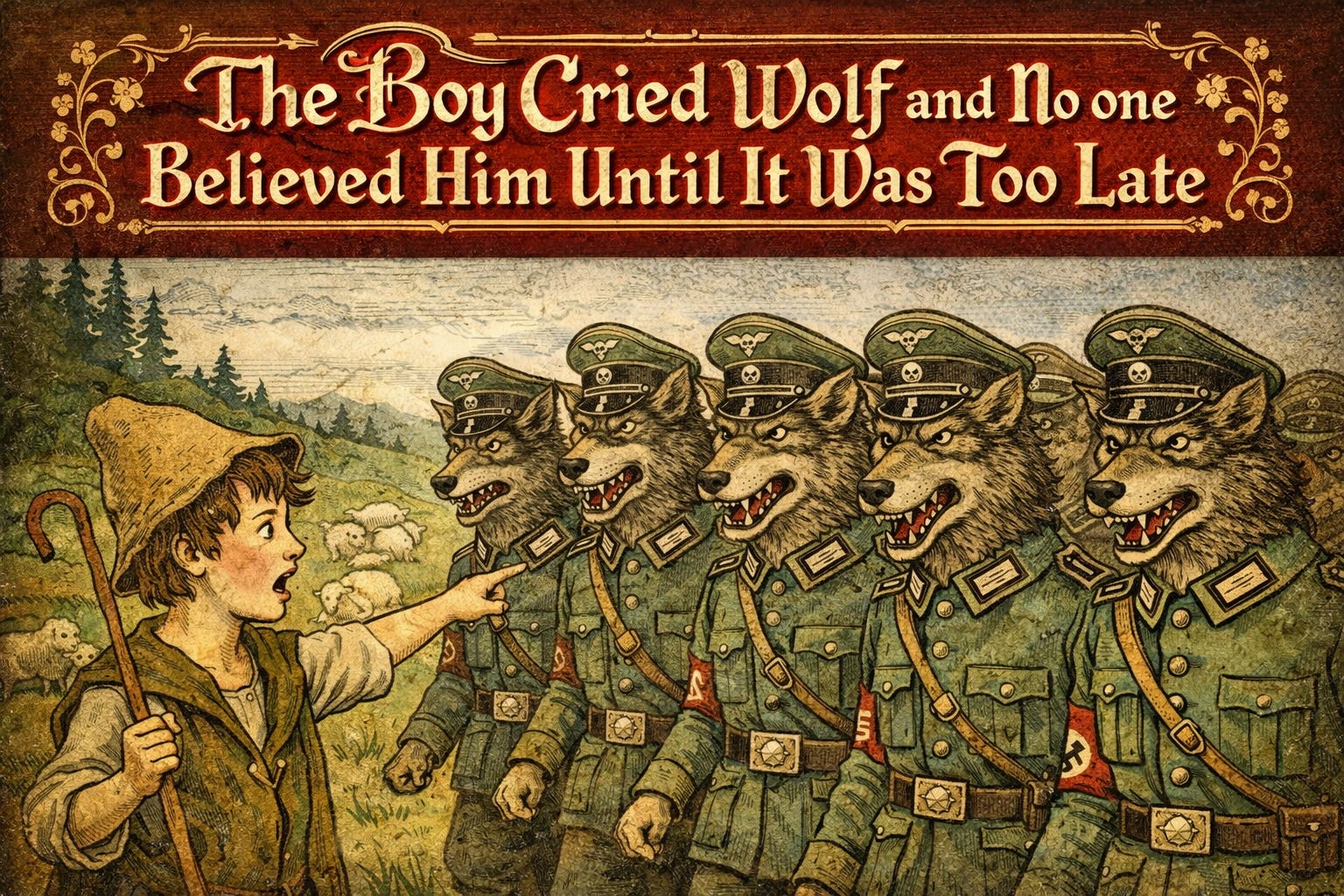
In a world that often dismisses or overlooks warning signs, the timeless tale of the boy who cried wolf offers a poignant lesson. This classic fable, with its seemingly simple premise, holds profound implications for how we navigate the complexities of life, both on an individual and societal level.
The story follows a young shepherd who, out of boredom or a desire for attention, repeatedly raises a false alarm about a wolf attacking his flock. When the villagers repeatedly rush to his aid only to find no threat, they eventually grow weary of his cries and dismiss him entirely. Tragically, when a real wolf does appear, the boy's desperate pleas for help go unheeded, leading to a devastating outcome.
In the modern world, we often find ourselves faced with similar scenarios, where warnings, whether from individuals or institutions, are brushed aside or dismissed as mere cries of alarm. This tendency can have far-reaching consequences, from the personal to the global, as we'll explore in the following sections.
## The Cost of Ignoring Personal Warnings
In our daily lives, we may encounter warning signs that signal the need for change or action, whether it's a nagging health issue, a struggling relationship, or financial concerns. However, like the villagers in the fable, we can be quick to dismiss these warnings, convinced that they are merely temporary or inconsequential.
The consequences of ignoring personal warnings can be severe, leading to the deterioration of our well-being, the breakdown of important relationships, or the loss of financial stability. Just as the boy's cry for help went unheeded, our own pleas for attention or assistance may fall on deaf ears if we have established a pattern of false alarms or perceived overreactions.
## The Perils of Dismissing Societal Warnings
On a larger scale, societies and governments are also susceptible to the trap of ignoring warning signs. Whether it's economic indicators, environmental concerns, or geopolitical tensions, the temptation to brush aside these warnings can be strong, especially when they conflict with established narratives or challenge the status quo.
The repercussions of such dismissal can be catastrophic, as witnessed throughout history. The Great Depression, the climate crisis, and the rise of authoritarian regimes are all examples of situations where warning signs were present but disregarded, leading to widespread suffering and upheaval.
## The Importance of Heeding Early Warnings
The lesson of the boy who cried wolf is not to dismiss all warnings, but rather to develop a discerning approach to evaluating and responding to them. When we encounter warning signs, whether in our personal lives or on a societal scale, it is crucial to investigate them thoroughly, weigh the evidence, and take appropriate action.
By doing so, we can prevent the escalation of problems and avoid the devastating consequences that can arise when warnings are ignored. This requires a delicate balance, as we must be vigilant enough to recognize genuine threats, while also maintaining a degree of skepticism to avoid overreacting to false alarms.
## The Path Forward: Fostering a Culture of Responsiveness
To navigate the complex landscape of warnings and alarms, we must cultivate a culture of responsiveness. This means creating environments where individuals feel empowered to voice their concerns, where institutions are held accountable for addressing warning signs, and where decision-makers are willing to act swiftly and decisively when the need arises.
By embracing this approach, we can avoid the pitfalls of the boy who cried wolf, where genuine warnings are dismissed due to a history of false alarms. Instead, we can foster a society that is attuned to the subtle signals of change and prepared to respond with agility and compassion.
In the end, the lesson of the boy who cried wolf serves as a poignant reminder that the consequences of ignoring warnings can be dire. By heeding the signs, both personal and societal, we can navigate the challenges of our time with greater wisdom and resilience, ultimately creating a safer and more prosperous future for all.
"The truth doesn't hide. It waits for those brave enough to look."
The Wise Wolf