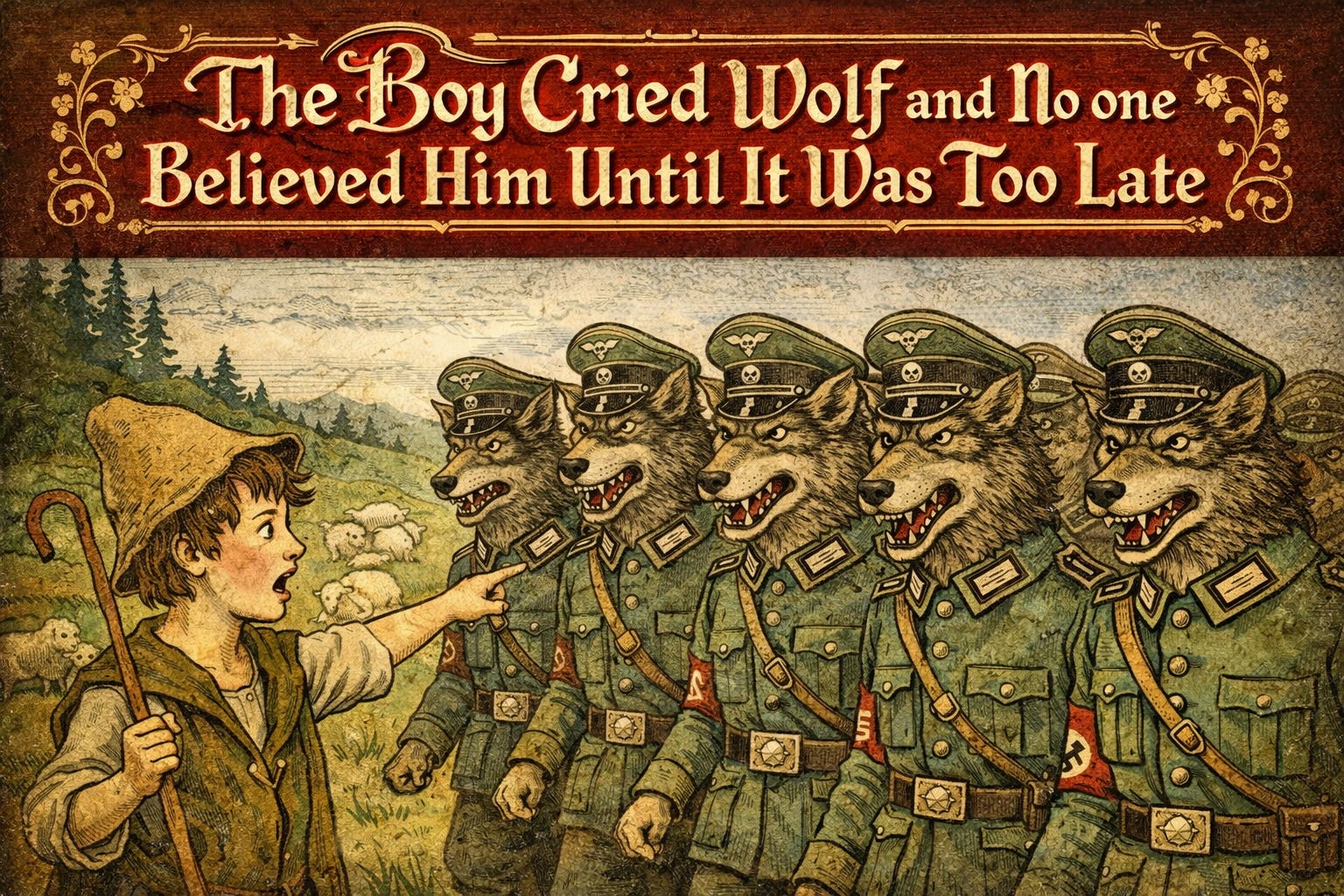
The tale of the boy who cried wolf has long been a cautionary tale about the dangers of dishonesty and the consequences of losing credibility. However, this classic fable can also offer valuable insights into the complexities of trust, communication, and the fragility of societal structures.
Untangling the Threads of Credibility
At the heart of the story lies the notion of credibility - the ability to be believed and trusted. The boy, driven by boredom and a desire for attention, repeatedly raises false alarms, undermining his own credibility in the eyes of the villagers. When a real threat finally emerges, his cries for help fall on deaf ears, with disastrous consequences.
This narrative serves as a powerful metaphor for the importance of maintaining credibility, not just in individual relationships, but within broader social and economic systems. Just as the villagers in the fable lost trust in the boy's warnings, we too can witness the erosion of credibility in various spheres of our lives, from politics to finance.
The Fragility of Economic Credibility
One area where the lessons of the boy who cried wolf resonate profoundly is the realm of economics and financial markets. Like the villagers, investors, policymakers, and the general public often place their trust in the stability and reliability of economic systems. However, when that trust is repeatedly betrayed through acts of deception, manipulation, or reckless behavior, the consequences can be severe.
The 2008 financial crisis serves as a poignant example of how the loss of economic credibility can have devastating effects. When the housing bubble burst and the subprime mortgage crisis unfolded, many financial institutions and government officials were perceived as having cried "wolf" too many times, downplaying the risks and providing false assurances. The subsequent erosion of trust in the financial system led to a collapse of confidence, triggering a global economic recession.
Rebuilding Credibility: Lessons for Individuals and Institutions
The fable of the boy who cried wolf offers valuable lessons for individuals and institutions alike in rebuilding and maintaining credibility. For individuals, it highlights the importance of honesty, consistency, and transparency in building trust with others. Just as the boy's repeated lies undermined his credibility, our own actions and words can either strengthen or weaken the trust placed in us.
Similarly, for institutions and organizations, the story underscores the need for accountability, ethical practices, and clear communication. When institutions fail to uphold their responsibilities or engage in deceptive behavior, they risk losing the confidence of the public and stakeholders. Rebuilding credibility in the aftermath of such failures requires a concerted effort to regain trust through demonstrable changes in behavior and a commitment to transparency.
Ultimately, the tale of the boy who cried wolf serves as a timeless reminder that credibility is a fragile and precious commodity, one that must be earned and safeguarded through consistent, honest, and responsible actions. By heeding the lessons of this fable, individuals and institutions can navigate the complexities of trust and communication, and build stronger, more resilient communities and economic systems.
"The truth doesn't hide. It waits for those brave enough to look."
The Wise Wolf