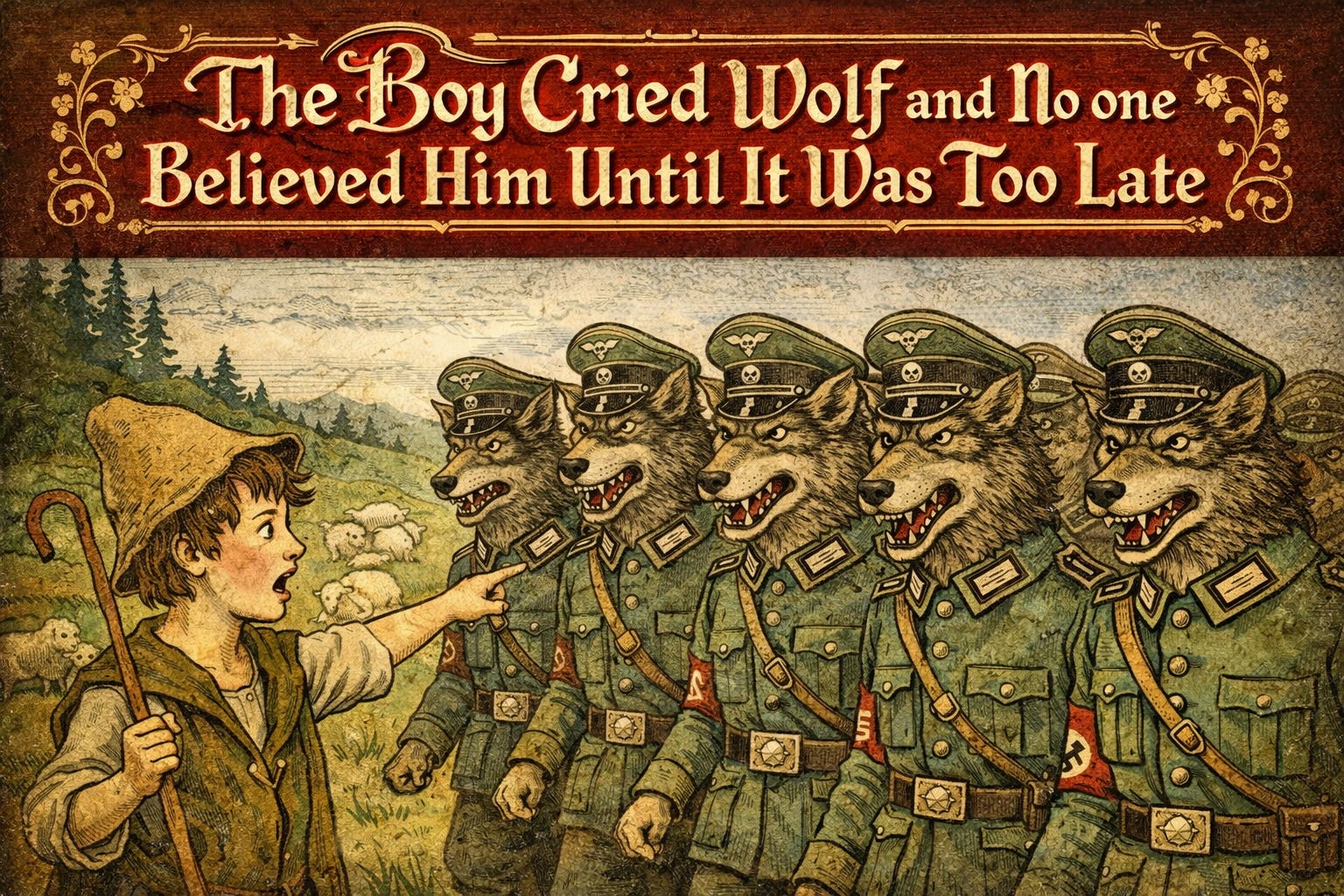
In a world where the cry of "wolf" echoes endlessly, it can be easy to become jaded, to dismiss even the most pressing warnings as the cries of a perpetual alarmist. The cautionary tale of the boy who cried wolf is one that resonates deeply in our modern era, where the boundaries between truth and fiction often blur, and skepticism has become the default response to any perceived threat.
## The Perils of Perpetual Skepticism
As the boy in the classic fable learned, the consequences of repeated falsehoods can be catastrophic. When the real danger finally arrived, his cries fell on deaf ears, and the very thing he had warned against came to pass. In our own time, we see echoes of this dynamic playing out in the realms of politics, economics, and even public health.
Time and again, we are bombarded with dire warnings – of economic collapse, of societal upheaval, of looming crises that demand our immediate attention. And time and again, these warnings are met with a collective shrug, dismissed as the ramblings of Chicken Littles or the manipulations of those with ulterior motives.
## The Balancing Act of Trust and Skepticism
Yet, in a world where false alarms have become the norm, how do we distinguish the genuine from the fabricated? How do we maintain a healthy dose of skepticism without succumbing to the paralysis of perpetual doubt? The answer lies in striking a delicate balance, in cultivating a nuanced understanding of the world around us.
Skepticism, when applied judiciously, can be a valuable tool, a means of separating fact from fiction, of scrutinizing claims and holding those in power accountable. But when skepticism morphs into cynicism, when we become so entrenched in our disbelief that we fail to recognize genuine threats, we risk becoming as much a part of the problem as the boy who cried wolf.
## Rebuilding Trust in a Fractured World
The challenge, then, is to find a way to restore trust – in our institutions, in our leaders, and in one another. This is no easy task, particularly in an era where the very foundations of truth seem to be crumbling. But it is a task that we must undertake, lest we find ourselves in a world where the cries of the truly concerned are drowned out by the din of our own skepticism.
It begins with a willingness to listen, to approach each new warning or prediction with an open mind, to scrutinize the evidence rather than dismiss it out of hand. It requires a commitment to seeking out multiple perspectives, to questioning our own biases and preconceptions. And it demands that we hold ourselves and others accountable, that we refuse to be swayed by the empty rhetoric of those who would seek to manipulate us.
Only by embracing this delicate balance of trust and skepticism can we hope to navigate the treacherous landscape of the modern world. For in doing so, we not only protect ourselves from the very real dangers that lurk in the shadows, but we also preserve the integrity of the systems and institutions that underpin our society. And who knows – perhaps, in the end, we may even rediscover the power of the cry that truly matters.
"The truth doesn't hide. It waits for those brave enough to look."
The Wise Wolf