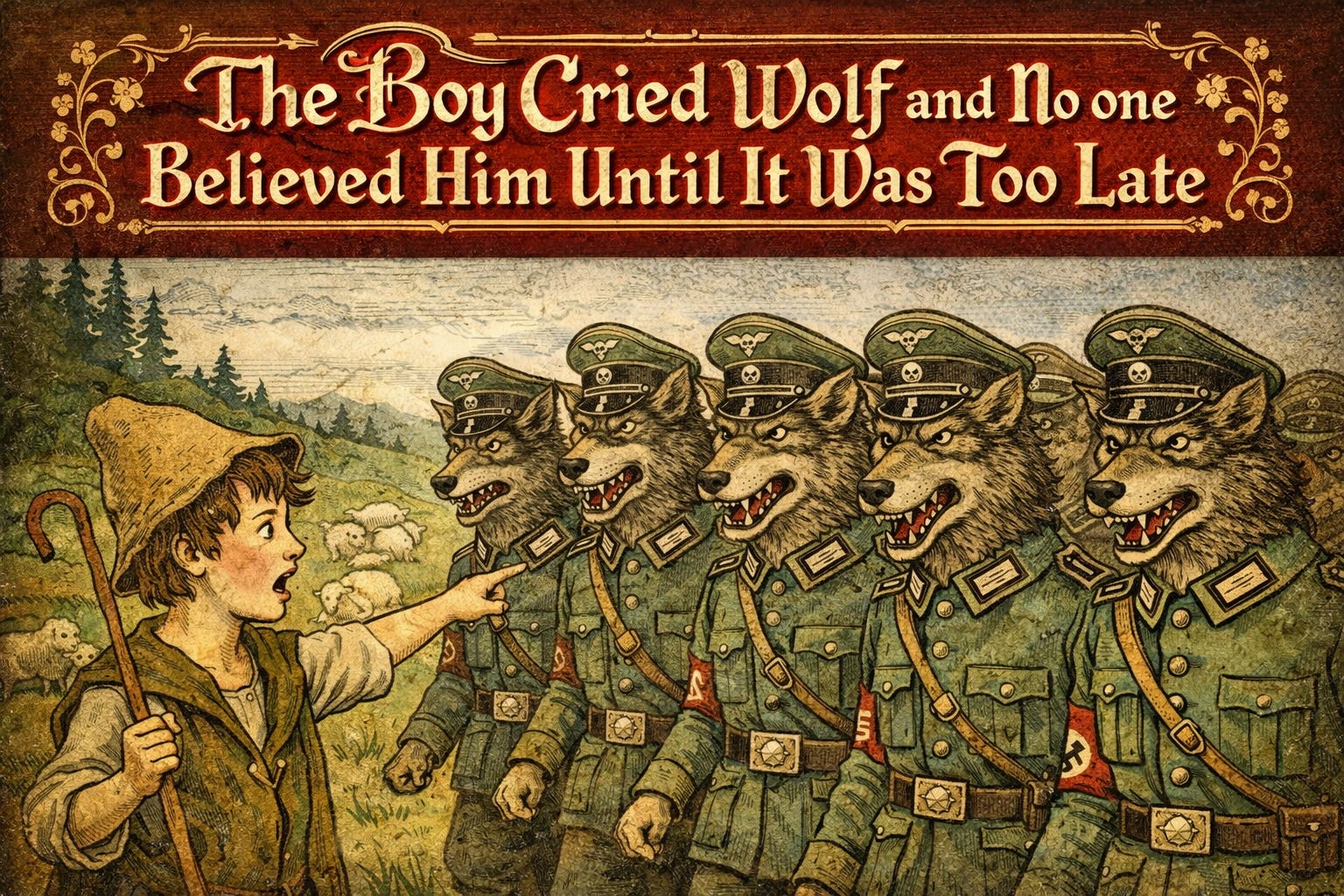
The classic tale of the shepherd boy who cried wolf has long been a cautionary fable about the consequences of deception. However, this timeless story holds a deeper, more nuanced lesson about the fragility of trust and the dangers of dismissing genuine warnings. In a world increasingly beset by complex challenges, from economic turbulence to looming environmental crises, the moral of this parable deserves a fresh examination.
Lessons from the Boy Who Cried Wolf At its core, the story of the shepherd boy illustrates the perils of crying wolf, or raising false alarms. When the boy repeatedly deceived the villagers for his own amusement, he eroded their trust, rendering them unable to respond effectively when a real threat emerged. This cautionary tale serves as a potent reminder that credibility is a precious commodity, easily squandered through careless acts of dishonesty.
The Peril of Skepticism Yet, the fable also sheds light on the dangers of unrelenting skepticism. While the villagers were right to be wary of the boy's repeated cries, their stubborn refusal to heed his final warning proved disastrous. This dynamic mirrors the all-too-common pattern of modern society, where genuine concerns are often dismissed as mere fearmongering, even as the looming crisis draws ever closer.
The Shepherd and the Impending Storm In many ways, the shepherd boy represents those who sound the alarm about emerging threats, whether economic, environmental, or geopolitical. These modern-day "shepherds" may be scientists, policy experts, or concerned citizens, each warning of an impending storm on the horizon. But like the villagers of old, a growing chorus of skeptics and cynics often drown out their voices, unwilling to believe until the devastation is already upon them.
The Consequences of Inaction The ultimate tragedy of the wolf fable is that the villagers' disbelief proved catastrophic, with the wolf decimating the flock and, in some versions, even the shepherd himself. This cautionary tale serves as a powerful metaphor for the high stakes of ignoring genuine warnings. In an interconnected world facing complex, multifaceted challenges, the cost of dismissing credible concerns can be measured in human lives, economic upheaval, and environmental devastation.
The Path Forward The lesson of the shepherd boy is not one of simple moral absolutism, but rather a nuanced exploration of the delicate balance between trust and skepticism. While we must be wary of false alarms and maintain a critical eye, we must also be willing to listen to those who sound the alarm, even when their warnings challenge our preconceptions. By fostering a culture of constructive dialogue, empowering informed decision-making, and cultivating a shared sense of responsibility, we can chart a course towards a more resilient and secure future.
In a world beset by interconnected crises, the fable of the shepherd boy serves as a poignant reminder that the consequences of inaction can be far more dire than the risks of heeding the call for change. As we navigate the complexities of the 21st century, may we have the wisdom to distinguish the genuine warnings from the false alarms, and the courage to respond accordingly before it is too late.
"The truth doesn't hide. It waits for those brave enough to look."
The Wise Wolf