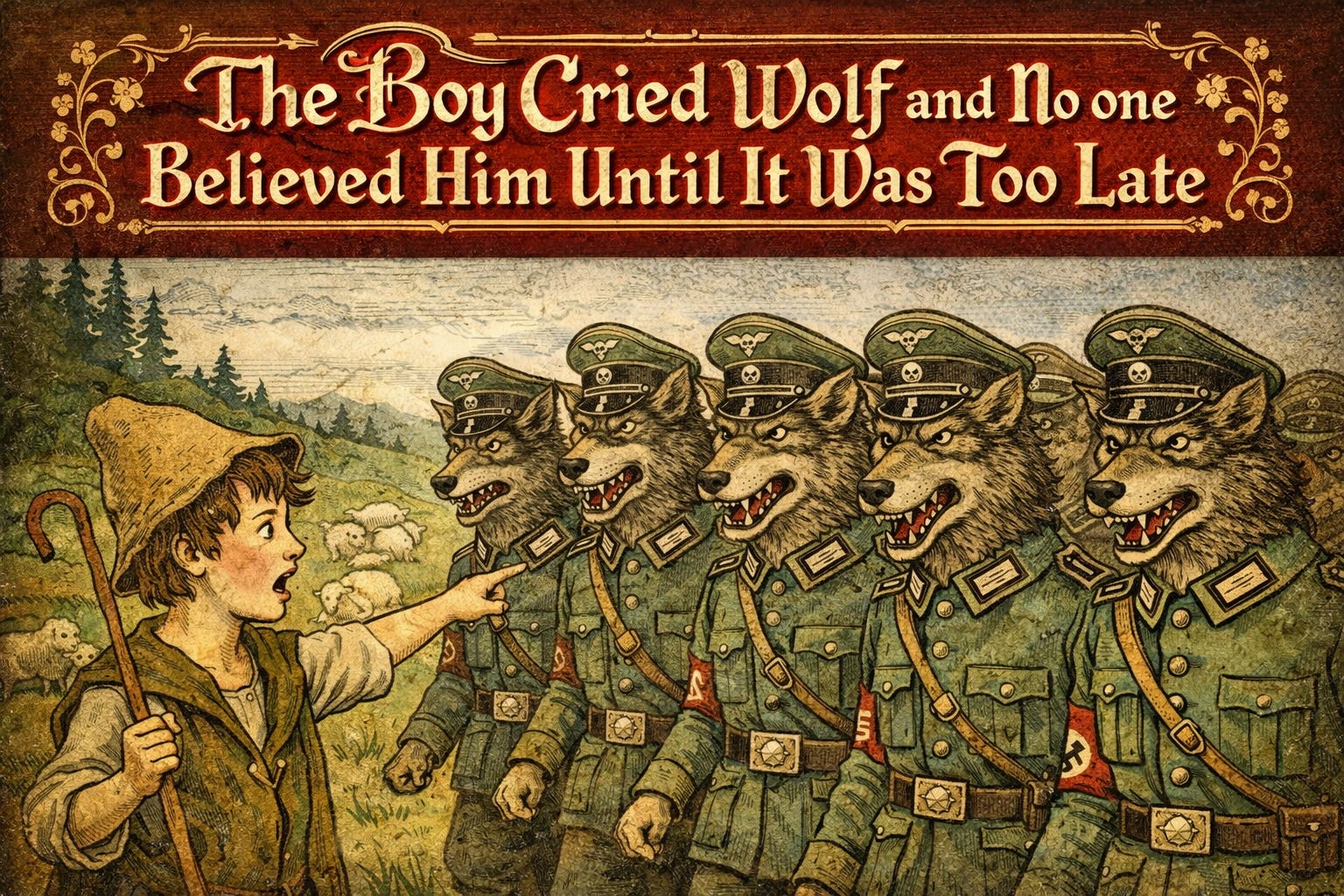
In the classic fable of the shepherd boy who cried wolf, we're often left with a simple moral: don't lie, or no one will believe you when you're telling the truth. But what if there's a more profound lesson lurking beneath the surface? Let's explore the hidden depths of this age-old story and uncover the sobering truths it holds about the human condition.
The Shepherd Boy's Descent into Deception
The tale begins with a young shepherd, tasked with the responsibility of watching over his flock. But as the days wore on, the monotony of his duties became too much to bear. Seeking a thrill, he decided to play a cruel trick on the unsuspecting villagers, crying "Wolf! Wolf!" whenever he felt like it.
At first, the villagers rushed to his aid, only to find no threat. Frustrated but forgiving, they returned to their daily lives, dismissing the boy's antics as the mischief of a bored child. But as the false alarms continued, their patience wore thin, and they began to lose trust in the boy's warnings.
Then, one fateful day, a real wolf appeared, and the boy cried out in genuine desperation. But this time, the villagers turned a deaf ear, unwilling to be fooled again. The wolf had its way, and the boy's flock was decimated, leaving him alone and facing the consequences of his actions.
The Dangers of Eroding Trust
The tragedy of the shepherd boy's story lies in the fact that his initial lies, born out of boredom and a desire for attention, ultimately led to the destruction of the very thing he was tasked to protect. This cautionary tale serves as a stark reminder of the fragility of trust and the dangers of eroding it.
In our own lives, we often find ourselves in situations where we're tempted to stretch the truth or exaggerate the facts, whether it's to impress our peers, avoid responsibility, or simply to alleviate our own boredom. But like the shepherd boy, we must be mindful of the long-term consequences of such actions.
The Broader Implications: Economic Collapse and the Cry of "Wolf!"
The parallels between the shepherd boy's tale and the dynamics of economic collapse are startling. Just as the villagers grew increasingly skeptical of the boy's warnings, so too can we see a similar pattern play out in the realm of financial markets and economic indicators.
Time and time again, we've witnessed the "boy who cried wolf" scenario unfold, with economic pundits and experts warning of impending doom, only for those warnings to be dismissed or downplayed. When the true crisis finally arrives, the public, already weary of the constant alarms, is often slow to respond, leading to devastating consequences.
The Importance of Rebuilding Trust
The lesson we can take from the shepherd boy's cautionary tale is that trust, once broken, is exceedingly difficult to regain. In the aftermath of economic crises, the public's faith in institutions, experts, and the system itself can be severely shaken, making it challenging to mount an effective response.
To avoid this vicious cycle, we must strive to cultivate a culture of transparency, accountability, and genuine concern for the well-being of the collective. By rebuilding trust through consistent, honest communication and tangible actions, we can create an environment where warnings are taken seriously and the necessary steps can be taken to mitigate the impact of future challenges.
The Enduring Relevance of Timeless Fables
The story of the shepherd boy and the wolf may seem like a simple children's tale, but its underlying themes of trust, deception, and the consequences of our actions continue to resonate in the complex tapestry of modern life. By delving into the deeper implications of this fable, we can gain valuable insights that can help us navigate the uncertainties of our world, both on a personal and a societal level.
As we grapple with the ever-changing landscape of our lives, it's essential that we approach the lessons of the past with an open and critical mind. For in the timeless wisdom of these fables, we may just find the guidance we need to weather the storms that lie ahead.
"The truth doesn't hide. It waits for those brave enough to look."
The Wise Wolf