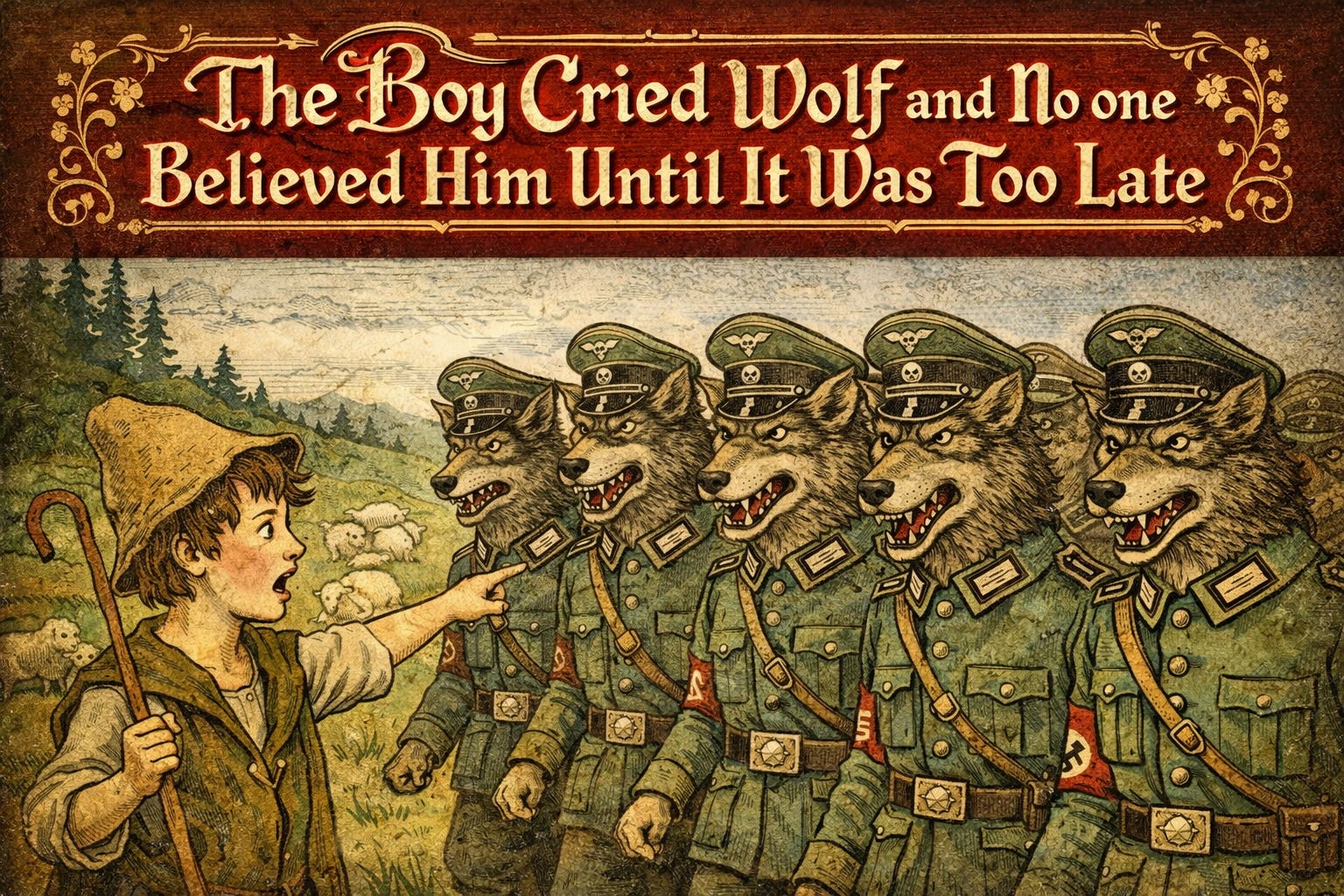
The tale of the boy who cried wolf is a timeless parable that continues to resonate in our modern world. Beyond the surface-level narrative, this classic fable offers profound insights into the complex interplay between trust, credibility, and the consequences of our actions. As we navigate an era marked by information overload and growing skepticism, the lessons of this fable hold invaluable wisdom for individuals, communities, and society as a whole.
The Peril of Broken Trust At the heart of the boy's dilemma lies the fragile nature of trust. By repeatedly deceiving the villagers, the shepherd boy erodes their confidence in his future warnings, ultimately rendering him powerless when a true crisis arises. This cautionary tale underscores the importance of cultivating and maintaining credibility, for once lost, it can be exceedingly difficult to regain.
In the modern context, the repercussions of broken trust can be far-reaching, transcending the confines of a pastoral community. Whether it's a politician making empty promises, a company embroiled in a scandal, or an individual spreading misinformation, the consequences of damaged credibility can be severe. Rebuilding trust in such situations requires a sustained effort, often involving sincere apologies, transparency, and tangible demonstrations of trustworthiness.
The Dangers of Complacency The villagers' complacency in the face of the boy's repeated false alarms is another crucial element of the fable. Lulled into a sense of security by the boy's previous deceptions, they become desensitized to his cries for help, ultimately failing to respond when a genuine threat emerges. This cautionary tale serves as a stark reminder of the perils of complacency and the importance of maintaining vigilance, even in the face of seemingly innocuous situations.
In today's world, where information and news flow at an unprecedented pace, the temptation to become complacent and tune out can be strong. However, this fable reminds us that such an approach can have devastating consequences. Whether it's a looming economic crisis, a growing social issue, or a political upheaval, the failure to heed genuine warnings can lead to catastrophic outcomes. Maintaining a critical eye and a willingness to engage with diverse perspectives is essential for navigating the complexities of the modern landscape.
The Power of Authentic Communication The fable's central conflict also highlights the importance of authentic communication. The boy's initial cries for help, while false, are an attempt to engage the villagers and elicit a response. However, his subsequent pleas, even when genuine, fall on deaf ears due to the loss of credibility. This dynamic underscores the vital role that clear, honest, and consistent communication plays in building and maintaining trust.
In a world where misinformation and manipulation are pervasive, the ability to communicate authentically and effectively is a valuable asset. Individuals, organizations, and leaders who prioritize transparent, evidence-based communication are more likely to be heard and trusted, even in the face of challenging circumstances. By embodying the principles of integrity and accountability, they can navigate the complexities of modern society with greater resilience and impact.
The Enduring Relevance of Timeless Fables The enduring appeal of the boy who cried wolf fable lies in its ability to transcend time and context, offering timeless lessons that continue to resonate with audiences across generations. As we grapple with the multifaceted challenges of the 21st century, this classic tale serves as a powerful reminder that the fundamental dynamics of trust, credibility, and communication remain integral to our individual and collective well-being.
By reflecting on the insights offered by this fable, we can cultivate a deeper understanding of the human condition, the complexities of social interaction, and the importance of responsible stewardship in an increasingly interconnected world. As we navigate the ever-evolving landscape of the modern era, the wisdom of this timeless parable can serve as a guiding light, helping us to navigate the treacherous waters of disbelief and forge a more resilient, trustworthy, and engaged society.
"The truth doesn't hide. It waits for those brave enough to look."
The Wise Wolf