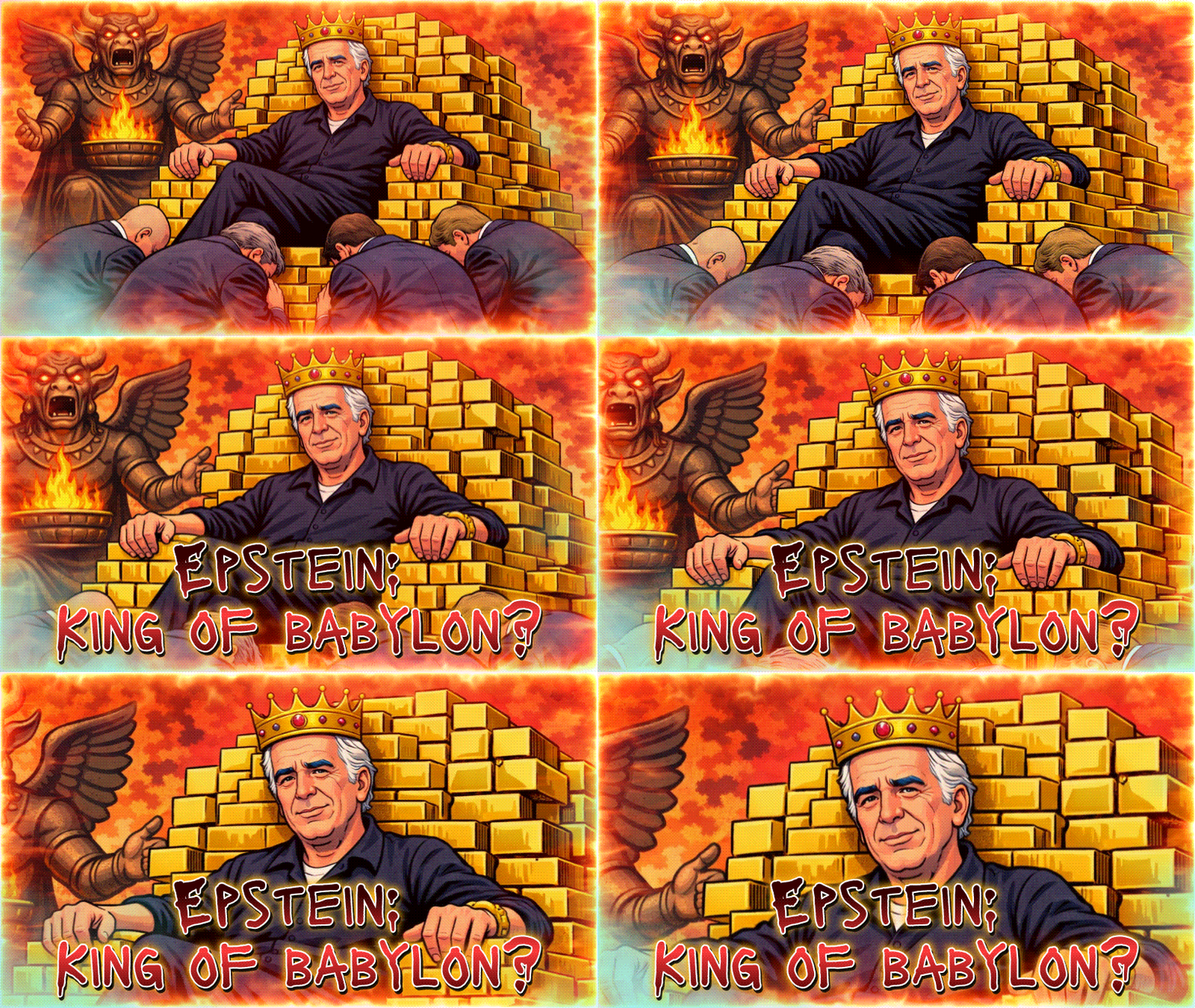
The revelations surrounding Jeffrey Epstein's disturbing connections have sent shockwaves through the public consciousness. One of the most unsettling details to emerge is the sinister name he chose for his bank account - "Moloch." This name, which references an ancient Canaanite deity associated with child sacrifice, has fueled widespread speculation and horror. Delving into the historical and symbolic significance of Moloch, this article explores the chilling implications of Epstein's choice and the troubling legacy it represents.
The Haunting Legacy of Moloch
Moloch, a deity depicted as a bronze statue with the head of a bull and the body of a man, was a central figure in the religious practices of ancient Canaanite civilizations. The worship of Moloch often involved the ritual sacrifice of children, with infants being burned alive as offerings to the god. This horrific practice, which took place in the Valley of Hinnom, was a deeply entrenched part of the Canaanite belief system, and the echoes of this dark legacy continue to reverberate through history.
The Symbolic Significance of Moloch
The name "Moloch" has become synonymous with the exploitation and abuse of children, and its use by Epstein in his banking activities suggests a deeply disturbing worldview. Moloch, as a symbol of power, greed, and the willingness to sacrifice the innocent, represents the antithesis of everything that should be sacred and protected in a just society. By aligning his financial dealings with this sinister entity, Epstein appears to have been asserting a twisted sense of dominance and control over the vulnerable.
The Disturbing History of Ritual Abuse
The practice of ritual abuse, including the exploitation and sacrifice of children, is not limited to the ancient Canaanite civilization. Throughout history, there have been numerous accounts of such abhorrent practices occurring in various cultural and religious contexts. From the medieval witch trials to the more recent cases of organized child abuse rings, the specter of ritual abuse has haunted humanity, leaving a trail of trauma and devastation in its wake.
The Broader Implications of Epstein's Actions
The revelation that Epstein named his bank account after the child-devouring Moloch is not merely a shocking historical curiosity. It points to a much deeper and more disturbing reality – the existence of a powerful network of individuals who are willing to engage in the most heinous forms of exploitation and abuse, all while shielding themselves from the consequences of their actions. Epstein's case highlights the urgent need to shine a light on these shadowy networks and to hold those responsible accountable, no matter how influential or well-connected they may be.
In conclusion, the chilling connection between Epstein's bank account and the ancient deity Moloch serves as a stark reminder of the ongoing battle against the darkest corners of human depravity. By understanding the symbolic significance of this name and the disturbing history it represents, we can better comprehend the depths of the challenges we face in protecting the most vulnerable members of our society. Only by confronting this disturbing legacy head-on can we hope to break the cycle of ritual abuse and work towards a future where the sanctity of childhood is truly cherished and safeguarded.
"The truth doesn't hide. It waits for those brave enough to look."
The Wise Wolf