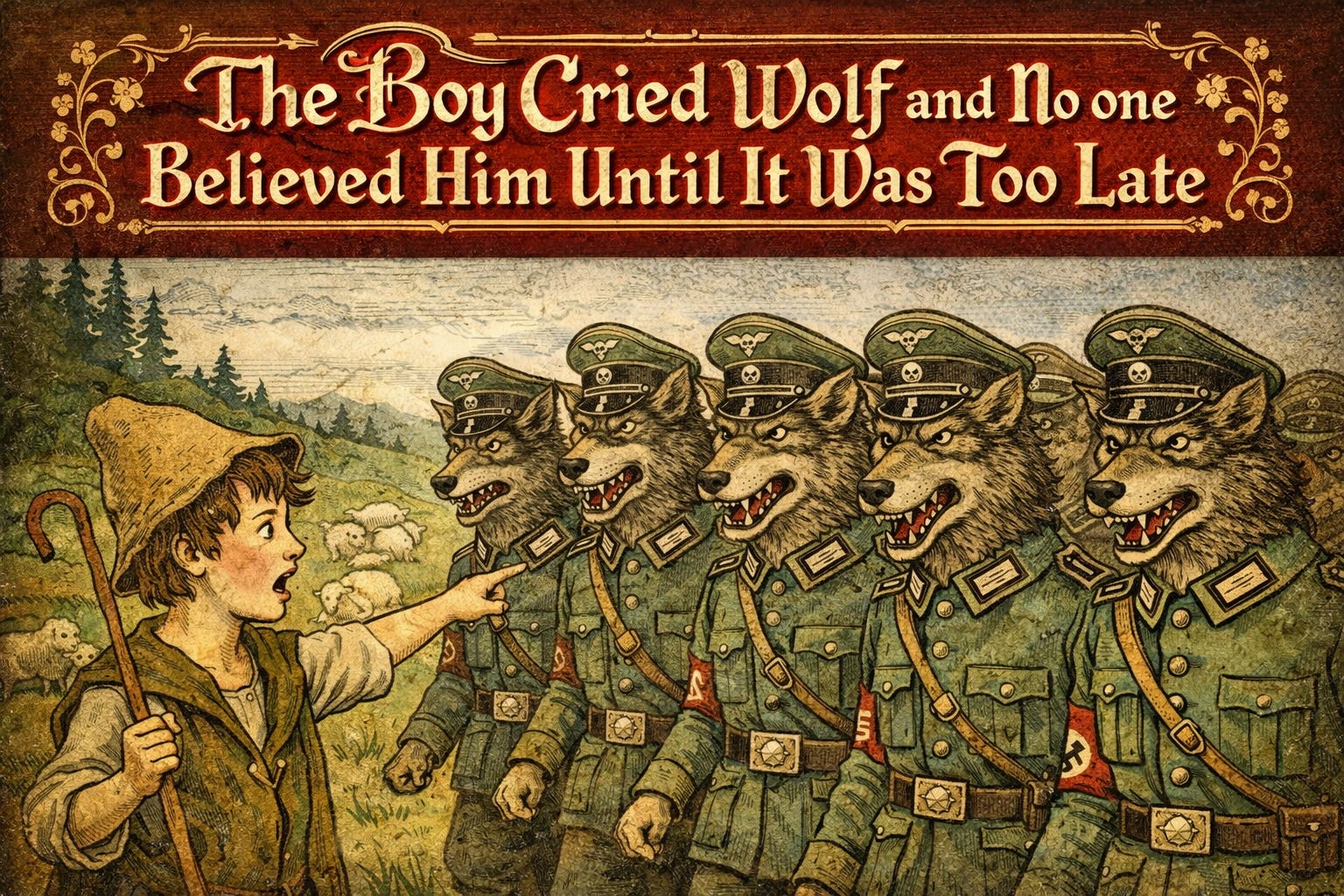
The Parable of the Shepherd and the Flock: A Cautionary Tale for Our Times
Imagine a small village nestled in the rolling hills, where the rhythms of life were dictated by the gentle bleating of sheep and the watchful gaze of their shepherd. This was a tale as old as time, one that had been passed down through generations, a story that held within it the wisdom of the ages.
The Shepherd's Cry for Help
One day, as the sun dipped low on the horizon, the shepherd's cries pierced the tranquil air. "Wolf! Wolf!" he shouted, his voice laced with panic. The villagers, hearing the alarm, rushed to his aid, their weapons at the ready. But when they reached the pasture, they found no trace of a wolf, only the shepherd, his face etched with embarrassment.
Undeterred, the shepherd continued his desperate pleas, day after day, as the villagers grew increasingly skeptical. "Surely, he is just playing a cruel game," they muttered, shaking their heads as they returned to their daily tasks. The shepherd's cries fell on deaf ears, for the villagers had learned the hard way not to believe the boy who cried wolf.
The Arrival of the True Threat
Then, one fateful day, the unthinkable happened. As the shepherd tended to his flock, a pack of ravenous wolves emerged from the shadows, their eyes gleaming with hunger. "Wolf! Wolf!" the shepherd cried, his voice desperate and urgent. But this time, the villagers remained unmoved, their trust in the shepherd's warnings long since shattered.
The wolves descended upon the helpless sheep, tearing them apart with savage efficiency. The shepherd watched in horror, powerless to stop the carnage. As the last of his flock succumbed to the predators, he realized the true cost of his previous deception.
The Lesson for Our Times
This parable, with its timeless lessons, holds a mirror to the challenges we face in our modern world. Just as the villagers learned the hard way not to believe the shepherd's cries, so too have we grappled with the consequences of our own disbelief.
The Economic Collapse
Consider the economic collapse of 2008, a crisis that had been brewing for years, with warning signs that were all too easy to ignore. Like the shepherd's cries, the warnings of financial experts were dismissed, their concerns written off as the ravings of alarmists. And when the crisis finally hit, the impact was devastating, leaving countless individuals and families struggling to rebuild their lives.
The Rise of Extremism
Similarly, the rise of extremist ideologies in recent years has been a simmering threat, one that has been all too easy to dismiss or downplay. Just as the villagers failed to heed the shepherd's warnings, we have been slow to recognize the growing influence of these dangerous movements, until they have gained a foothold in our communities.
The Pandemic Preparedness
And now, as we grapple with the ongoing COVID-19 pandemic, we are once again confronted with the consequences of our own disbelief. For years, public health experts had warned of the possibility of a global health crisis, yet their pleas for better preparedness were met with indifference or skepticism. When the pandemic struck, we found ourselves woefully unprepared, scrambling to respond to a threat that had been hiding in plain sight.
The Lesson Learned
The parable of the shepherd and the flock serves as a powerful reminder that we must never become complacent in the face of threats, no matter how unlikely they may seem. Just as the villagers learned the hard way, we too must be vigilant and open to heeding the warnings of those who have the foresight to see the dangers that lie ahead.
By embracing this lesson, we can be better equipped to navigate the complexities of our modern world, to recognize the warning signs, and to take decisive action before it's too late. For the cost of our disbelief is far too high, as the shepherd and his flock have so tragically demonstrated.
"The truth doesn't hide. It waits for those brave enough to look."
The Wise Wolf