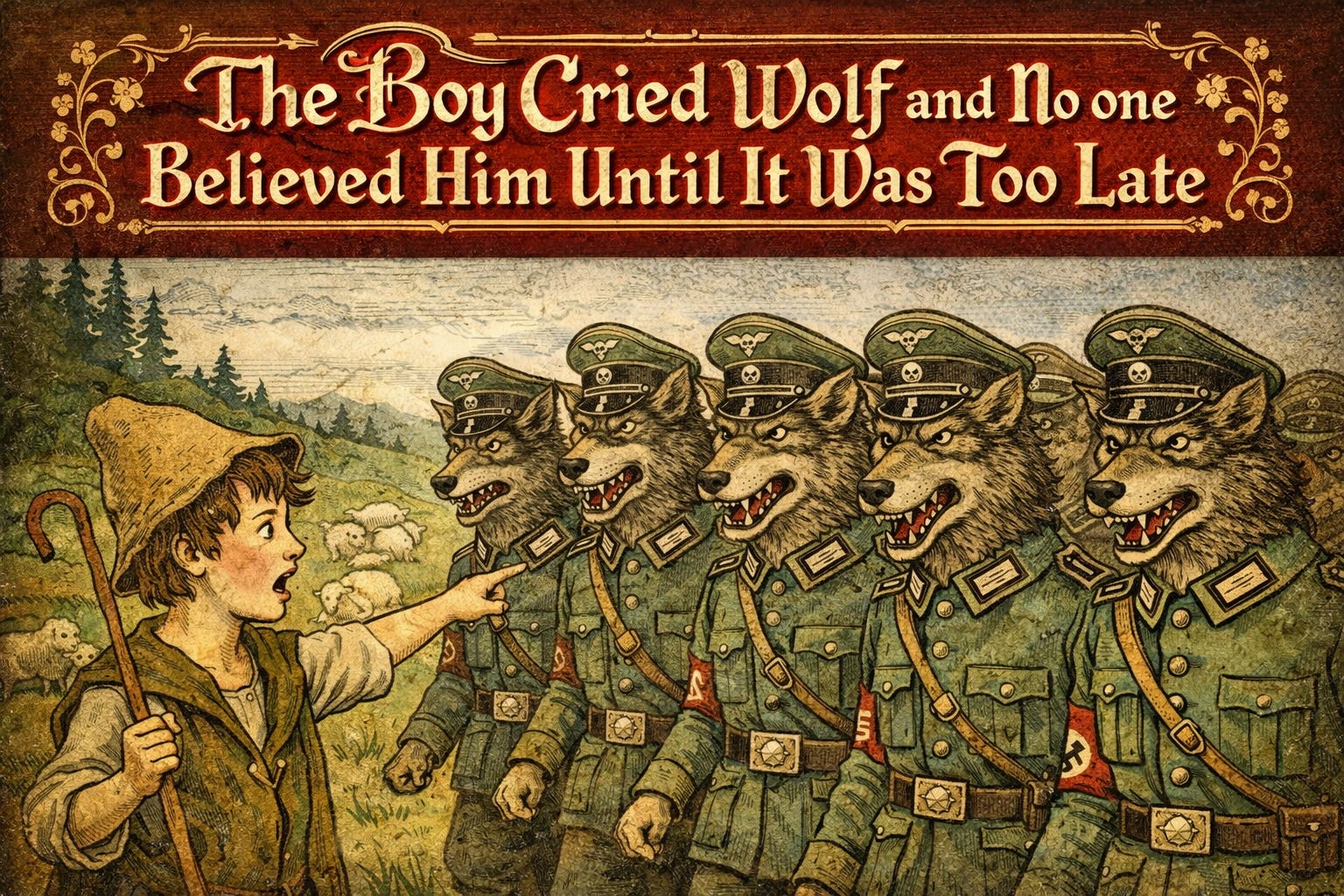
In the age-old tale of the shepherd boy who cried wolf, we find a poignant metaphor for the perils of deceit and the consequences of losing credibility. Yet, as we examine this parable through a modern lens, we uncover deeper lessons that transcend the confines of a simple fable, revealing insights into the fragility of trust, the nature of human psychology, and the delicate balance between truth and falsehood in our rapidly changing world.
The Dangers of Desensitization
At the heart of the shepherd's story lies a cautionary tale about the corrosive effects of repeated deception. When the boy first raises the alarm, the villagers dutifully respond, ready to defend their community against the perceived threat. But as the false alarms continue, their sense of urgency and their willingness to believe the boy's cries gradually erode. Over time, they become desensitized to the warning, dismissing it as yet another ploy for attention.
This gradual erosion of trust is not limited to the realm of children's tales; it is a phenomenon that manifests in our own lives and societies. In a world where information is readily available, yet often tainted by bias, exaggeration, or outright falsehood, we find ourselves increasingly skeptical of even the most pressing warnings. From economic predictions to public health advisories, our ability to discern truth from fiction has been severely tested, leaving us vulnerable to the very threats we should be heeding.
Consequences of Ignoring the Wolves
The tragic conclusion of the shepherd's story serves as a chilling reminder of the consequences that can arise when we choose to ignore the cries of those we should trust. When the real wolf finally arrives, the villagers, having dismissed the boy's previous warnings, are caught off guard and unable to respond. The result is a devastating loss, both of the flock and, potentially, of the boy himself.
In our modern context, the wolves that threaten us come in many forms – from economic instability and environmental crises to political polarization and the spread of misinformation. Yet, just as the villagers in the parable, we often find ourselves paralyzed by our own disbelief, unwilling to acknowledge the gravity of the situation until it is too late.
The Delicate Balance of Trust
The lesson of the shepherd boy and the wolves is not merely about the perils of deception; it also speaks to the fragile nature of trust and the vital role it plays in our ability to navigate the challenges of our time. When trust is eroded, we lose the foundation upon which we build our collective resilience, our ability to work together, and our willingness to heed the warnings of those we deem credible.
Restoring that trust requires a multifaceted approach, one that emphasizes the importance of honesty, transparency, and accountability. It demands that we cultivate a culture of critical thinking, where we are willing to question, verify, and seek out the truth, even when it may be uncomfortable or inconvenient.
The Shepherd's Dilemma and Our Own
As we reflect on the shepherd's dilemma, we are forced to confront our own role in perpetuating the cycle of disbelief. Are we, like the villagers, too quick to dismiss the warnings of those we have come to distrust? Or do we possess the courage to listen, to investigate, and to act when the wolves of our time begin to gather at the gate?
The choice is ours, and the consequences of our actions – or inactions – will reverberate far beyond the confines of a simple parable. By heeding the lessons of the shepherd and the wolves, we can begin to rebuild the bridges of trust, strengthen our collective resilience, and face the challenges of our age with the clarity and conviction that have eluded us for too long.
"The truth doesn't hide. It waits for those brave enough to look."
The Wise Wolf