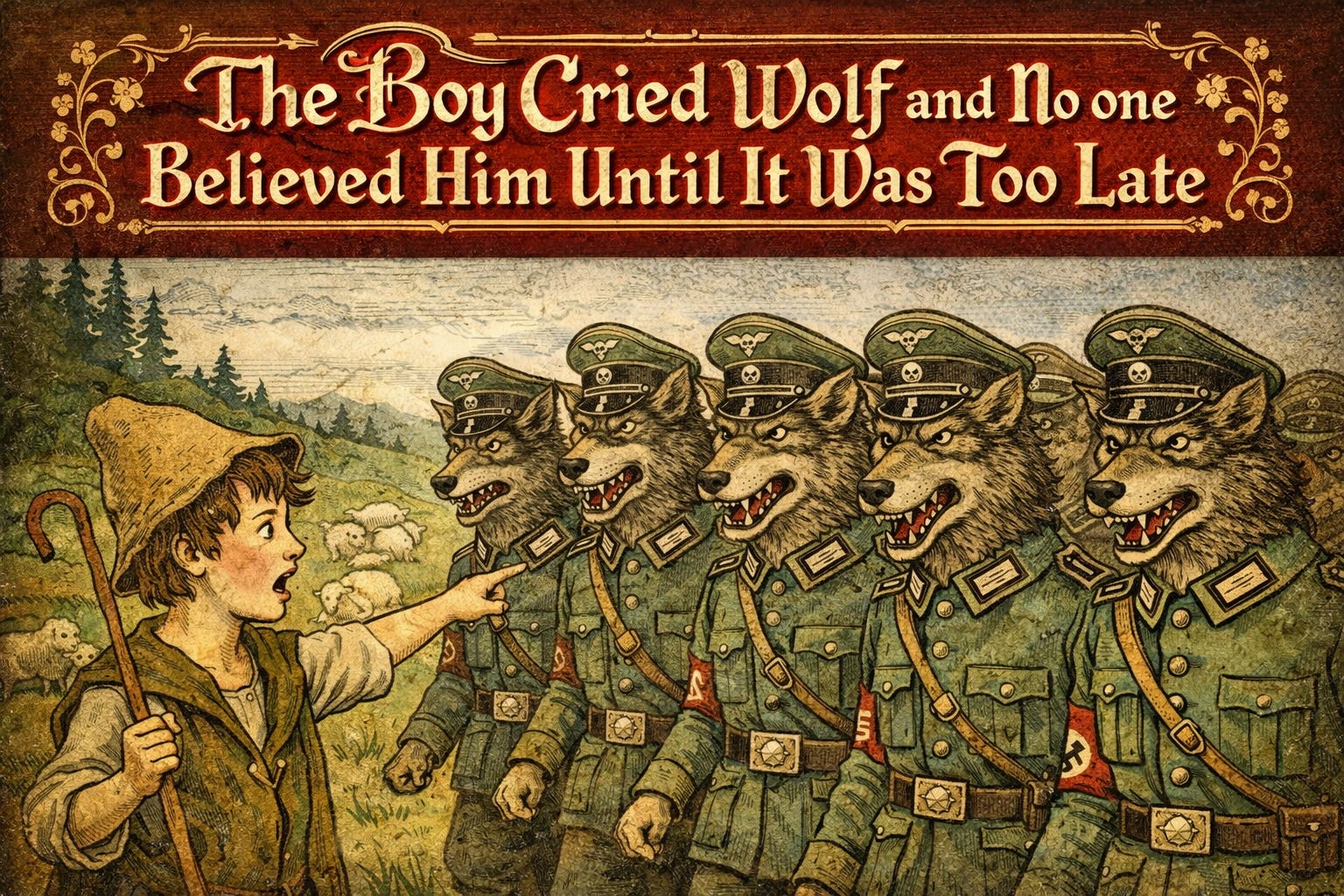
In the timeless tale of the boy who cried wolf, we find a cautionary parable that transcends the boundaries of a simple fable. This story, passed down through generations, holds a mirror to the human condition, revealing the consequences of our own actions and the fragility of trust.
The Shepherd's Dilemma: Boredom and Betrayal
As the sun rose over the rolling hills, the young shepherd, tasked with the solemn duty of guarding his flock, found himself succumbing to the monotony of his daily routine. Seeking respite from the endless hours of vigilance, he concocted a mischievous plan, one that would temporarily alleviate his boredom at the expense of the villagers' trust.
Time and again, the shepherd's cries of "Wolf! Wolf!" echoed across the land, summoning the concerned townspeople to his aid. Yet, each time they arrived, they found no trace of the feared predator, only a boy reveling in his own deception. Frustration and anger swept through the community, as the villagers grew weary of the shepherd's antics, their patience wearing thin.
The Consequences of Deceit: When the Wolf Arrives
Then, one fateful day, the unthinkable happened. A real wolf, drawn by the scent of the vulnerable flock, emerged from the shadows. The shepherd, in a moment of true peril, once again cried out, "Wolf! Wolf!" But this time, the villagers, having been fooled too many times, turned a deaf ear to his desperate pleas. The shepherd's lies had eroded their trust, and they refused to heed his warning.
As the wolf descended upon the helpless sheep, the shepherd watched in horror, powerless to save his flock. The villagers, too, bore witness to the tragic consequences of their own disbelief, their inaction leading to the destruction they had once been so quick to prevent.
The Lessons We Must Learn
This timeless tale holds a mirror to our own lives, challenging us to examine the choices we make and the impact they have on those around us. The shepherd's story serves as a poignant reminder of the fragility of trust and the importance of honesty, even in the face of boredom or temptation.
1. Beware the Lure of Deception: The shepherd's initial choice to deceive the villagers, driven by his own restlessness, set in motion a chain of events that ultimately led to disaster. We must be vigilant in resisting the temptation to betray the trust of others, even when it seems like a quick fix to our problems.
2. Rebuilding Trust: Once broken, trust is a precious commodity that is exceedingly difficult to regain. The shepherd's cries, even when genuine, fell on deaf ears because he had squandered the villagers' faith. Restoring trust requires a steadfast commitment to honesty and accountability, traits that can take time and effort to cultivate.
3. The Consequences of Inaction: The villagers, having been misled too many times, chose to ignore the shepherd's final warning. This decision, rooted in their own disbelief, allowed the wolf to wreak havoc on the flock. We must be mindful that our inaction can be just as damaging as our active choices, and that standing idly by can have devastating consequences.
The parable of the shepherd and the wolf serves as a timeless lesson in the importance of honesty, the fragility of trust, and the need to be ever-vigilant in the face of adversity. By heeding the wisdom of this tale, we can learn to navigate the complexities of our own lives with greater care and compassion, ensuring that our actions lead to the protection, rather than the destruction, of those we hold dear.
"The truth doesn't hide. It waits for those brave enough to look."
The Wise Wolf