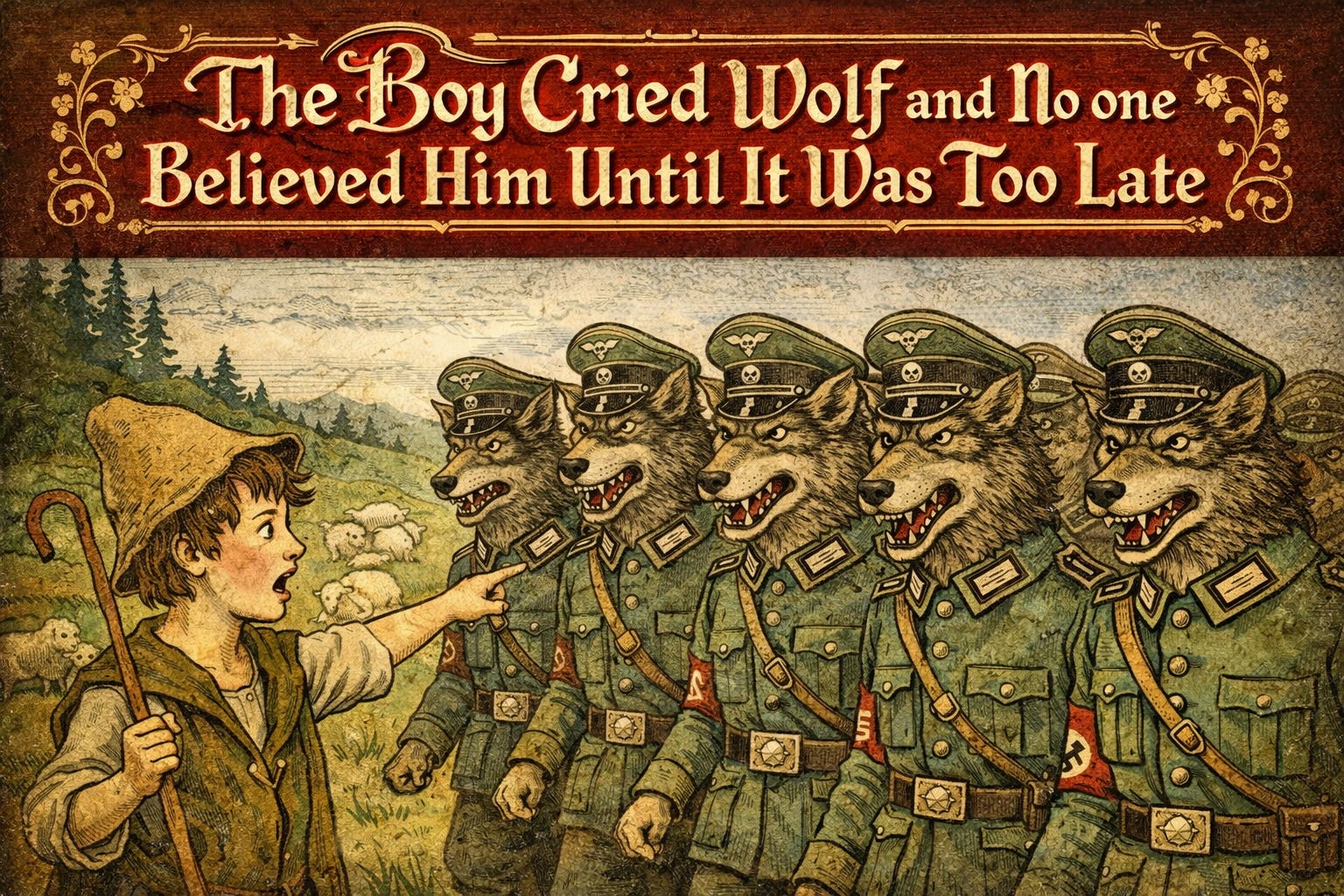
In the timeless tale of the boy who cried wolf, we are presented with a cautionary tale that holds profound implications for our modern world. This classic fable, with its simple yet powerful narrative, serves as a stark reminder of the consequences that can arise when our trust is repeatedly betrayed.
The story follows a young shepherd who, out of boredom or perhaps a misguided sense of mischief, decides to deceive his fellow villagers by raising a false alarm about a wolf threatening his flock. When the villagers respond to his cries, only to find no wolf in sight, they quickly become disillusioned with the boy's antics. Undeterred, the boy continues his deception, until one fateful day when a real wolf appears, and his cries for help are met with indifference.
## The Erosion of Trust
The core lesson of this tale lies in the gradual erosion of trust that occurs when we are confronted with repeated falsehoods. As the boy's lies mount, the villagers become increasingly skeptical and unwilling to take his warnings seriously. This dynamic is not confined to the realm of fairytales; it is a pattern that can be observed in various spheres of our lives, from personal relationships to the broader social and political landscape.
## The Consequences of Disbelief
When trust is lost, the consequences can be dire. In the case of the boy and the wolf, the ultimate price is paid – the boy's flock is ravaged, and he may even lose his own life. This tragic outcome serves as a potent metaphor for the dangers of disbelief, where the failure to heed genuine warnings can lead to devastating consequences.
## The Importance of Credibility
The story of the boy who cried wolf underscores the vital importance of maintaining credibility. In a world where information and misinformation can spread rapidly, the ability to discern truth from falsehood becomes increasingly crucial. Leaders, pundits, and everyday citizens alike must strive to cultivate a reputation for honesty and reliability, lest they risk being dismissed when a genuine crisis arises.
## Rebuilding Trust in a Skeptical World
In the aftermath of the boy's deception, the task of rebuilding trust becomes a formidable challenge. The villagers, once bitten by the sting of betrayal, may be hesitant to lend their ears to any future warnings, no matter how genuine they may be. This dynamic is not unique to the fable; it is a pattern that can be observed in various facets of our modern society, where the erosion of trust in institutions, media, and even personal relationships has become a pressing concern.
Overcoming this crisis of trust requires a multifaceted approach. It involves fostering transparency, accountability, and a genuine commitment to truth-telling. Leaders and institutions must work tirelessly to regain the confidence of their constituents, while individuals must strive to cultivate an ethic of honesty and integrity in their daily lives.
The tale of the boy who cried wolf serves as a powerful reminder that the consequences of disbelief can be far-reaching and devastating. As we navigate the complexities of our contemporary world, it is crucial that we heed the lessons of this timeless fable – to be vigilant in our discernment, to build and maintain credibility, and to never take the fragile bonds of trust for granted.
"The truth doesn't hide. It waits for those brave enough to look."
The Wise Wolf