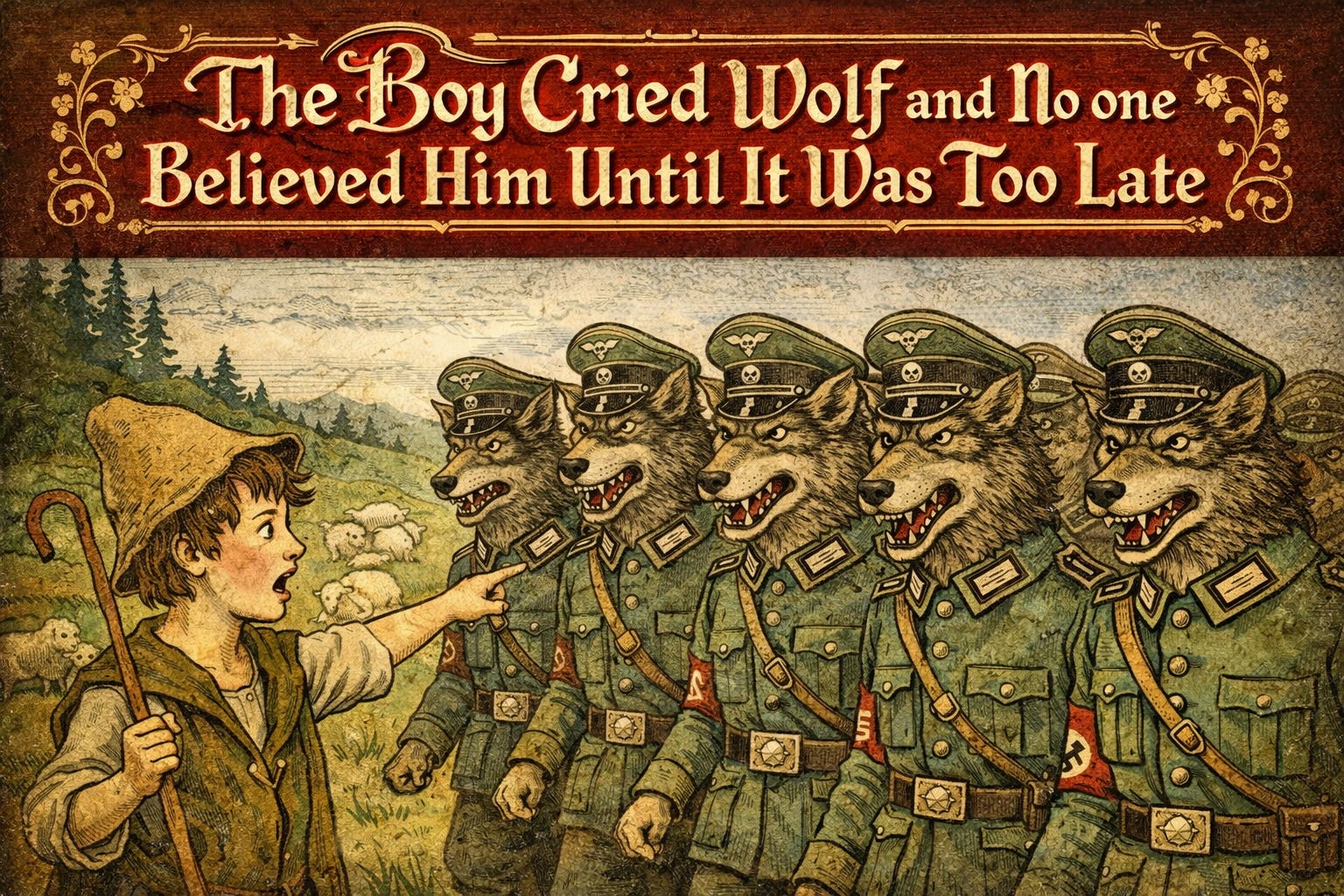
In the age of information overload, it's easy to become desensitized to warnings and alarm bells. Like the boy who cried wolf, we're often quick to dismiss genuine cries for help, convinced they're just another false alarm. But what happens when the real threat emerges, and no one is listening?
## The Cry of the Cautionary Tale
The story of the boy who cried wolf is a cautionary tale, a timeless lesson on the consequences of incessant deception. When the boy's initial warnings of a wolf's presence were met with indifference, it wasn't just the sheep that were in peril – it was the boy himself. By the time the real threat arrived, the villagers had grown too jaded to heed his pleas, and the boy met a grim fate.
This story serves as a stark reminder that our words hold power, and that power can be both a blessing and a curse. When we abuse the trust of those around us, we risk being left alone to face the wolves, with no one to come to our aid.
## Wolves in Disguise: The Perils of Disbelief
But the lessons of the boy who cried wolf extend far beyond the pastoral setting of the original tale. In our modern, complex world, the "wolves" we face can take many forms – from economic collapse to political upheaval, from environmental disasters to social unrest.
Time and again, we've seen individuals and institutions raise the alarm, only to be dismissed as alarmists or scaremongers. The warnings about the subprime mortgage crisis, the impending effects of climate change, and the rise of authoritarian regimes have all been met with skepticism and denial, often for political or financial gain.
When these warnings go unheeded, the consequences can be catastrophic. The 2008 financial crisis plunged the global economy into turmoil, wiping out trillions of dollars in wealth and leaving millions unemployed. The ongoing climate crisis threatens to disrupt ecosystems, displace populations, and jeopardize the very future of our planet.
## Heeding the Cry: The Power of Collective Action
But the story of the boy who cried wolf need not end in tragedy. By learning from the past, we can work to create a future where warnings are taken seriously, and collective action is the norm.
It starts with fostering a culture of trust and accountability. We must be willing to listen to those who sound the alarm, even if their message is uncomfortable or inconvenient. We must hold our leaders and institutions accountable for their actions, and demand transparency and honesty.
At the same time, we must be vigilant in our own right, keeping a watchful eye on the world around us and speaking up when we see signs of trouble. By cultivating a sense of collective responsibility, we can ensure that the cries for help are heard, and that the "wolves" are met with a united, determined response.
In the end, the story of the boy who cried wolf is not just a cautionary tale – it's a call to action. It's a reminder that we all have a role to play in shaping the future, and that by heeding the warnings and working together, we can overcome even the most formidable challenges.
"The truth doesn't hide. It waits for those brave enough to look."
The Wise Wolf