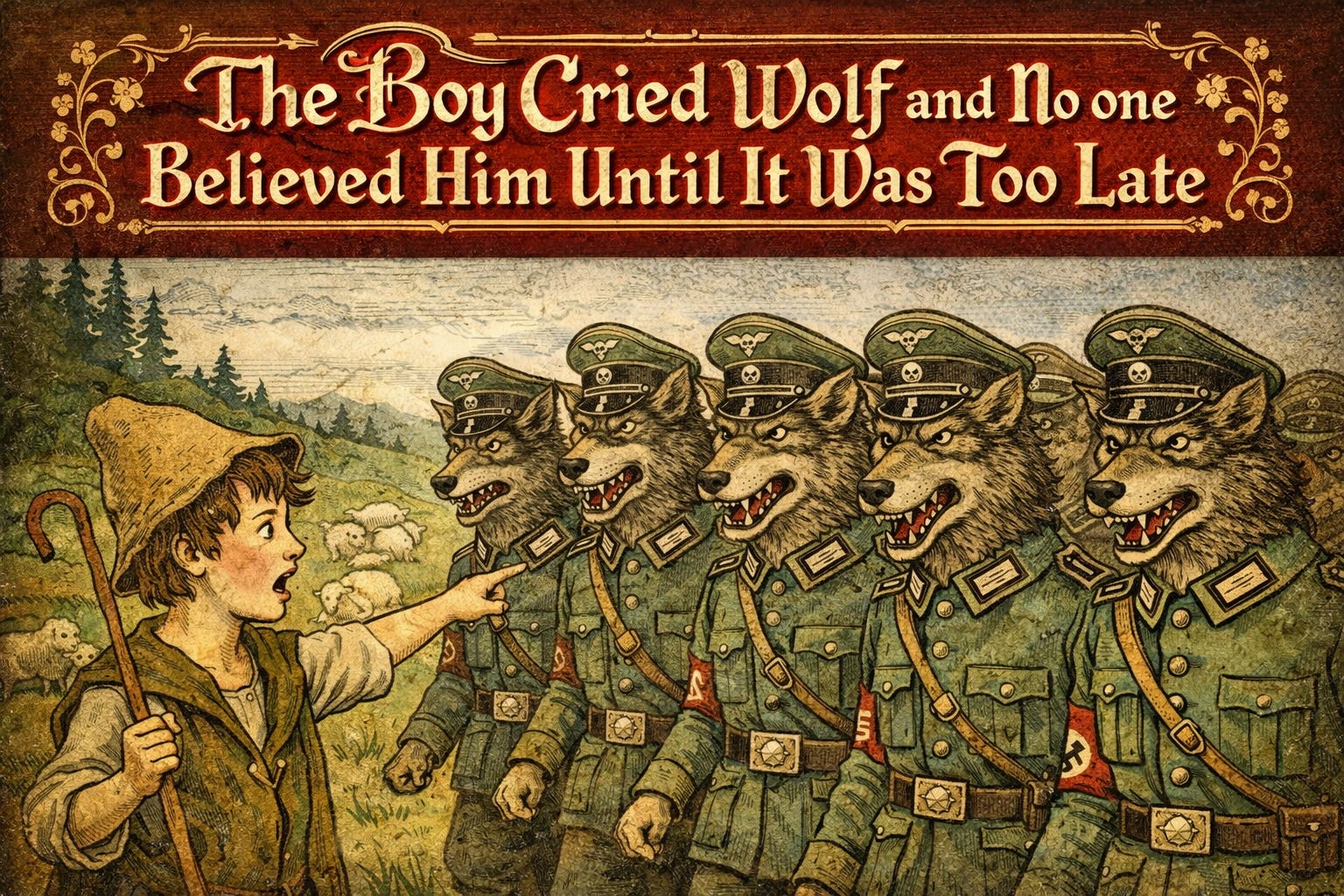
In the age-old tale of the boy who cried wolf, we find a poignant lesson about the consequences of dismissing warning signs. This story, though seemingly simple, holds a deeper truth that resonates in our complex modern world. From the downfall of empires to the financial crises that shake the global economy, the echoes of the boy's cries can be heard, urging us to heed the warnings before it's too late.
Subheading 1: The Dangers of Desensitization
In the classic fable, the shepherd boy's repeated false alarms eventually lead the villagers to become desensitized to his cries. When a real wolf finally arrives, his pleas for help fall on deaf ears. This pattern of desensitization is a common thread that runs through many of the catastrophic events that have shaped our history.
Take, for instance, the collapse of the Roman Empire. For years, scholars and historians had warned of the empire's growing vulnerabilities, from political instability to economic decline. Yet, the ruling class continued to ignore these warning signs, content in their belief that the mighty Roman civilization was invincible. By the time they realized the gravity of the situation, it was too late, and the empire crumbled under the weight of its own hubris.
Similarly, the recent global financial crisis of 2008 was preceded by a series of warning signs that many chose to overlook. Economists and financial experts had sounded the alarm about the unsustainable housing bubble and the risky practices of the banking industry, but their voices were drowned out by the siren call of easy money and short-term profits. When the bubble finally burst, the consequences were devastating, with millions of people losing their homes, jobs, and life savings.
Subheading 2: The Importance of Heeding Early Warnings
The lesson of the boy who cried wolf is clear: we must learn to take heed of early warnings, even if they seem to lack immediate credibility. In a world where complex systems and interconnected global economies can collapse with startling speed, ignoring the signs of impending crisis can have catastrophic consequences.
History is replete with examples of individuals and organizations that recognized the warning signs and took action to mitigate the damage. In the 1930s, a small group of economists and financial analysts, led by figures like John Maynard Keynes, warned of the impending Great Depression. While their warnings were initially dismissed, their insights ultimately helped shape the policies and interventions that helped pull the world out of that economic abyss.
More recently, in the realm of environmental protection, scientists have been sounding the alarm about the impending climate crisis for decades. While their warnings have often been met with skepticism and political resistance, the growing urgency of their message has slowly but surely led to a global awakening and a renewed commitment to sustainable practices.
Subheading 3: Cultivating a Culture of Vigilance
The lesson of the boy who cried wolf is not one of blind trust or unquestioning acceptance of every warning. Rather, it is a call to cultivate a culture of vigilance, where we carefully evaluate the available evidence and respond accordingly.
This requires a delicate balance between maintaining a critical eye and being open to valid concerns. It means not dismissing warnings simply because they have been raised before, but rather investigating the substance and context behind them. It also means being willing to take action, even in the face of uncertainty, when the potential consequences of inaction are too great to ignore.
By fostering this culture of vigilance, we can create a society that is better equipped to navigate the complex challenges of the modern world. Whether it's anticipating and mitigating economic crises, addressing environmental threats, or confronting emerging geopolitical risks, the ability to recognize and respond to early warning signs can make the difference between a disastrous outcome and a resilient, adaptive society.
The tale of the boy who cried wolf serves as a poignant reminder that the cost of ignoring warnings can be catastrophic. As we navigate the uncertainties of the 21st century, let us heed the lessons of the past and remain vigilant, ever-ready to confront the wolves that lurk in the shadows of our complex world.
"The truth doesn't hide. It waits for those brave enough to look."
The Wise Wolf