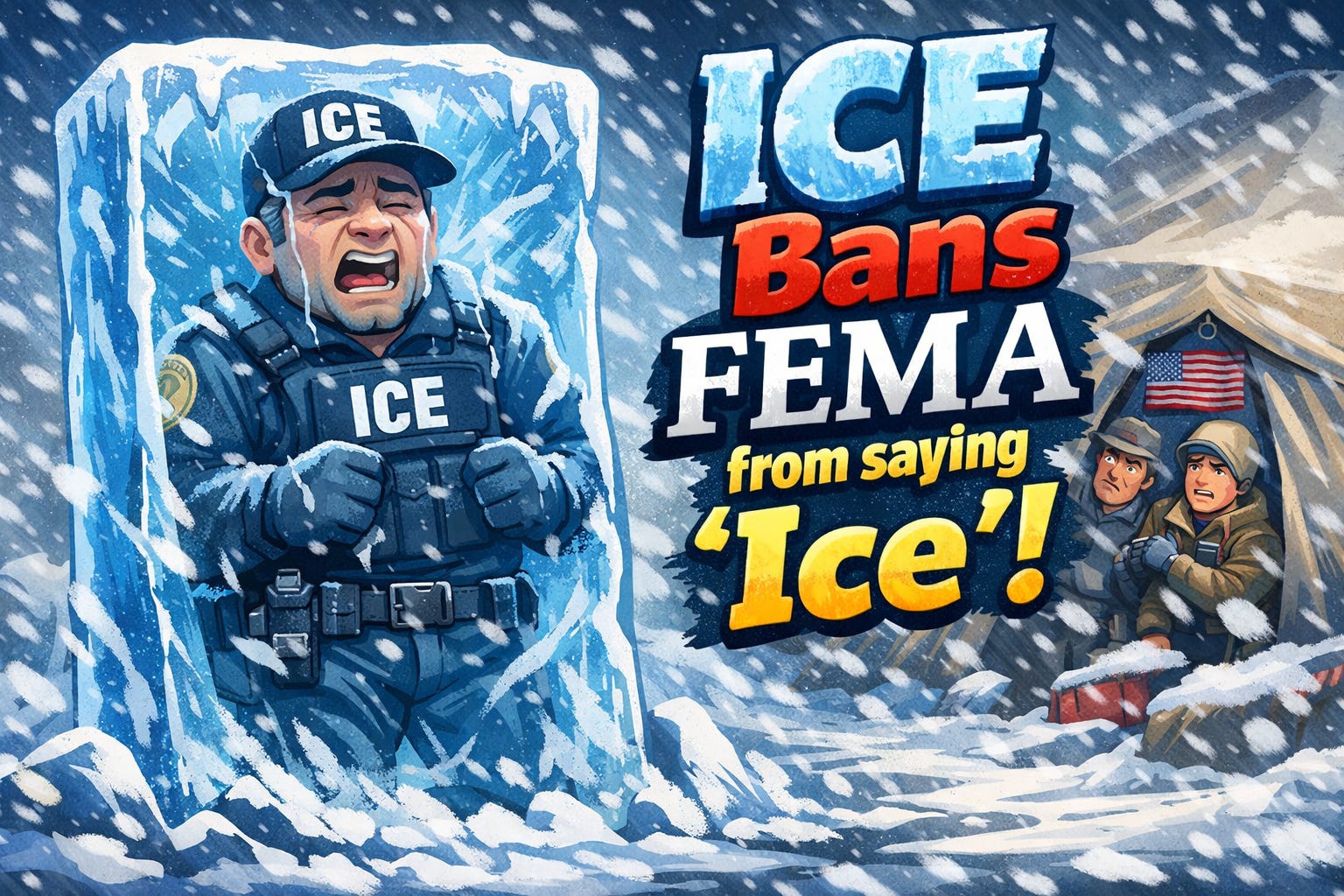
In an era where political discourse has descended into a cacophony of divisive rhetoric, it becomes increasingly crucial to step back and examine the underlying currents that shape our societal narratives. The source article's vivid depiction of a political landscape akin to "a bad sitcom" serves as a sobering reminder of the delicate balance between healthy civic discourse and the corrosive effects of partisan bickering.
Subheading 1: The Erosion of Trust and Civility As the author laments the sense of "civilizational collapse" permeating the news cycle, it becomes evident that the erosion of trust and civility is a pressing concern. When political debates devolve into acrimonious exchanges, the public's faith in the democratic process is undermined, and the very foundations of a functioning society are threatened. This erosion of trust can have far-reaching consequences, from the breakdown of institutional credibility to the deepening of societal divides.
Subheading 2: The Dangers of Politicized Rhetoric The source article's references to the Epstein case and the author's emotional response to the revelations highlight the potent influence of politicized rhetoric. In an age where information (or misinformation) can spread like wildfire, the ability to manipulate public sentiment through carefully crafted narratives poses a significant risk. When complex issues are reduced to partisan sound bites, nuance and critical thinking are often sacrificed in favor of emotional appeals and ideological posturing.
Subheading 3: Navigating the Path Ahead As the political landscape continues to shift, it becomes imperative to seek out alternative perspectives and challenge our own biases. Cultivating empathy, embracing intellectual humility, and engaging in constructive dialogue can help bridge the divide and foster a more inclusive, resilient society. While the temptation to retreat into echo chambers or succumb to the allure of political tribalism is ever-present, the true test of our collective wisdom lies in our willingness to step outside our comfort zones and engage in meaningful, solution-oriented discourse.
The source article's underlying message, though cloaked in a sardonic tone, serves as a clarion call for a renewed commitment to civic engagement and a rejection of the polarizing narratives that have come to dominate the public sphere. By acknowledging the challenges we face and embracing a spirit of collaboration and mutual understanding, we can chart a path forward that prioritizes the common good over partisan agendas.
"The truth doesn't hide. It waits for those brave enough to look."
The Wise Wolf