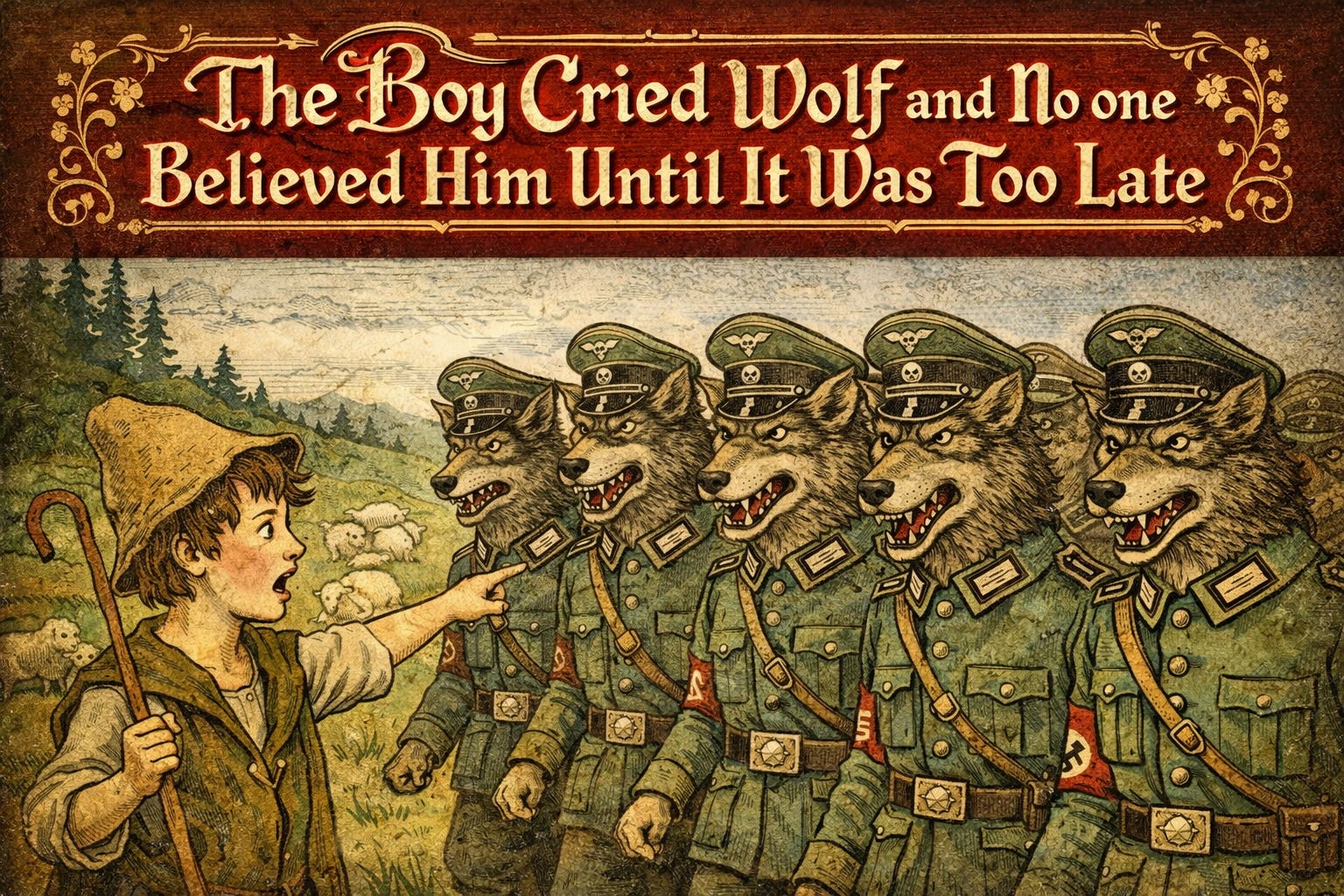
In a world where trust is a fragile commodity, the story of the boy who cried wolf serves as a poignant cautionary tale. This timeless fable holds a mirror to the challenges we face in maintaining credibility, both on a personal and societal level. As we navigate the complexities of modern life, the lessons of the shepherd boy offer valuable insights into the delicate balance between authenticity and perception.
Crying Wolf in a Skeptical Age The original tale of the shepherd boy's deception resonates with us because it taps into a universal human experience – the desire to seek attention and the temptation to abuse the trust of others. In an age where information is readily available and skepticism is the default, the boy's actions reflect a deeper truth about the fragility of our belief systems.
As we witness the rise of misinformation, "fake news," and the erosion of public trust in institutions, the shepherd boy's story takes on new relevance. Just as the villagers in the fable grew weary of the boy's false alarms, we too find ourselves increasingly skeptical of the claims and warnings presented to us. The boy's actions, once seen as mere mischief, now mirror the larger societal challenge of maintaining credibility in an age of information overload.
The Wolf at the Door: Economic Collapse and the Consequences of Disbelief The arrival of the real wolf in the classic tale serves as a metaphor for the very real threats and challenges that we face in the modern world. In an era marked by economic uncertainty, the specter of financial collapse looms large. Yet, like the villagers who refused to heed the shepherd boy's cries, many individuals and governments have been slow to recognize the warning signs of impending economic turmoil.
The consequences of this collective disbelief can be catastrophic. When the real wolf of economic crisis arrives, those who have been conditioned to dismiss the warnings may find themselves unprepared and vulnerable. The lessons of the shepherd boy's tale remind us that ignoring genuine threats, no matter how unlikely they may seem, can have devastating consequences.
Restoring Trust in a Distrustful World As we grapple with the complexities of the modern world, the story of the boy who cried wolf offers a powerful lesson in the importance of credibility and trust. In a landscape where information is abundant but trust is scarce, the ability to discern truth from fiction becomes increasingly crucial.
For individuals, the challenge lies in cultivating a reputation for honesty and reliability. By consistently demonstrating trustworthiness, we can avoid the fate of the shepherd boy, ensuring that our warnings and insights are heard and heeded when they truly matter. Similarly, for institutions and public figures, the path to restoring trust involves a commitment to transparency, accountability, and a genuine dedication to serving the common good.
Ultimately, the tale of the boy who cried wolf is not just a story about the consequences of deception, but a reminder of the fragility of the social fabric that binds us together. As we navigate the complexities of the modern world, it is incumbent upon us to heed the lessons of the past and strive to build a society where trust is not a scarce commodity, but a foundation upon which we can build a more resilient and prosperous future.
"The truth doesn't hide. It waits for those brave enough to look."
The Wise Wolf